
Transform4Europe Diversity and Inclusion Strategy

Committed to a diverse, inclusive, and equitable European university

About

Transform4Europe (T4EU) has adopted the Diversity and Inclusion Strategy for the period 2024–2027 as a core part of its vision to build an integrated European university grounded in shared values. This strategy aims to ensure that mobility, interdisciplinarity, and inclusion are standard across all campuses within the Alliance, fostering an academic environment that is fair and accessible to all.

Three Key Action Areas

The strategy is structured around three main pillars that comprehensively address the different dimensions of equality and inclusion:

  • 1. Non-Discrimination: Create an academic environment free from any form of discrimination, where differences are respected and equal opportunities are guaranteed. This includes promoting anti-discrimination protocols, thematic events, curricular inclusion, and cooperation with local organizations.
  • 2. Gender Equality: Integrate gender equity across all levels of the partnership, from research and teaching to decision-making processes. Measures include balanced representation at events, incentives for inclusive research projects, and annual progress monitoring.
  • 3. Inclusion of People with Disabilities: Ensure full access to university life by removing physical and digital barriers and promoting active participation of students with disabilities. Actions include accessibility standards for events, peer support programs, staff training, and adapted academic offerings.

Concrete Measures

Highlighted actions include:

  • Biannual diversity-themed events during T4EU Weeks.
  • Cross-disciplinary training modules on inclusion.
  • Thematic communications on key dates such as Pride Day and International Women’s Day.
  • Inclusive project incentives in research calls.
  • Peer-to-peer support and volunteer programs for students.


Monitoring and Continuous Improvement

 The strategy includes a robust monitoring process with annual reports from each university and a joint report to assess overall progress. The aim is to cultivate a university community that is increasingly inclusive, aware, and cohesive.

Access the full document: The Transform4Europe Diversity and Inclusion Strategy is publicly available in the T4EU repository. You can access the full document here: T4EU Diversity Strategy (PDF file, 186 KB)

Diversity Activities

We promote inclusion, diversity, and well-being to foster a sustainable and welcoming campus environment for both students and staff. This commitment is grounded in a long-term strategy supported by a range of actions—both low- and high-effort—that contribute to meaningful change. These include developing a shared green identity, strengthening diversity and inclusiveness across all partner institutions, and enhancing the overall campus experience and study/work conditions for the entire T4EU community.

The First Diversity & Inclusion Event ‘Bridging Communities: Dialogue and Action for Inclusive Future’ was organised by the University of Primorska and the University of Alicante (task leader) at a joint T4EU Week by the University of Primorska and the University of Trieste; the event successfully tested the concept of preparing guidelines and manuals for a successful organisation, and the university itself found a topic relevant to the environment. The event managed to bring together academia and external stakeholders, attracting many T4EU participants.

The event was opened by a keynote speech by Prof. Dr. Vlado Kotnik, UP FHŠ, followed by a roundtable entitled ‘Voices of Inclusion: Navigating Community, Identity, and Challenges in a Diverse Europe’, moderated by UP FHŠ professors: Assist. Prof. Dr. Tadej Praprotnik; Assoc. Prof. Dr. Alenka Janko Spreizer. The list of panellists included scientists and representatives of different organizations working in the field and presenting different themes:

  • Borut Jerman (‘Empowering Diversity: Local Projects’, Programmes and Initiatives for Inclusive Communities, PINA),
  • Maja Vranješ (‘Integration of the Serbian community into the urban fabric of the city of Trieste’, Uni TS),
  • Zaira Vidau (‘Current sociopolitical challenges of the Slovene Community in Italy’, The Slovene Research Institute (SLORI)),
  • Sandi Horvat (‘Being Roma: an advantage or a hindrance?’, Roma Academic Club),
  • Dr. Marko Gavriloski Tretjak (‘Mapping the Silence: Exploring challenges and barriers for LGBT+ youth in an educational context Faculty of Pedagogy’, UP PEF),

The event was followed by a survey, showing that participants were particularly satisfied with the format and content of the event. All survey suggestions were carefully reviewed and implemented in a meaningful way in future events.
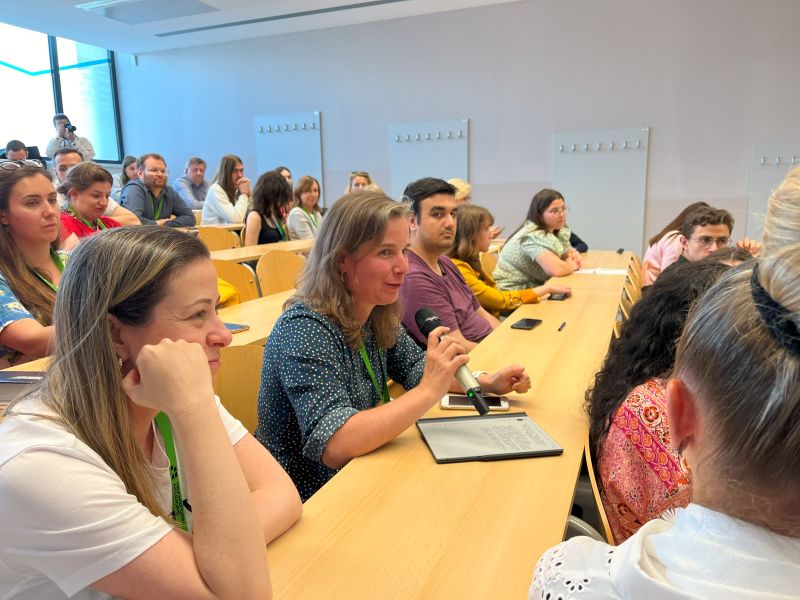
A woman in a classroom holds a microphone and speaks while others sit and listen attentively at long desks. The room is filled with people, some taking notes and others watching her.

Photo by Transform4Europe

The Second Diversity & Inclusion Event ‘Accessible University’ was held during the T4EU Week at the University of Silesia, aimed at introducing participants to the essence of the right of access to human rights for people with disabilities. The right to education is one of the fundamental human rights. Through contact with people with disabilities, we were able to understand the barriers they face and the solutions that enable them to equally participate in various aspects of education. We also discussed what we can do to make events at T4EU accessible to people with mobility and communication disabilities.

The event was followed by an online questionnaire (Google forms) that was distributed among all attendees at the end of the event via a QR code. The feedback questionnaire was prepared in order to better understand the level of satisfaction of the attendees concerning the Second Diversity and Inclusion Event.
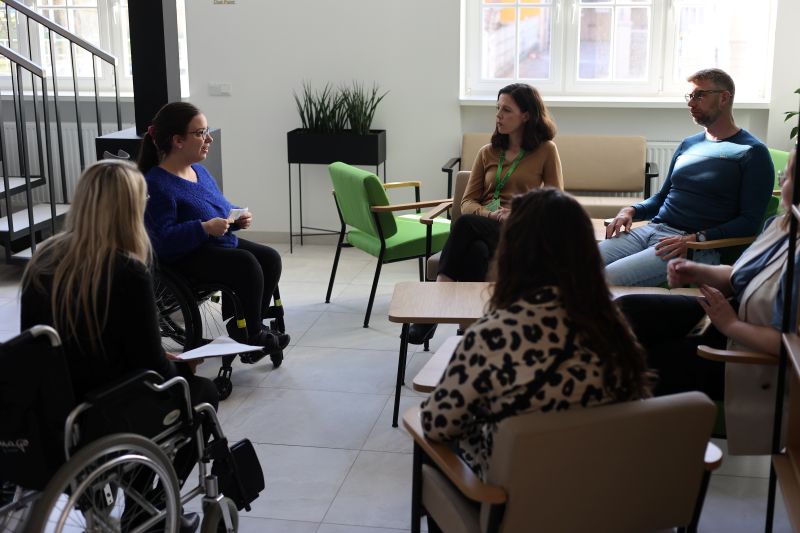
Five people, including two in wheelchairs, sit in a circle in a bright room having a discussion. Sunlight streams through large windows. The atmosphere appears collaborative and inclusive.

Photo by Przemysław Kowal

The Third Diversity & Inclusion Event “Inclusive Mobility: Breaking Barriers in International Education” was hosted by Jean Monnet University during the T4EU Week and explored, in a very practical way, the main obstacles that students, academic staff, and administrative staff encounter when participating in international mobility. The session brought together inclusion specialists from several T4EU universities and centred on five real cases illustrating challenges related to disability, financial vulnerability, visual impairment, sexual harassment during mobility, and parenthood in doctoral studies.

One of the most distinctive aspects of this event was the active involvement of students, who served as moderators during the group work sessions. Their role enriched the discussions and helped create a dynamic environment where participants could reflect on each case and propose realistic solutions to strengthen inclusive mobility across the alliance.

The feedback highlighted the value of the collaborative format and the relevance of the scenarios. Participants appreciated the chance to work hands-on with authentic situations and recognised the event as a meaningful step towards building more accessible and supportive mobility pathways within Transform4Europe. Suggestions for future editions included extending the group-work time and focusing on fewer topics to explore them more deeply.
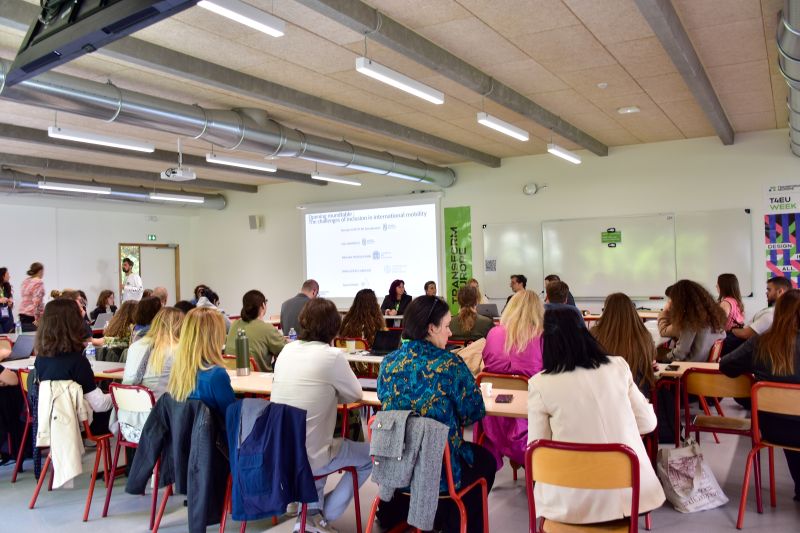
A group of people sit at tables in a classroom, facing a panel of speakers and a projected presentation. The room is brightly lit with modern decor and exposed ceiling pipes.

Photo by Transform4Europe

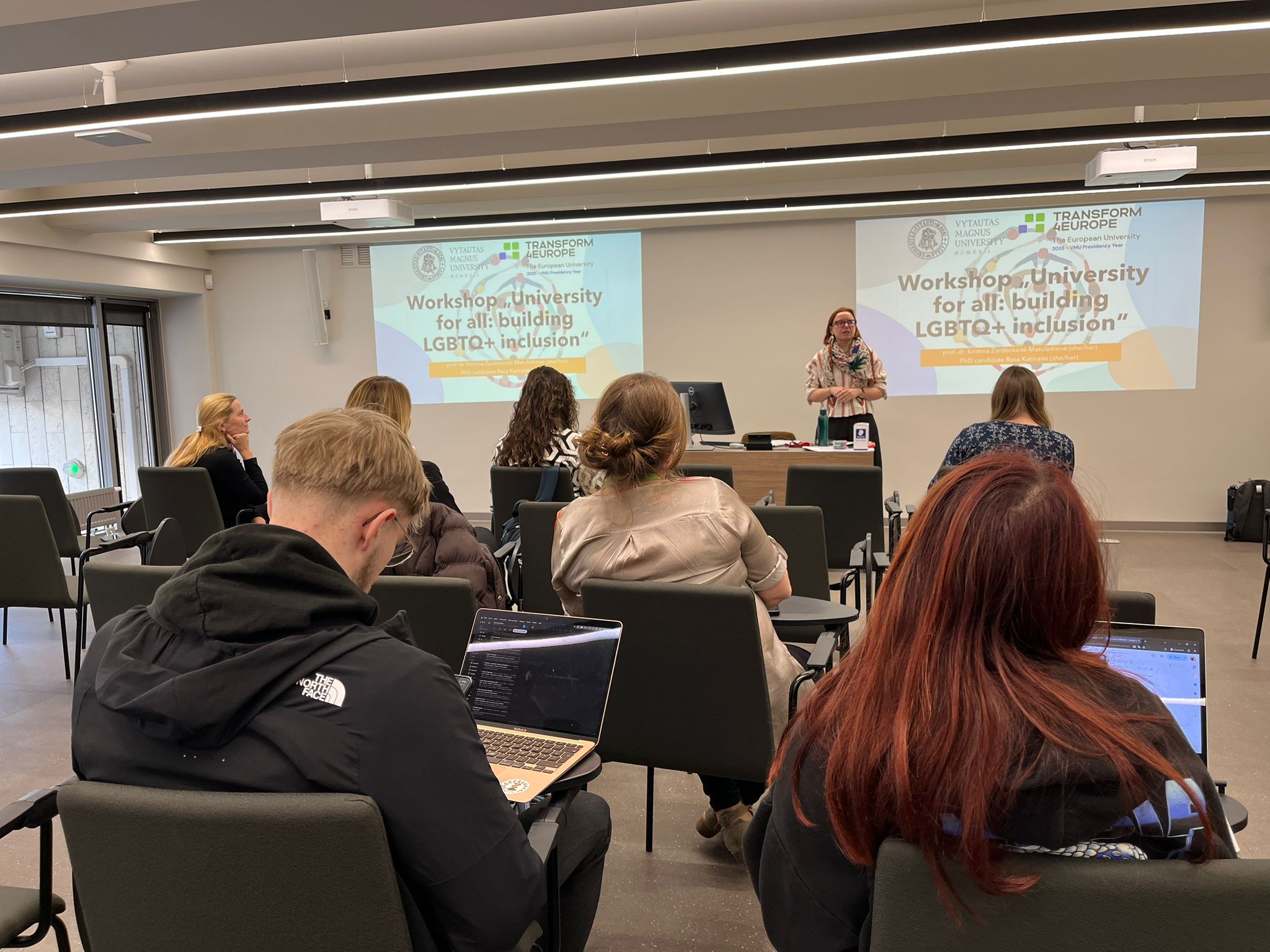
The Fourth Diversity & Inclusion Event “University for All: Building LGBTQ+ Inclusion,” organised by Vytautas Magnus University, offered a space for open dialogue and reflection on how universities can create safer, more respectful, and more inclusive environments for LGBTQ+ individuals. Led by two psychologists specialised in gender and sexuality studies, the session combined a concise introduction on the importance of inclusion with interactive small-group activities.

Participants worked together to share experiences, discuss everyday challenges in academic life, and identify practical measures that institutions can implement. The event concluded with a collective set of recommendations to strengthen LGBTQ+ inclusion in areas such as communication practices, community-building, confidentiality mechanisms, and non-discrimination protocols.

Feedback praised the clarity and accessibility of the activities, as well as the opportunity to learn alongside colleagues from different universities. Participants expressed interest in dedicating more time to the workshop and exploring topics in greater depth. Overall, the event stood out for its participatory approach and its contribution to fostering safer and more inclusive university environments across Transform4Europe.
Repository

Four rounded white squares are arranged in a grid pattern on a light gray background, with space separating each square.