
Student Gardens
About
The initiative is to bring students together through a creative green project that celebrates cultural and environmental diversity. Across partner universities, student-led groups are set to design and cultivate gardens inspired by all countries in the Alliance. The initiative encourages teamwork, sustainability, and a shared European identity.
Each garden will reflect the values of cooperation and care, while offering a welcoming space on campus.
The project unfolds throughout 2025, with student engagement at its heart. More details will follow as the gardens take shape.
The garden is the result of the ‘Garden of Shared Memories’ project, which was awarded in the framework of the Common Cultural Activities initiative of the Transform4Europe Alliance, co-financed by the European Union’s Erasmus+ programme.
Student gardens at Saarland University
Working together for a greener campus
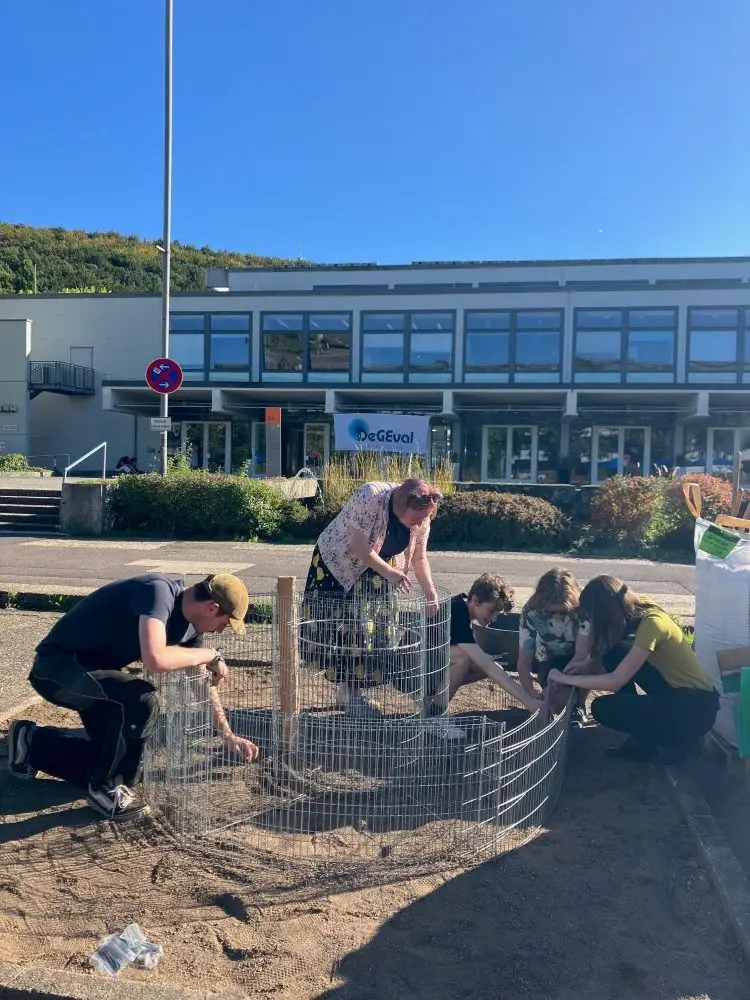
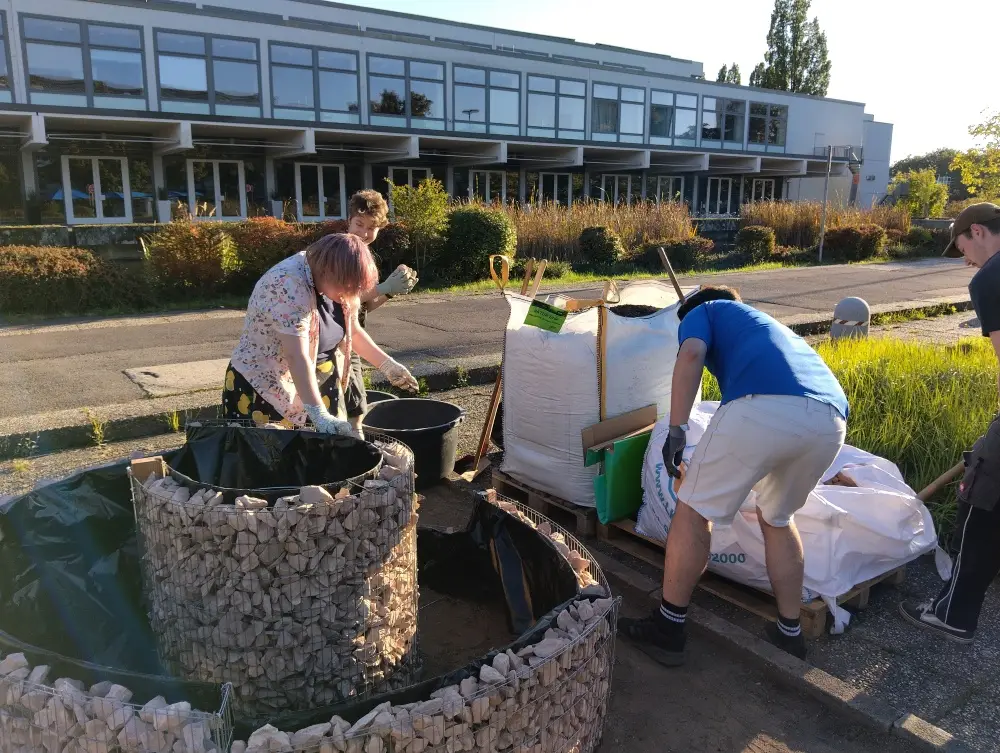
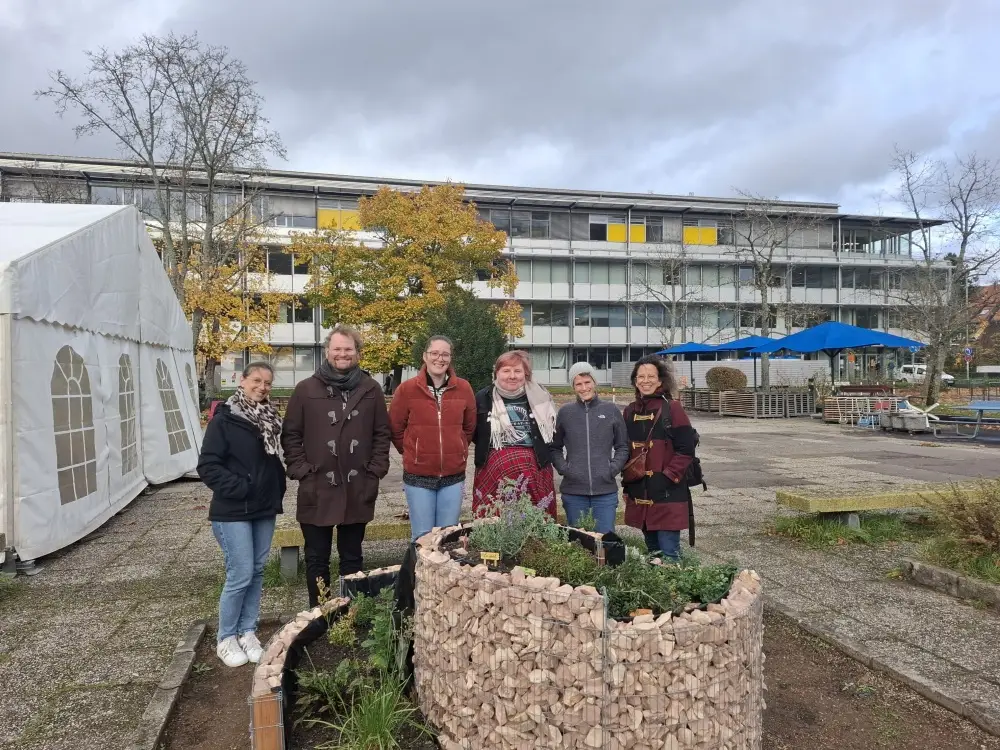
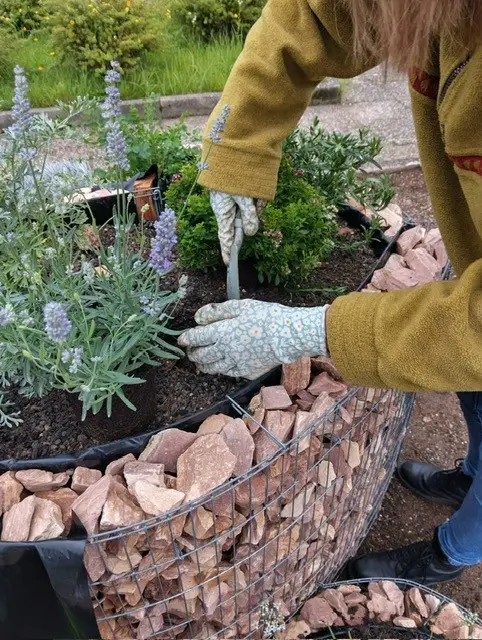
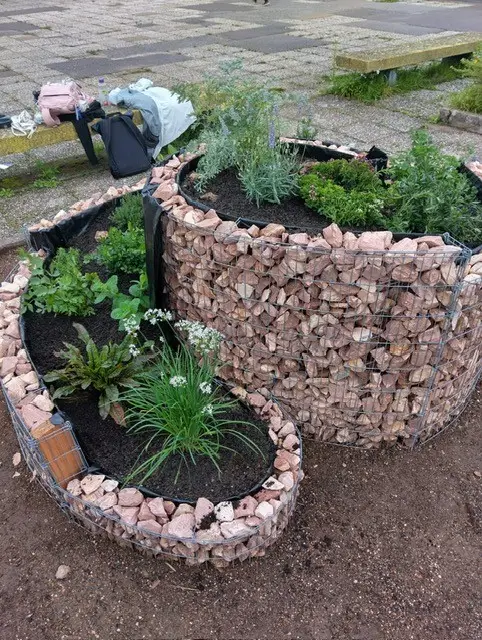
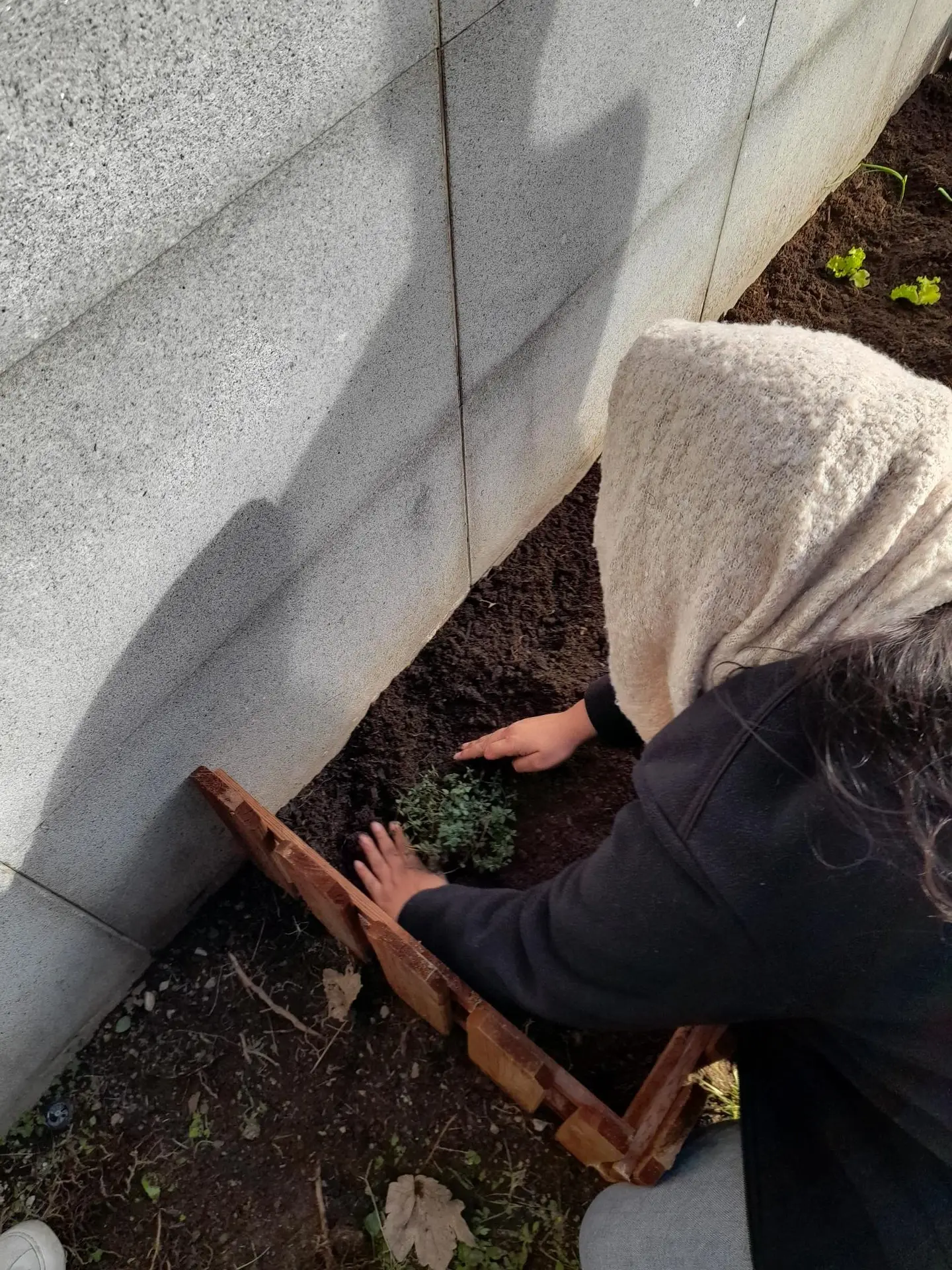
The herb spiral student garden recently installed on the Saarbrücken campus is a labour of love. The installation’s blooms aren’t just beautiful, but also make a positive ecological impact.
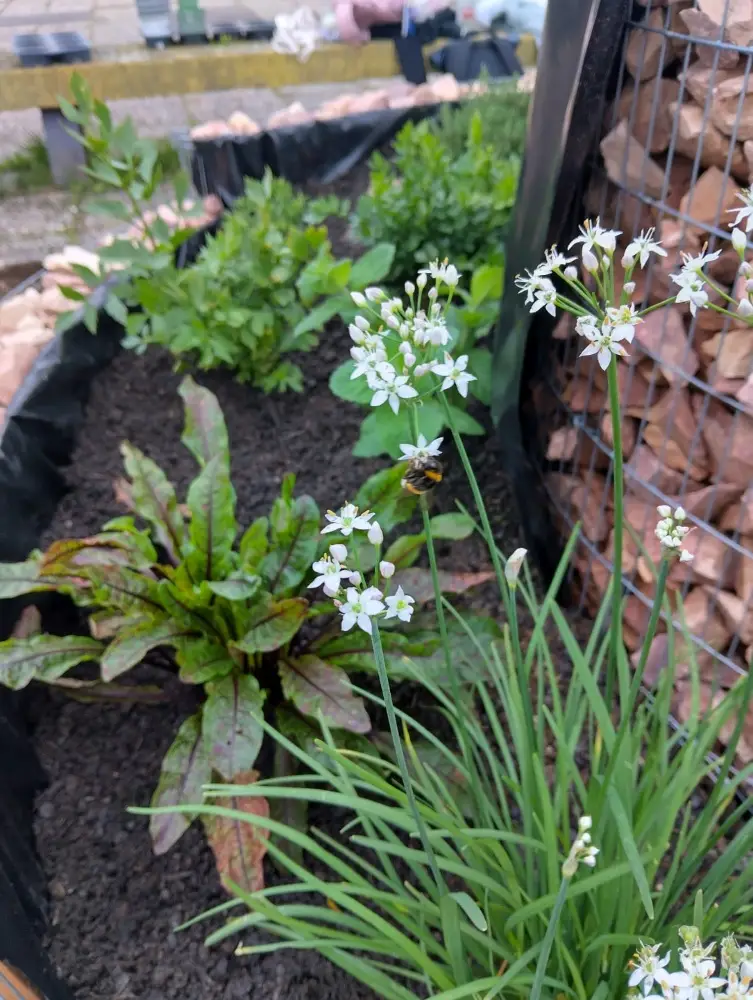
In just two afternoons, the European Studies departmental student organization was able to set up the herb spiral with some spontaneous help from the AStA meet & green officer. And in no time the first guest – a bumblebee – had arrived, showing what a big difference a small garden can make for pollinators.
What’s in the spiral right now? Garlic chives, red sorrel, lovage, apple mint, lavender, tarragon, lemon balm, marjoram, rosemary, thyme, lemon thyme, sage, savory, hyssop, burnet, oregano, Italian strawflower, medicinal herbs and common wormwood.
Feeling inspired to do something for the environment? Send us your favourite vegetarian or vegan recipes from Transform4Europe countries. Keep it up!
Student gardens at Universidade Católica Portuguesa
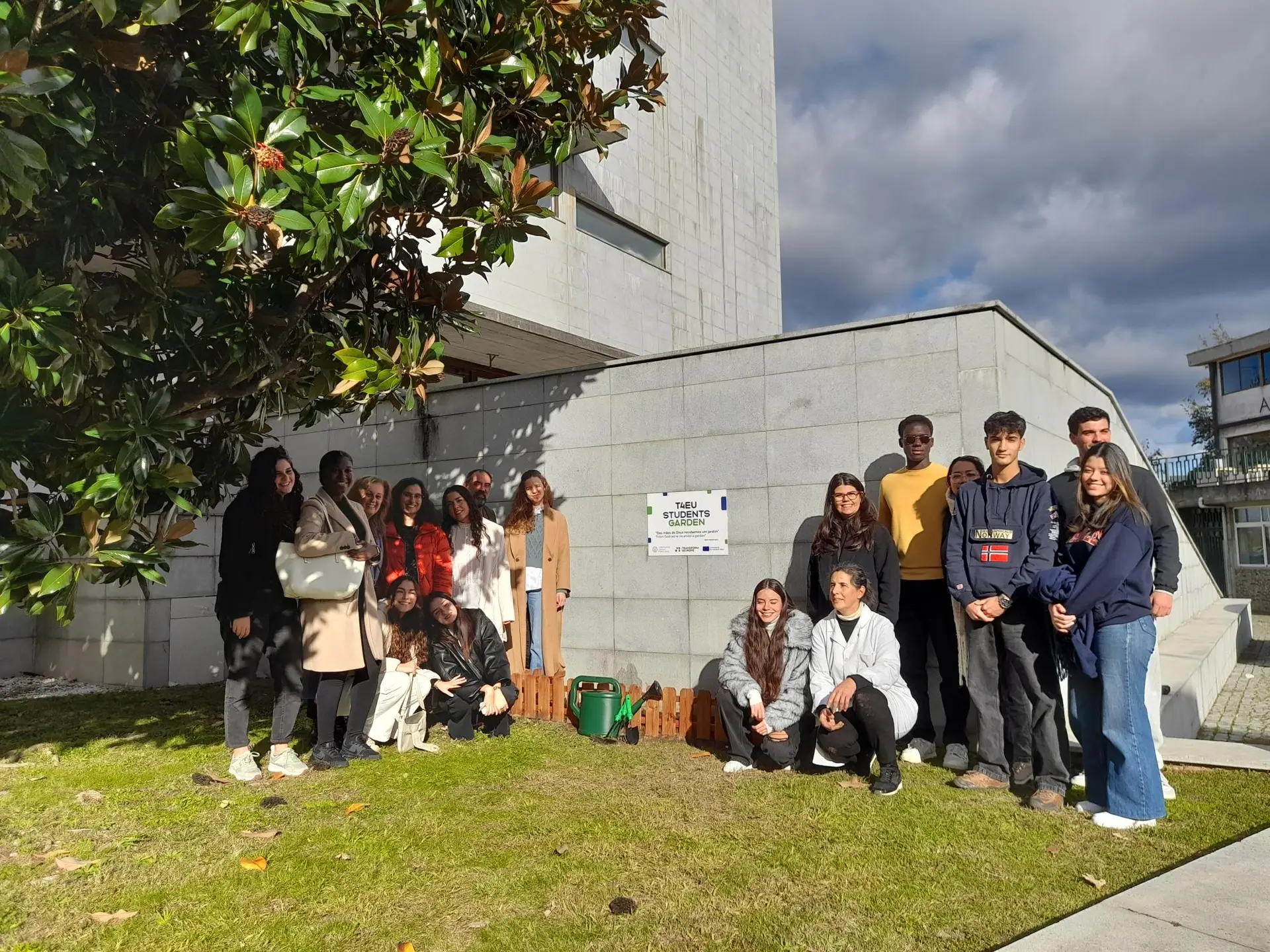
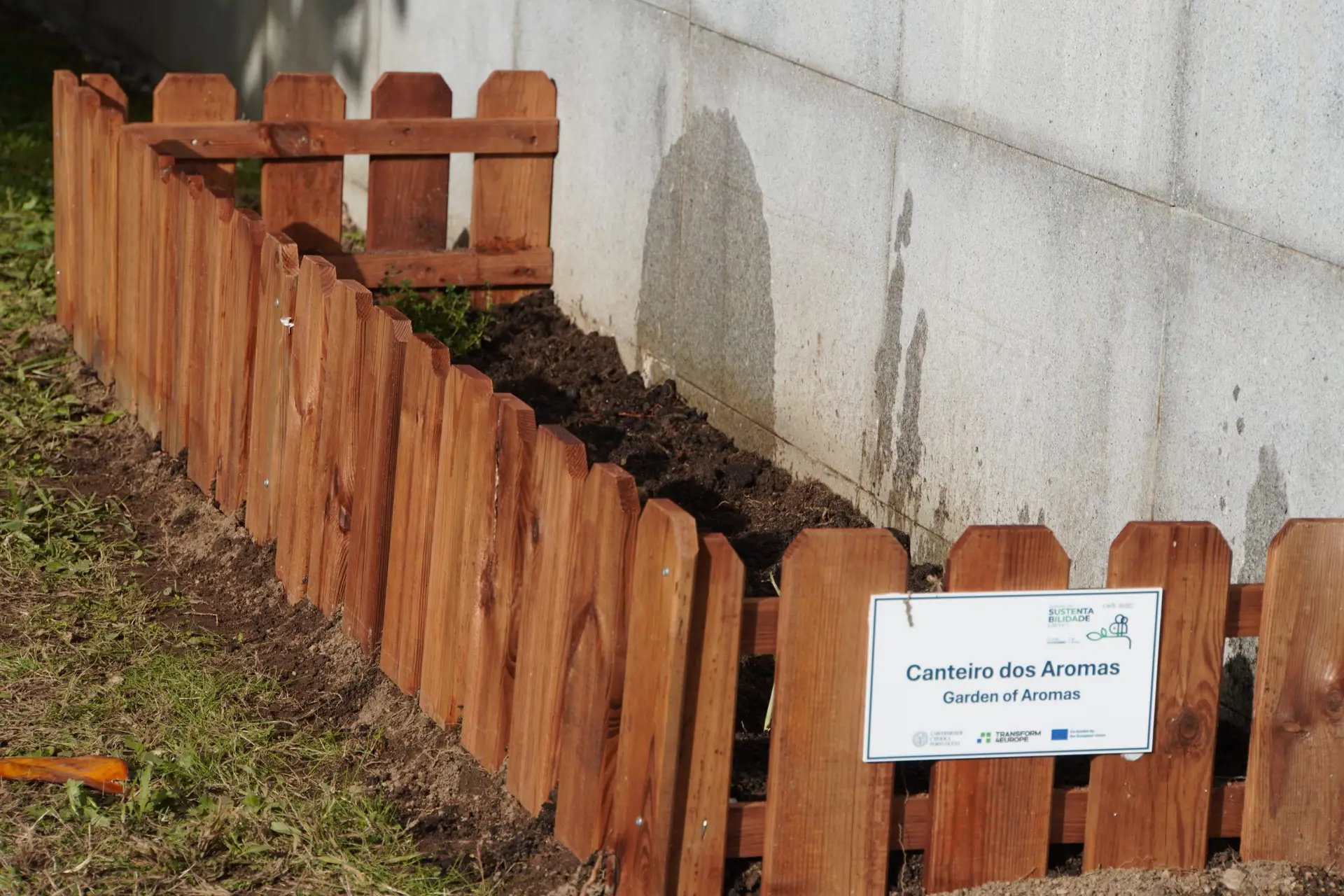
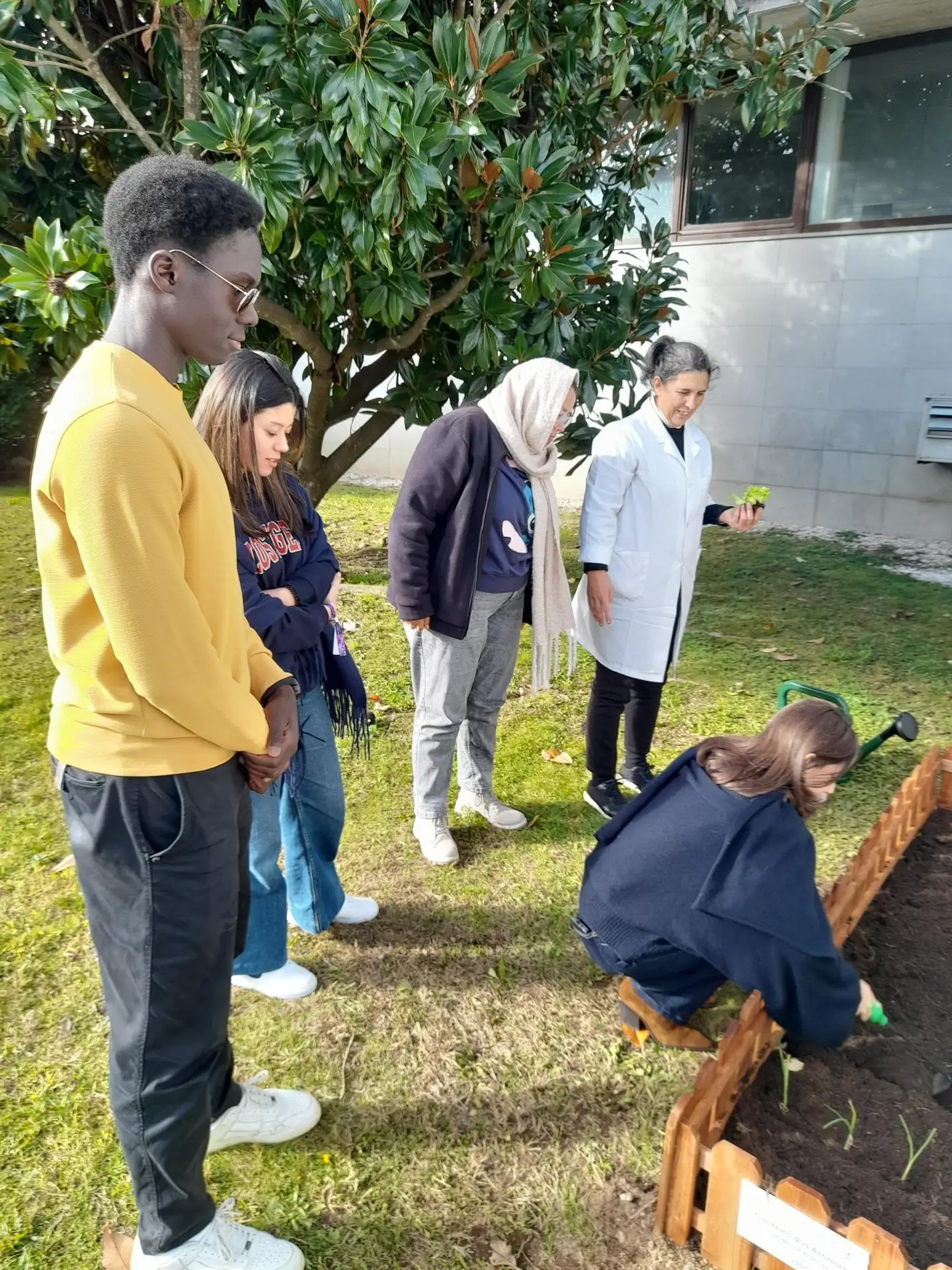
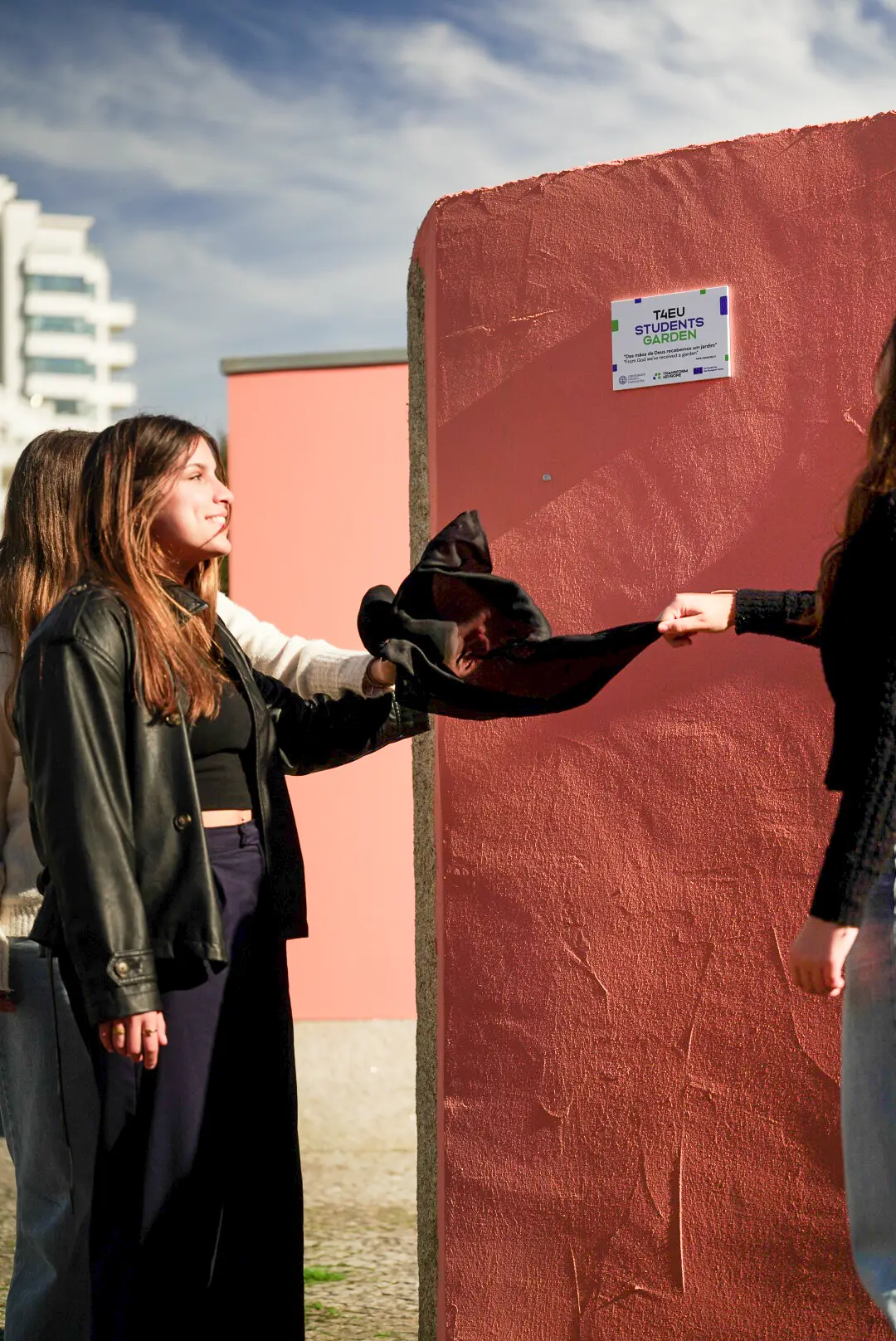
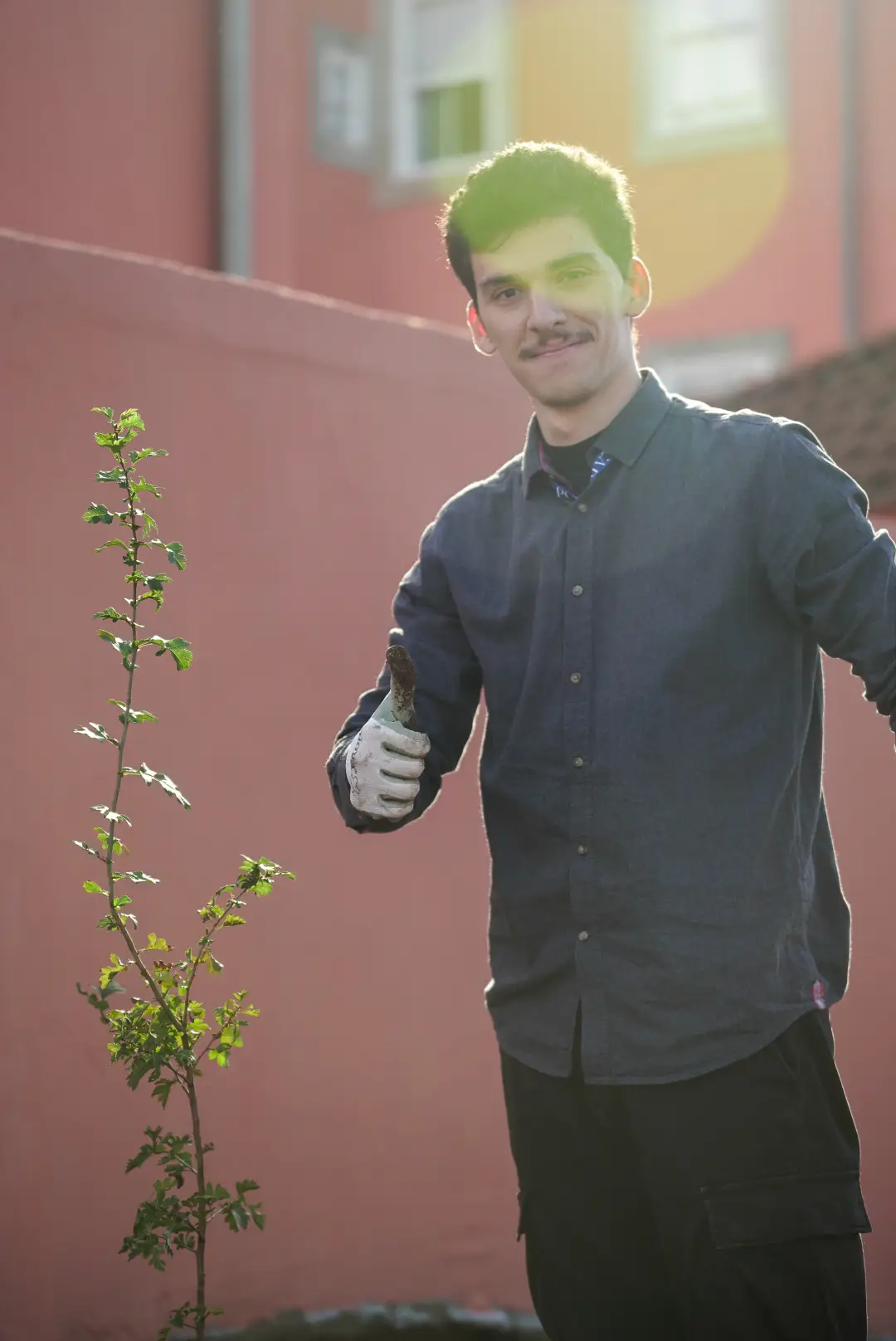
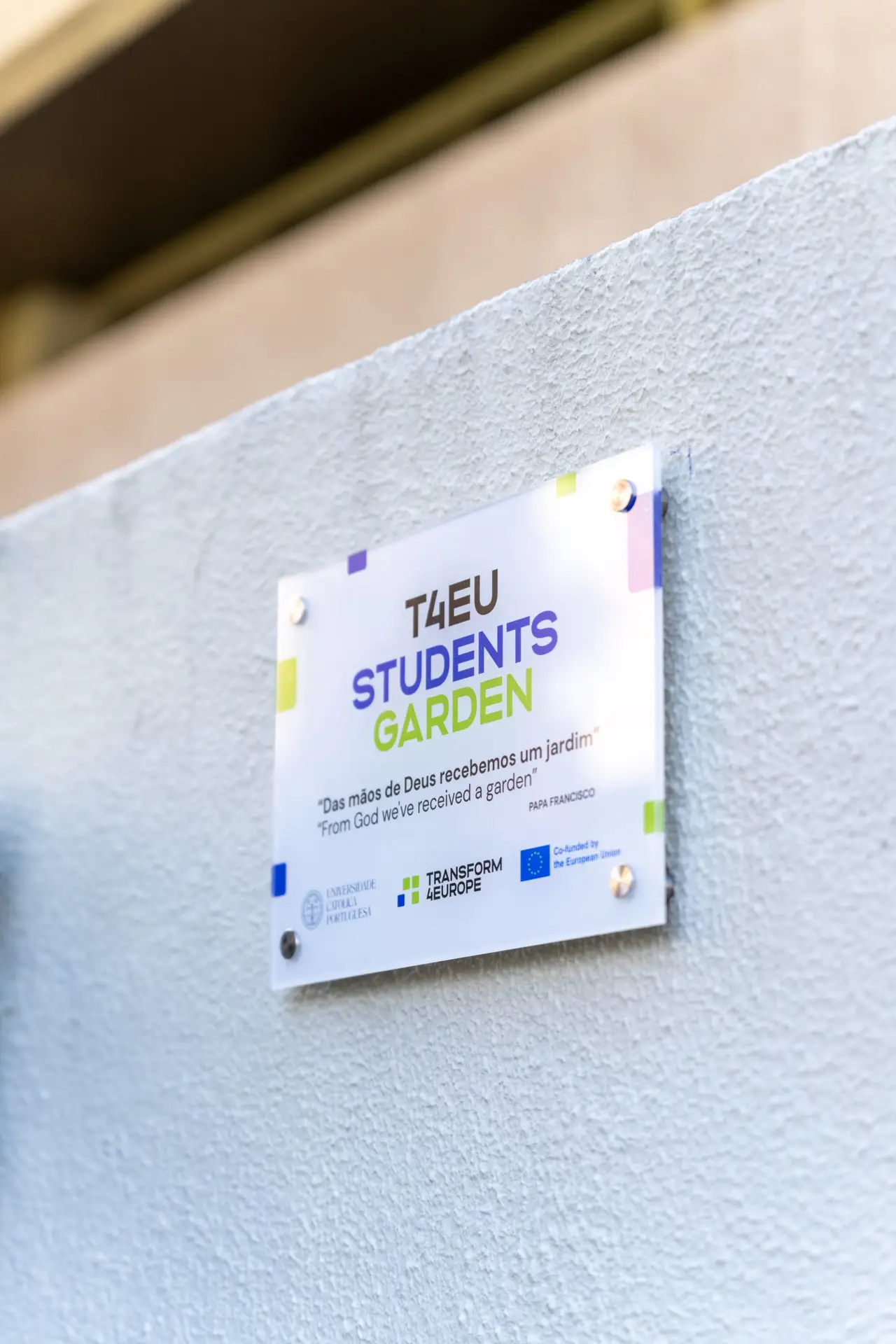
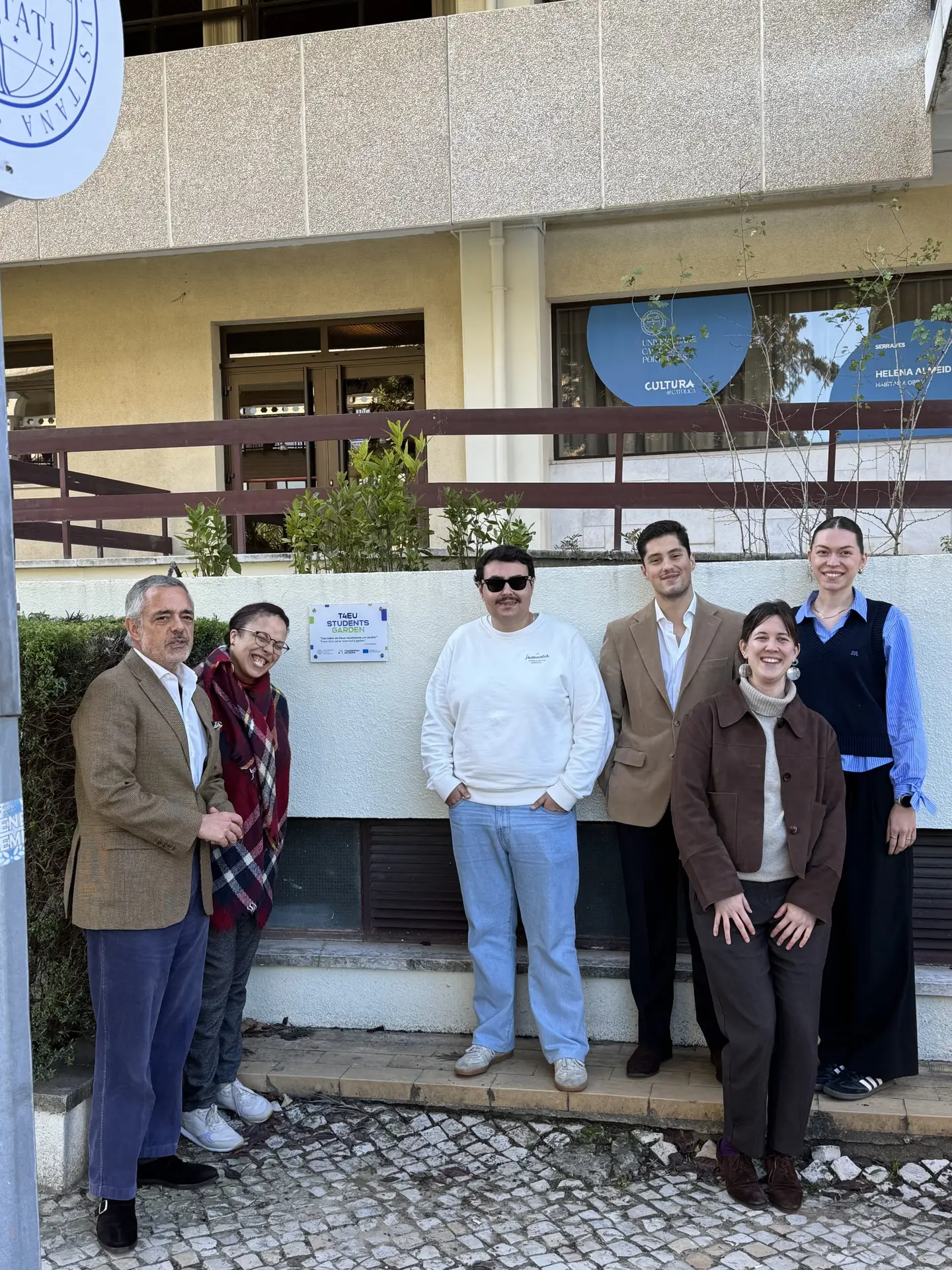
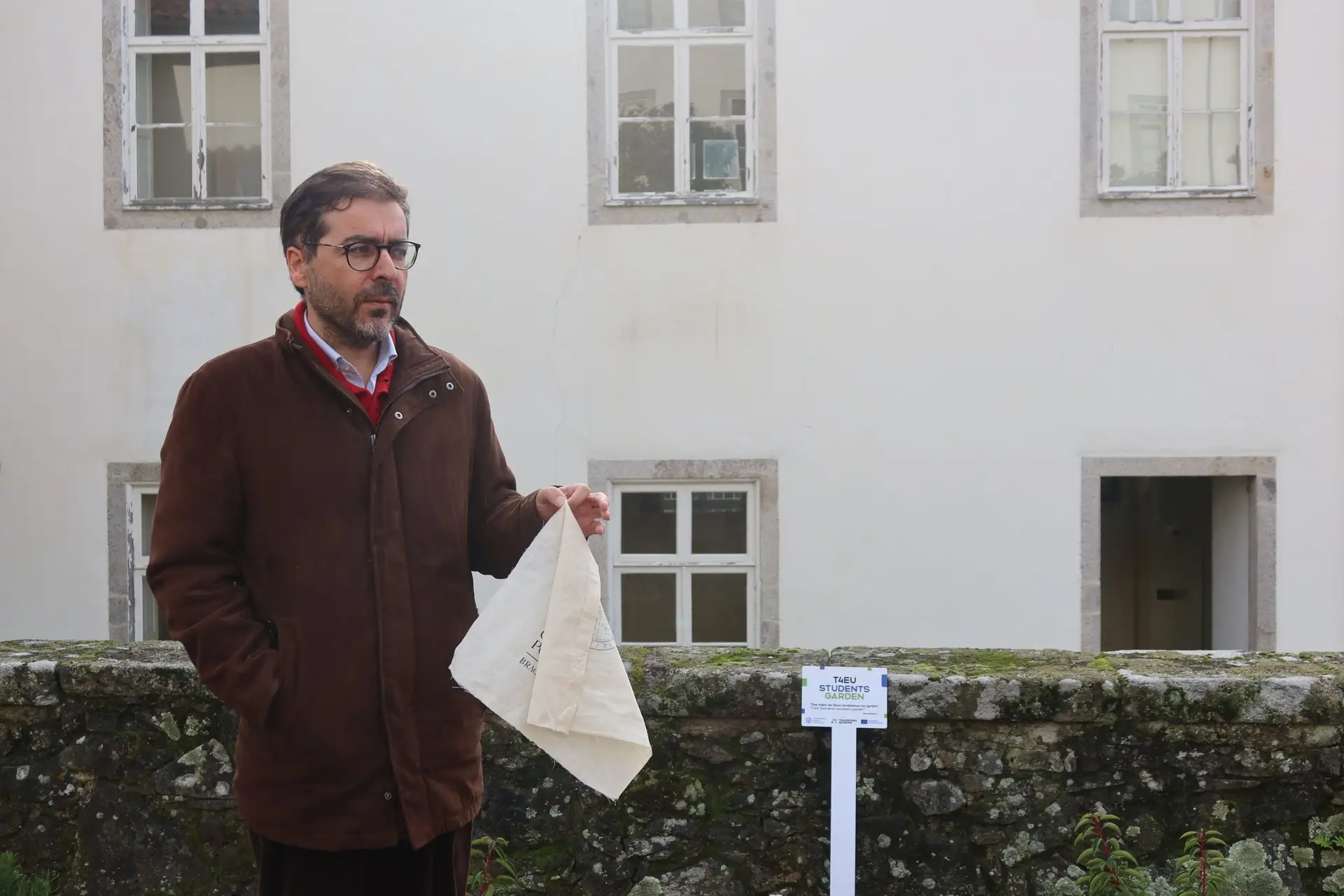
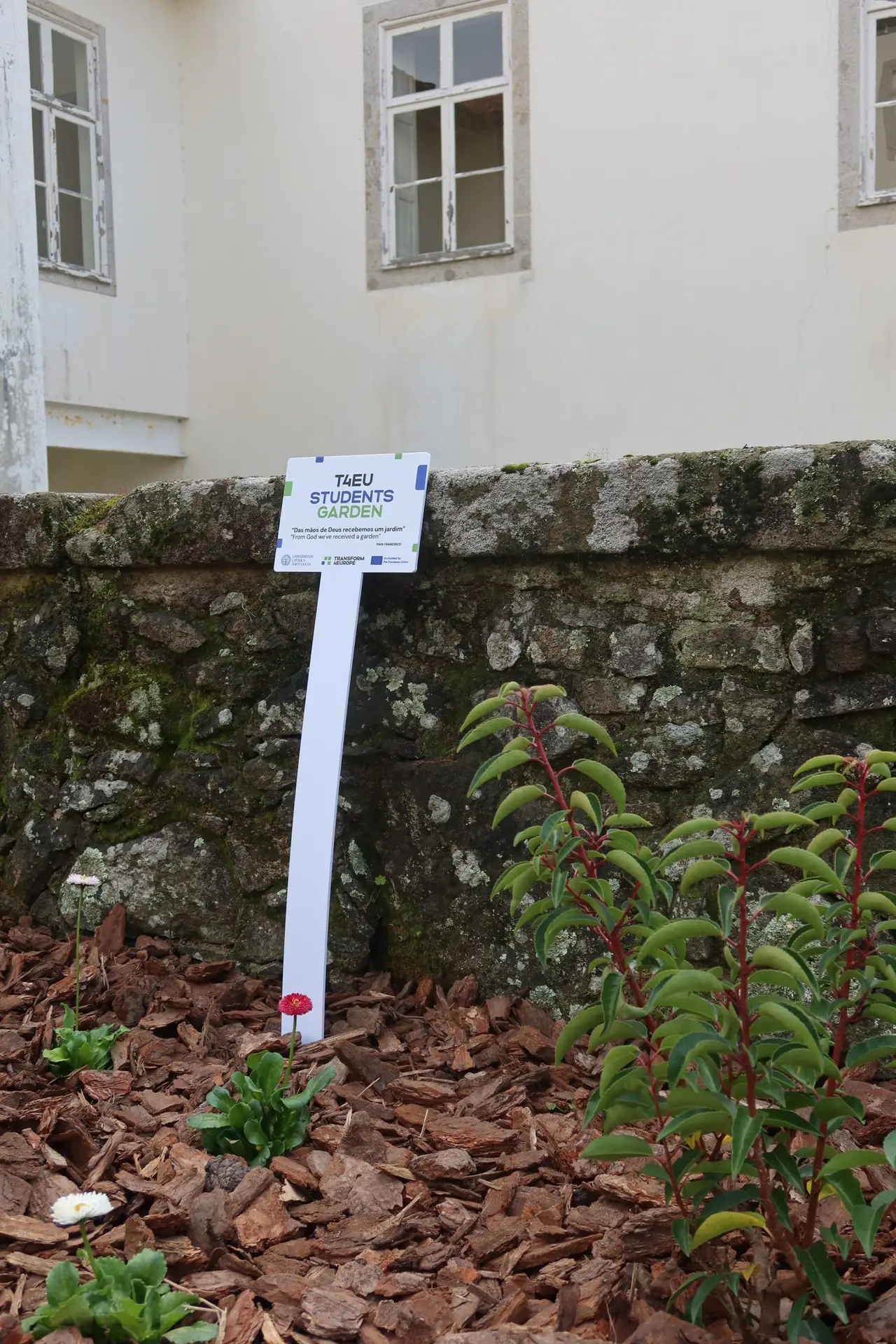
Thanks to Transform4Europe, students at the Universidade Católica Portuguesa can now enjoy four new green spaces: the T4EU Student Gardens, a sustainable initiative by the alliance of European universities of which the university is a member.
Created with the aim of involving students and the academic community in sustainable practices, the T4EU Student Gardens are collaborative green spaces that promote ecological literacy and green skills, strengthening the spirit of community within the alliance.
With the creation of four community gardens in Lisbon, Porto, Braga and Viseu, Católica aims to create an ecosystem of practical learning about biodiversity, environmental resilience and ecological transition, as well as representing the cultural and geographical diversity of the T4EU countries through the chosen flora.
Each Católica campus implemented its own garden during the university’s first Sustainability Week, reinforcing Católica University’s commitment to the Green Transformation defined in the Transform4Europe strategy.
Student gardens at Université Jean Monnet
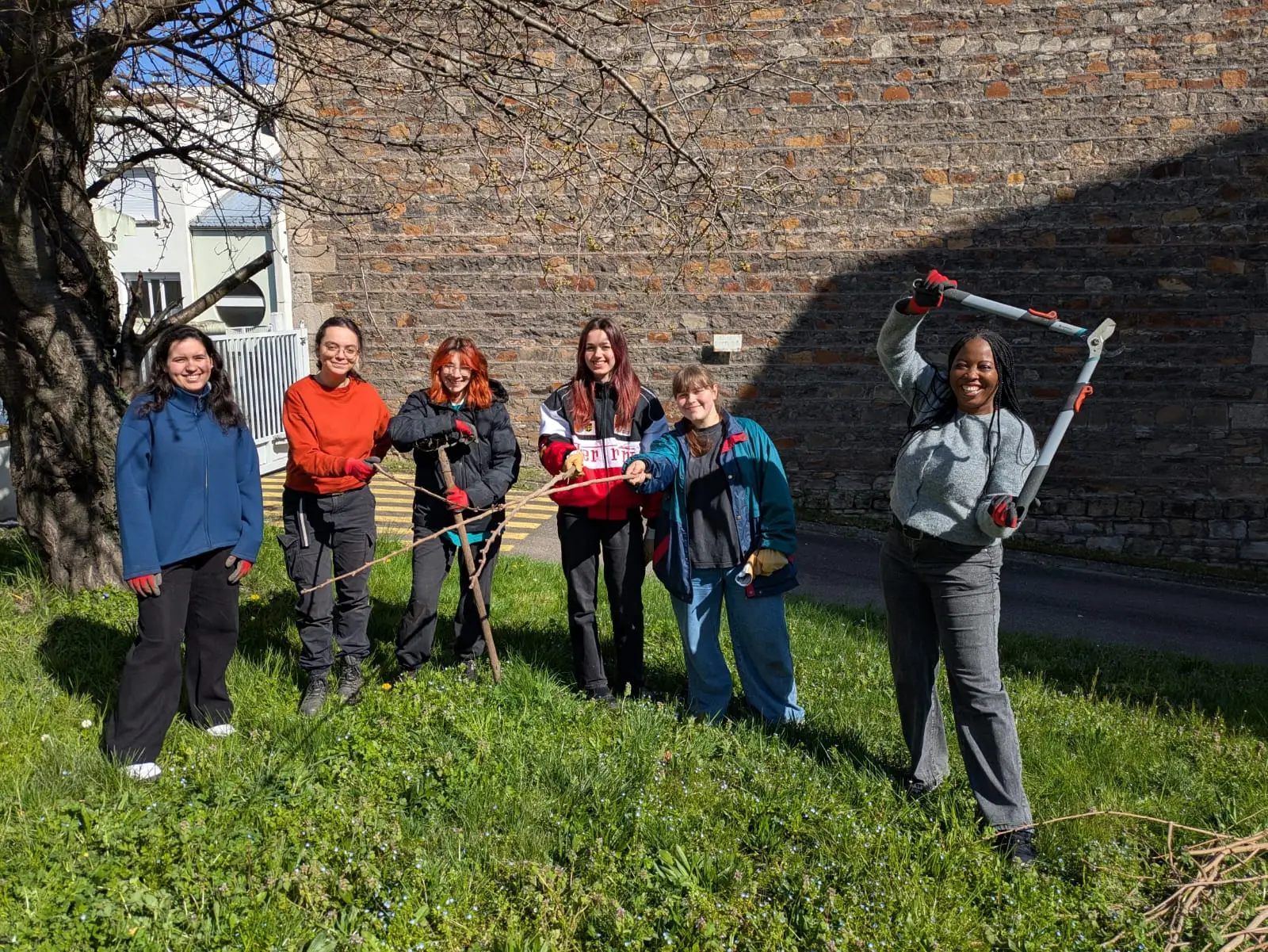
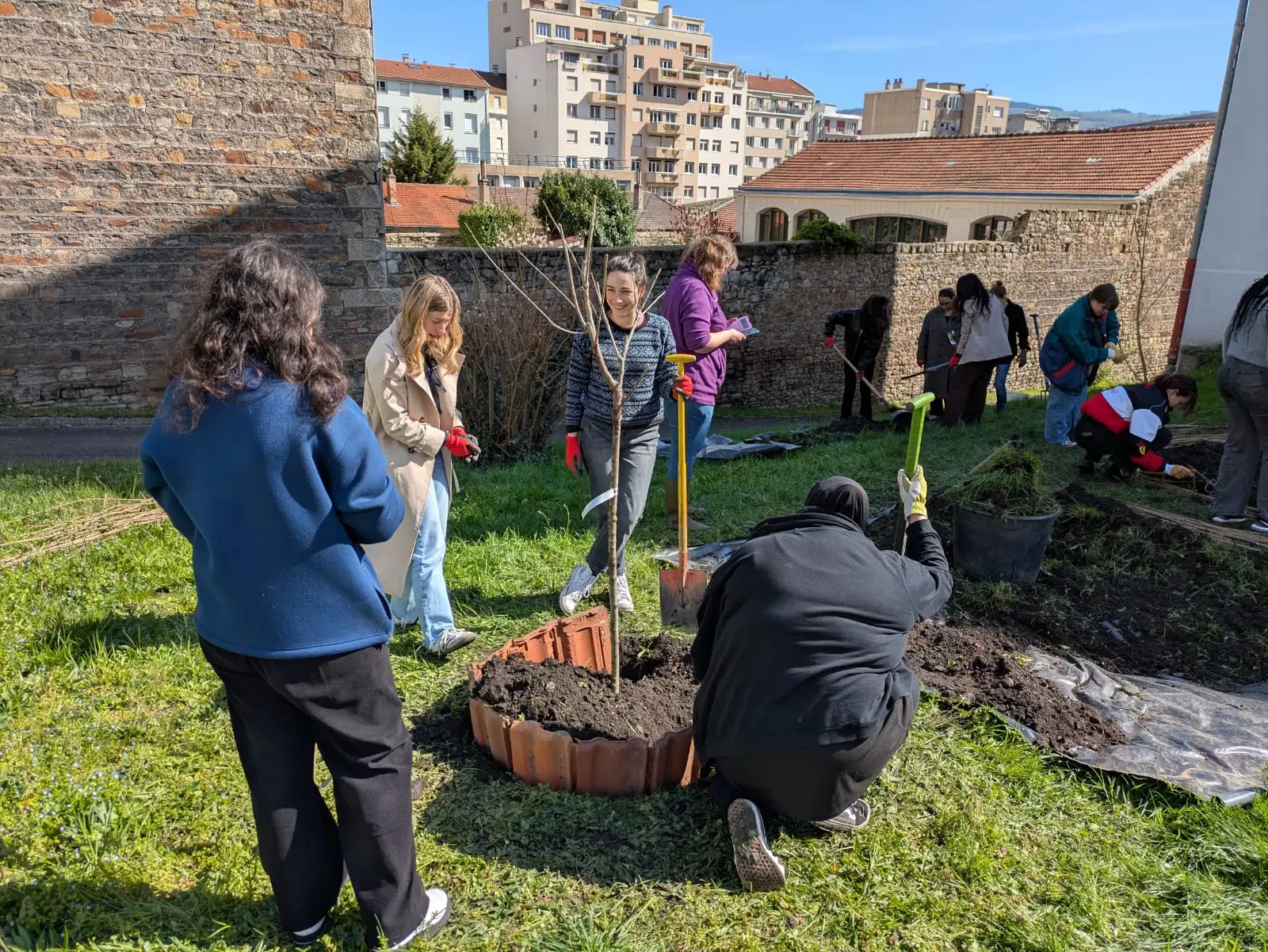
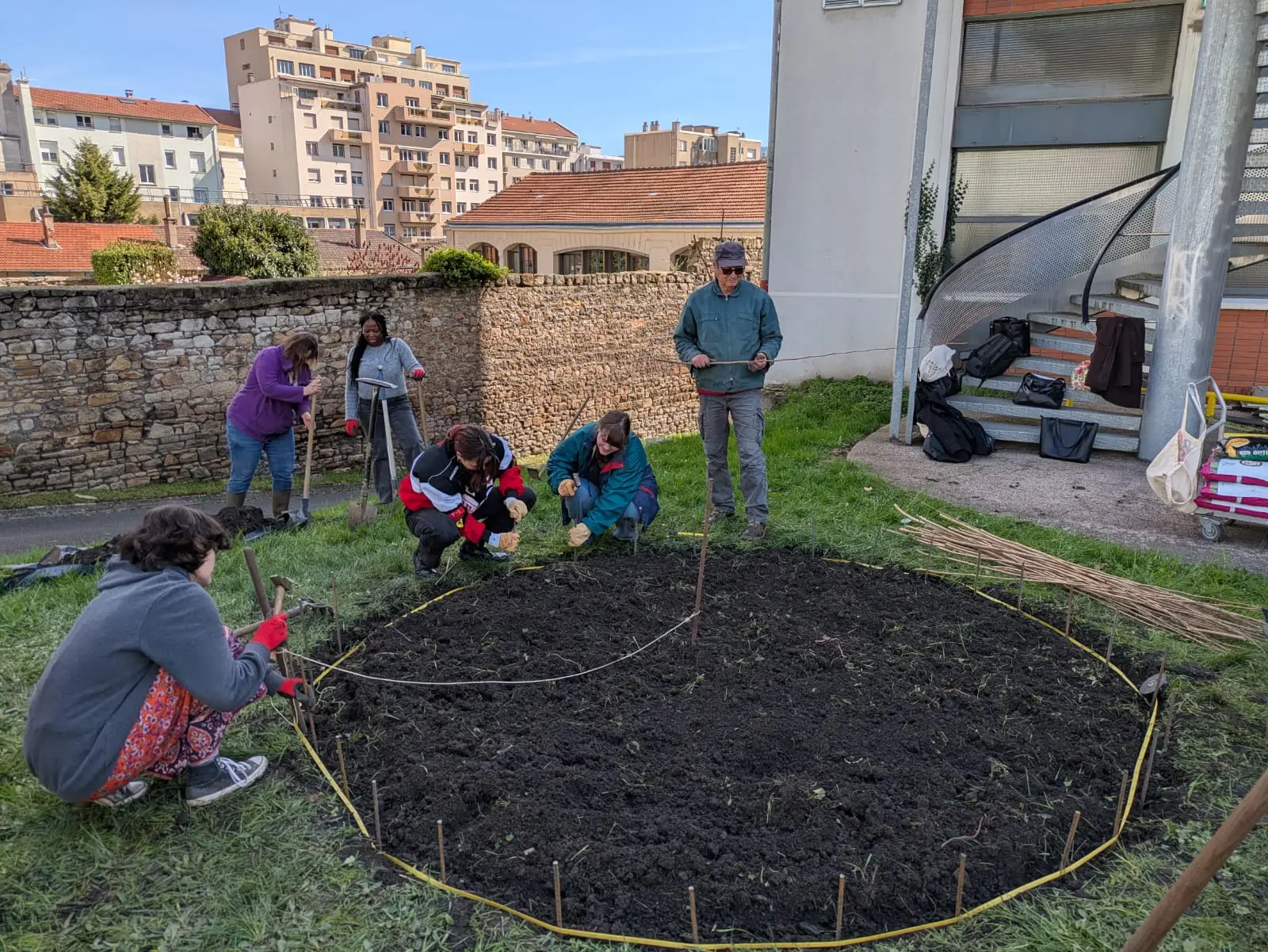
On March 17, 2026, one campus at Université Jean Monnet came alive during lunchtime as students gathered to take part in the T4EU Garden Planting initiative. Organized as part of the Transform4Europe Green Campus program, the event aimed to promote biodiversity, environmental awareness, and student engagement within university life.
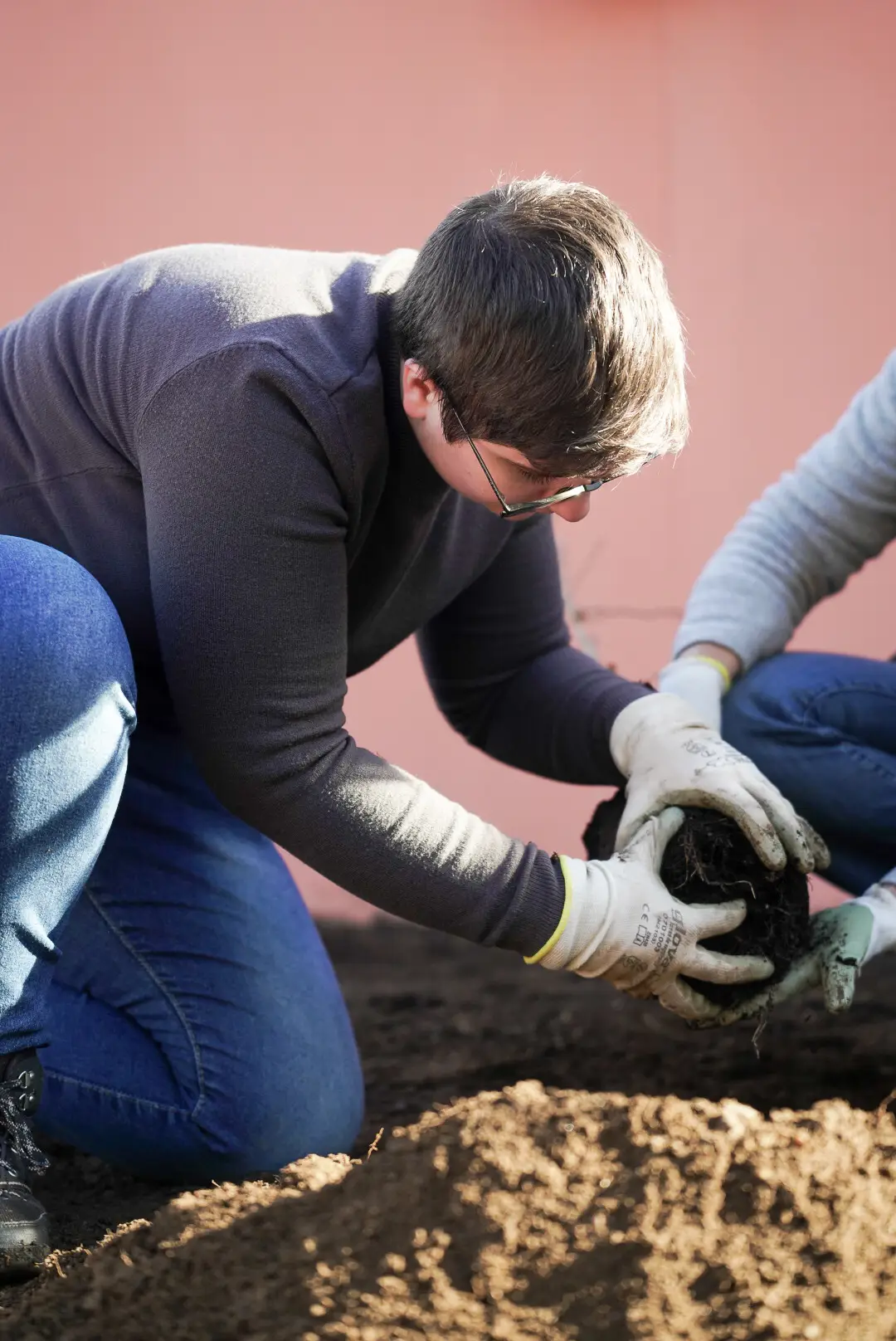
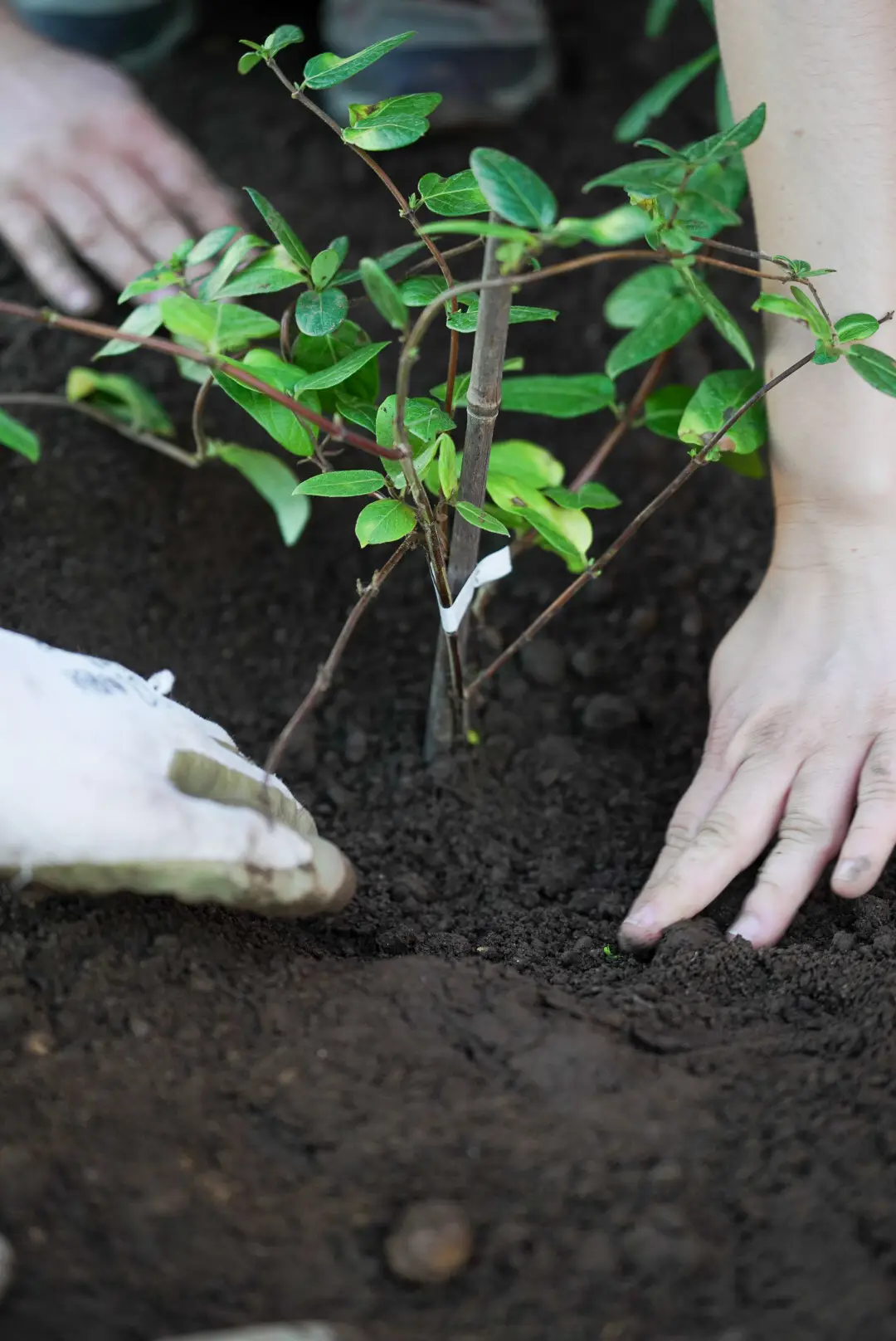
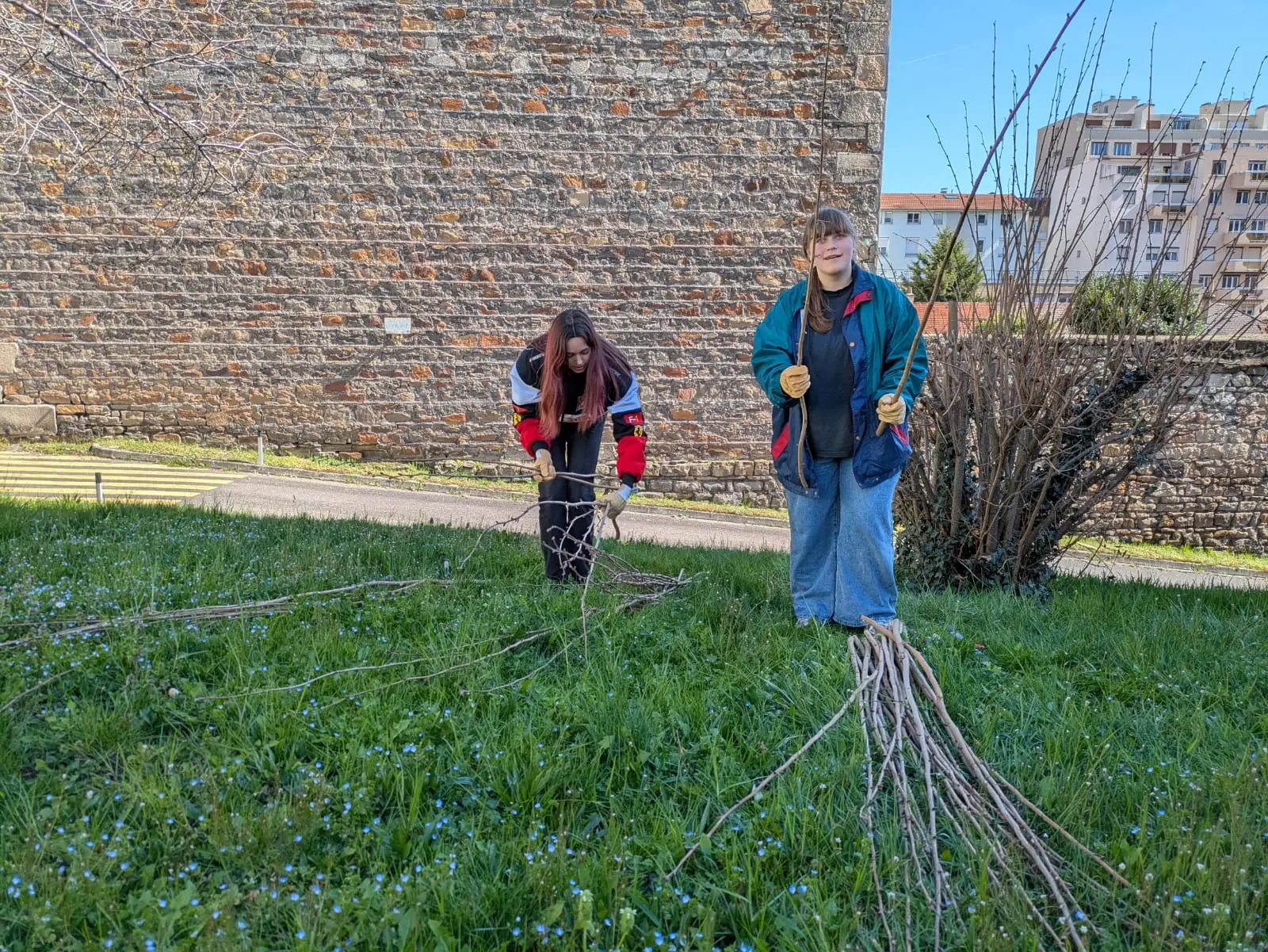
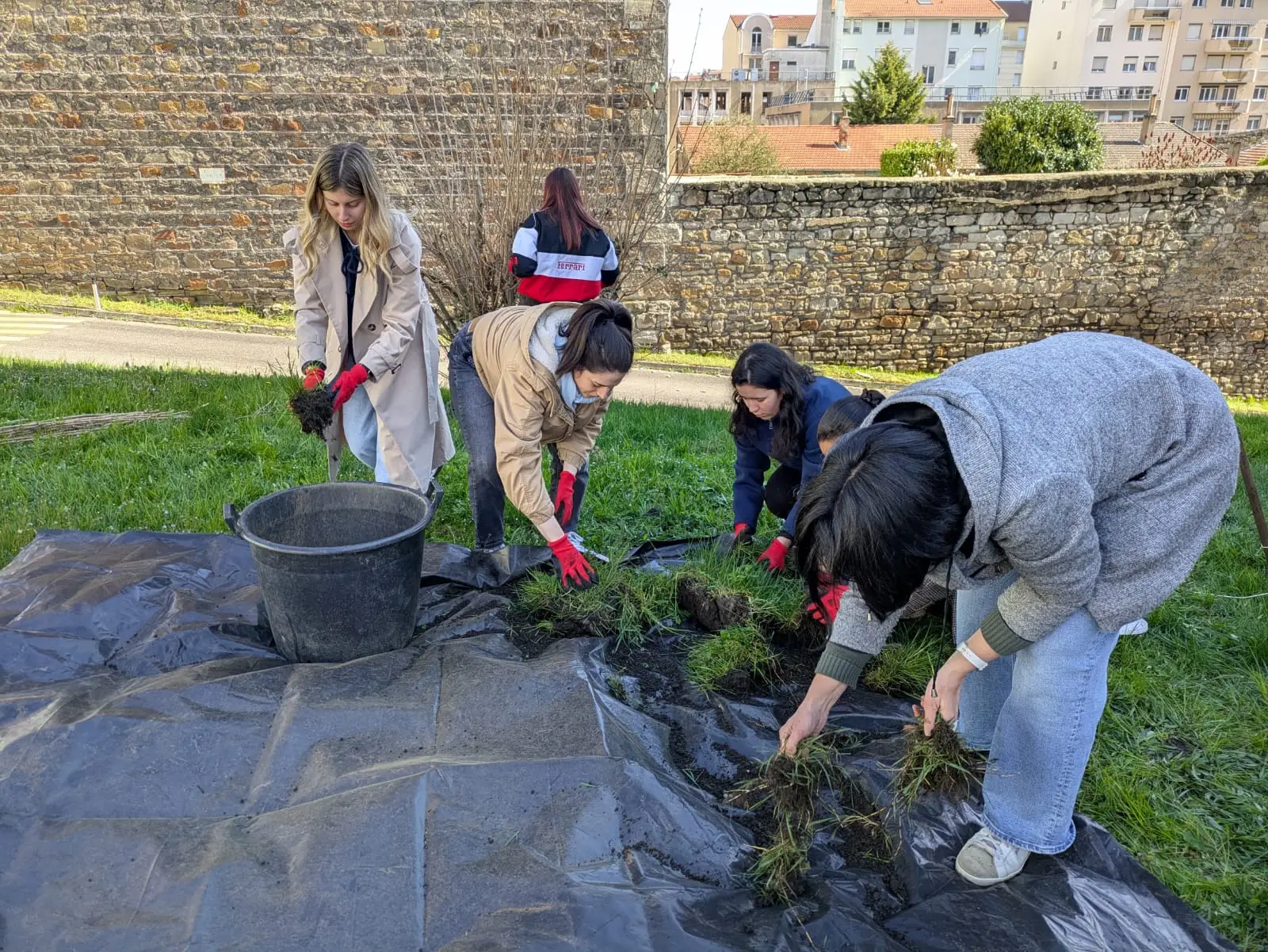
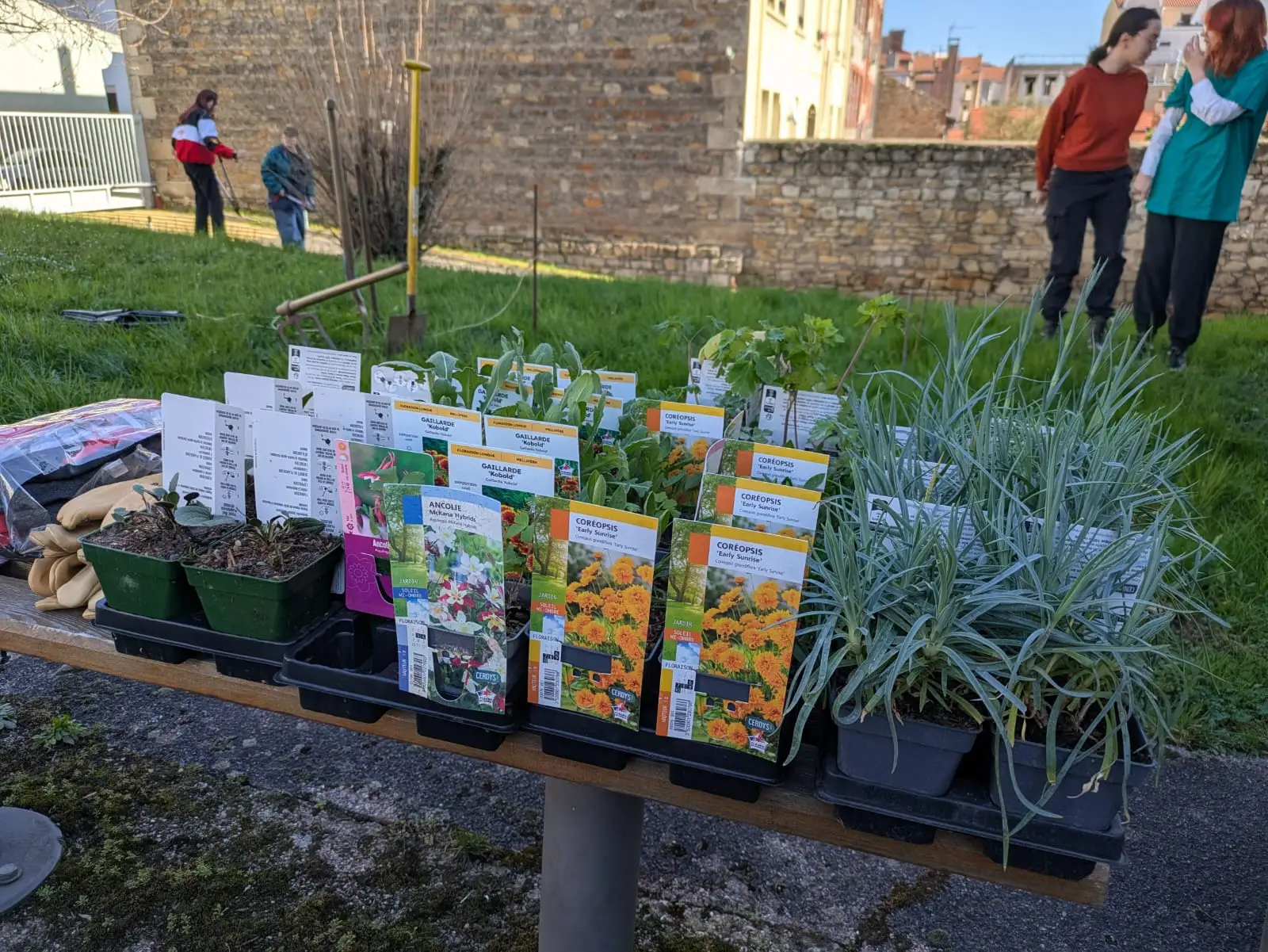
From 12 p.m. to 2 p.m., participants rolled up their sleeves and quite literally got their hands in the soil. Together, they planted fruit trees – a quince tree and a cherry tree – as well as a colorful flower bed, contributing to the ongoing greening of the campus. Gardening tools were provided, though many students brought their own equipment, adding to the collaborative spirit of the activity.
The event welcomed 15 students from a wide range of academic backgrounds, including business and management, law, and political studies. This diversity reflected the interdisciplinary nature of environmental challenges and highlighted a shared commitment to sustainability across fields.
This hands-on project is part of a broader European effort to create greener, more inclusive, and healthier campuses. By combining practical action with awareness-raising, the T4EU Garden Planting event demonstrated how small, collective efforts can contribute to meaningful environmental change.
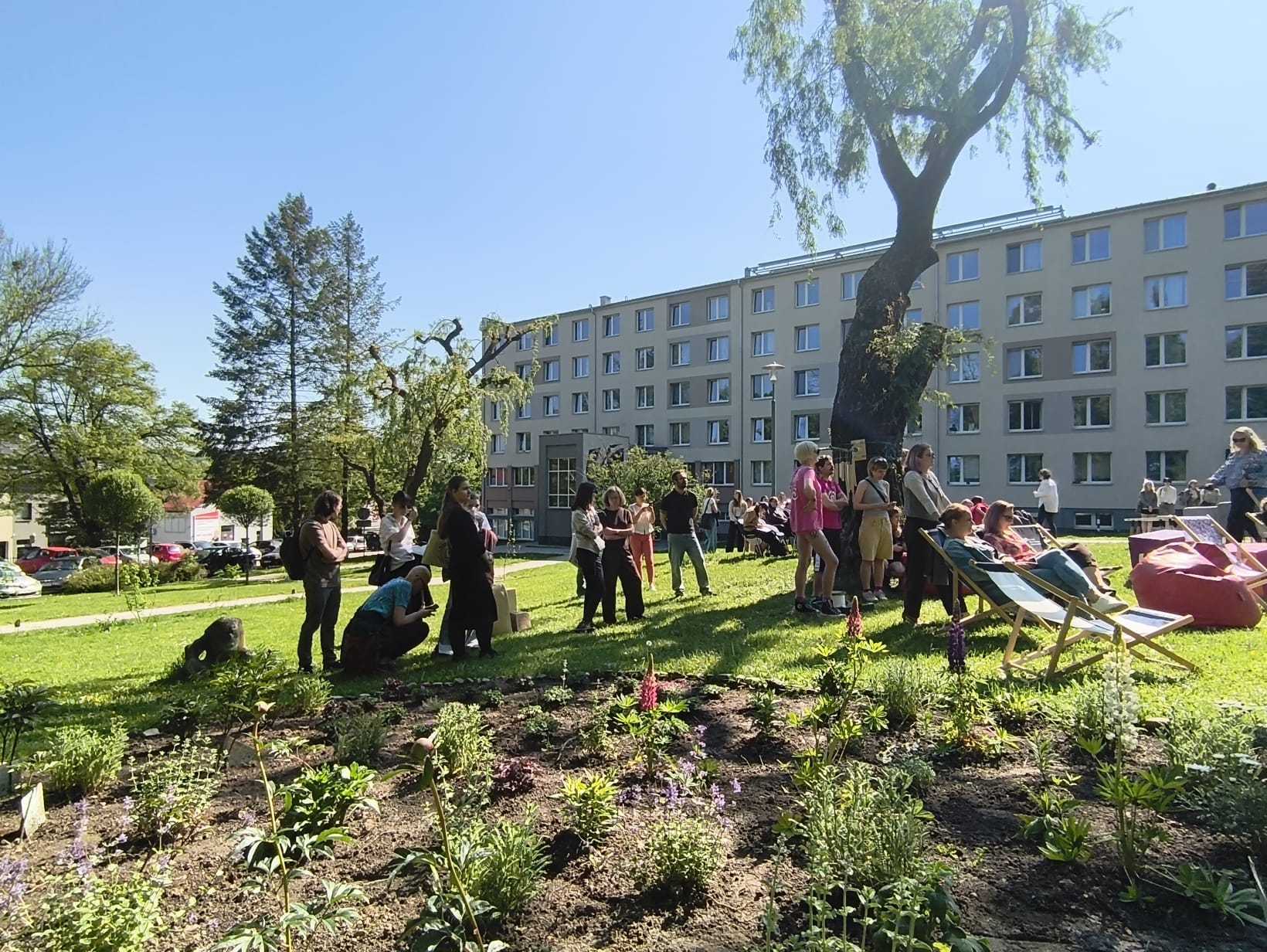
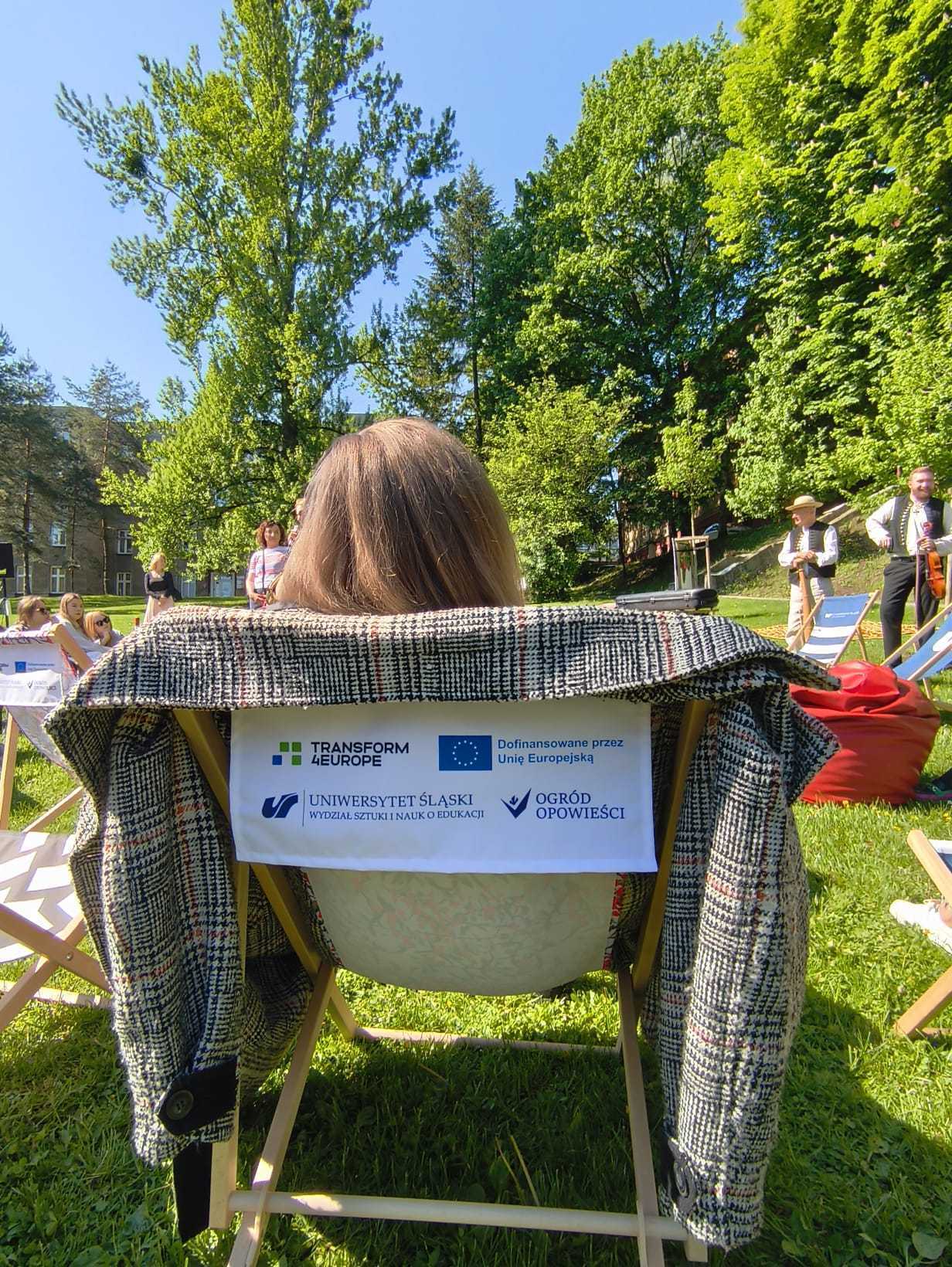
‘Garden of Stories’ at University of Silesia in Cieszyn
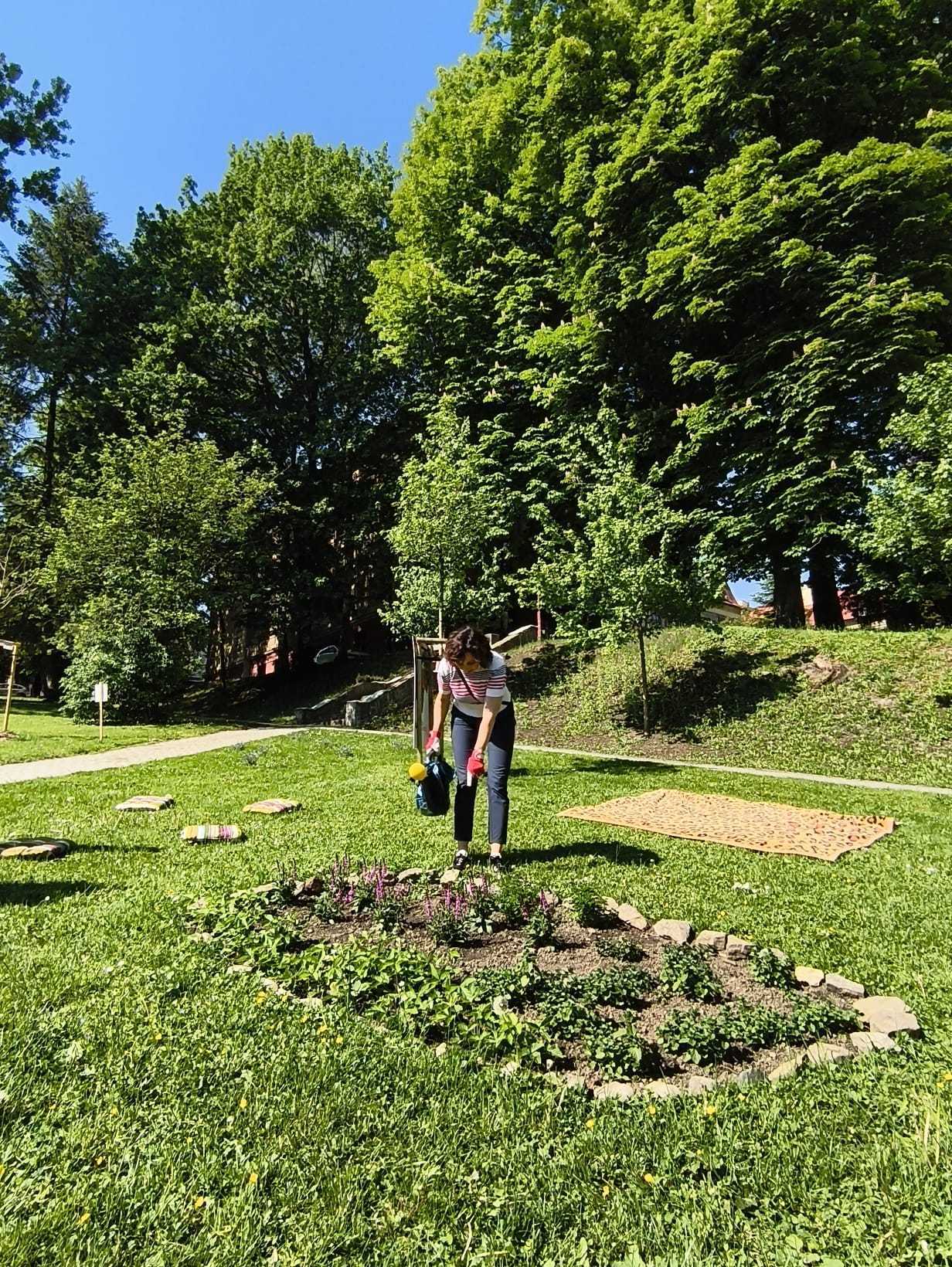
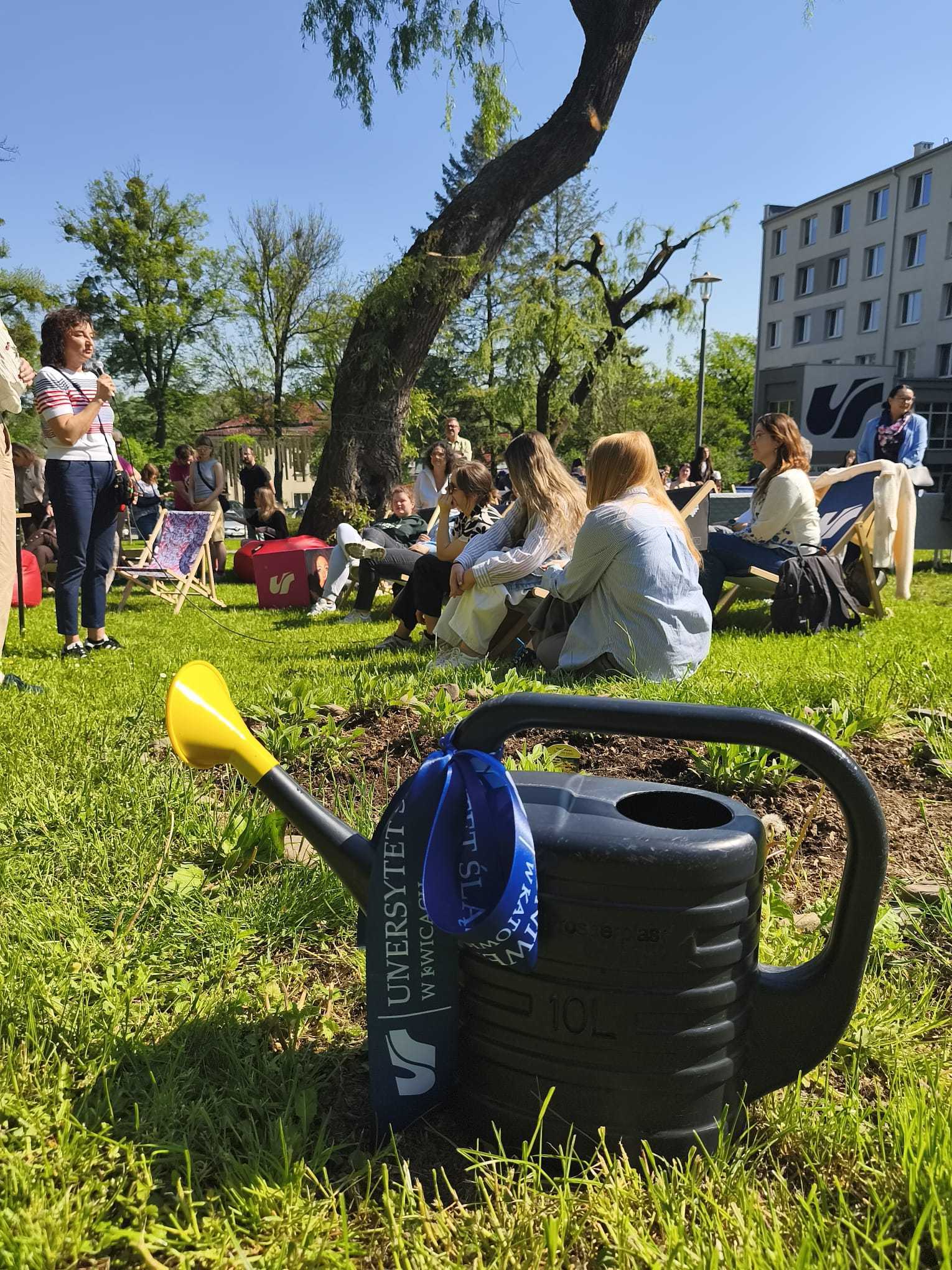
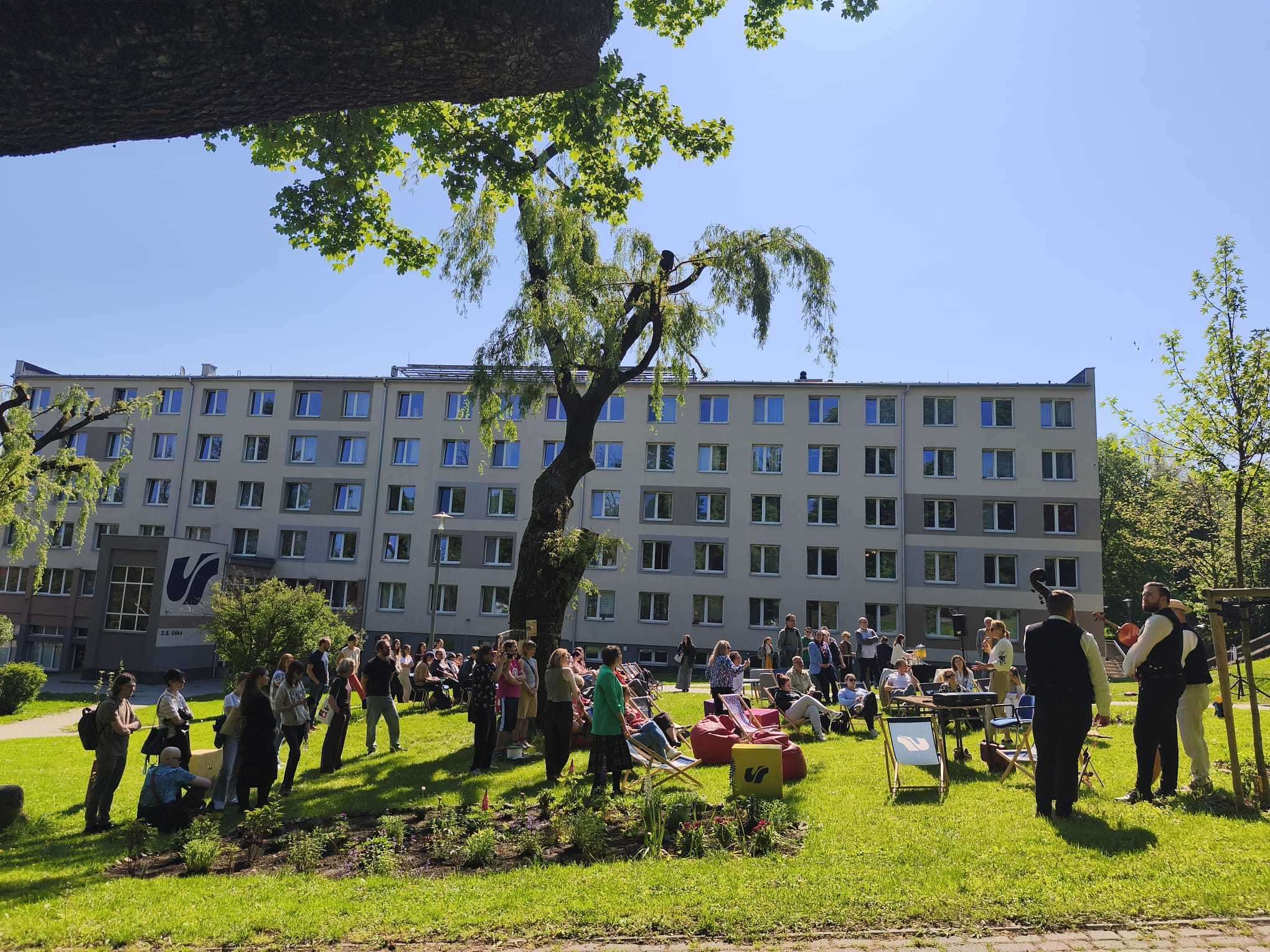
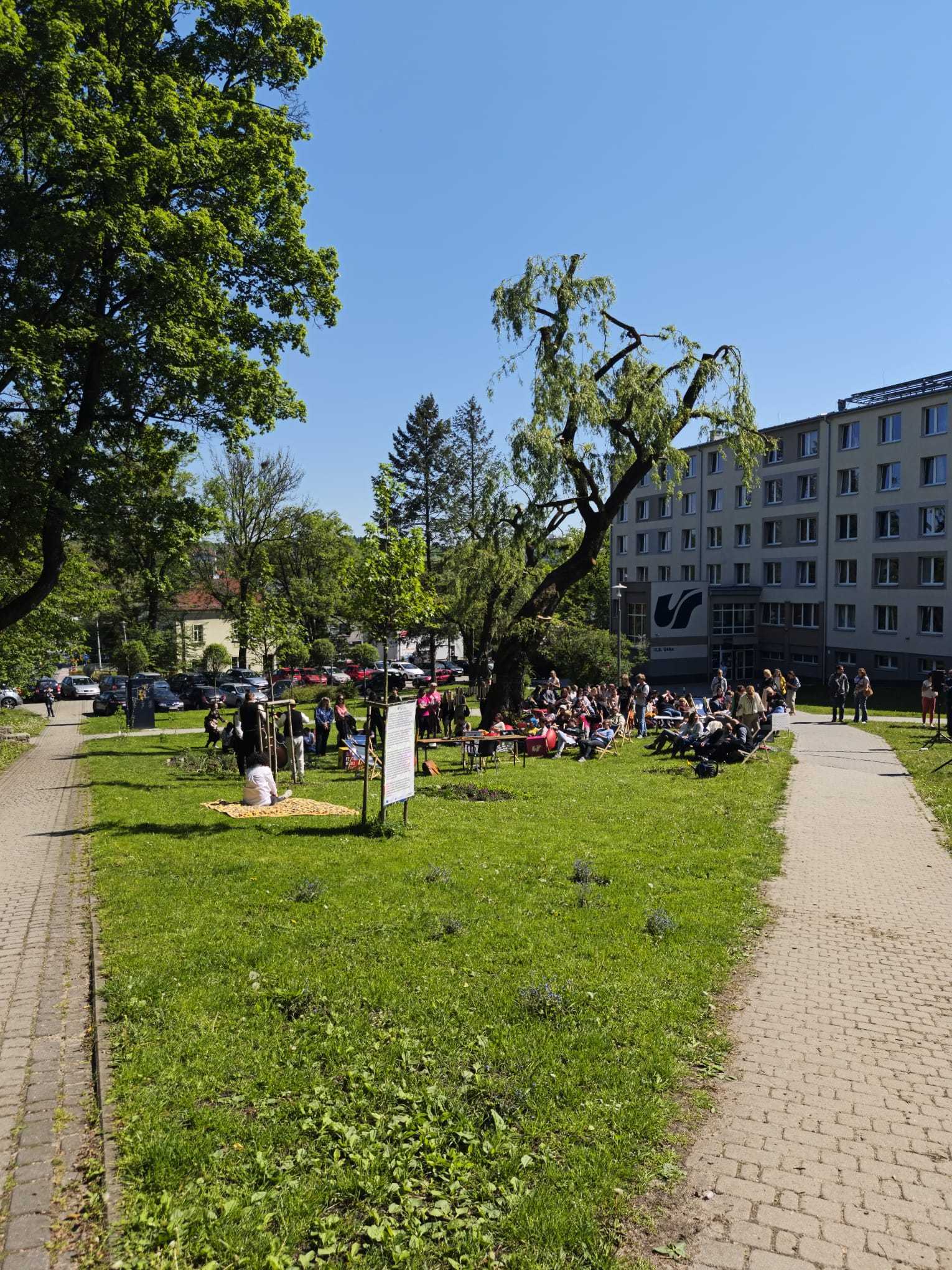
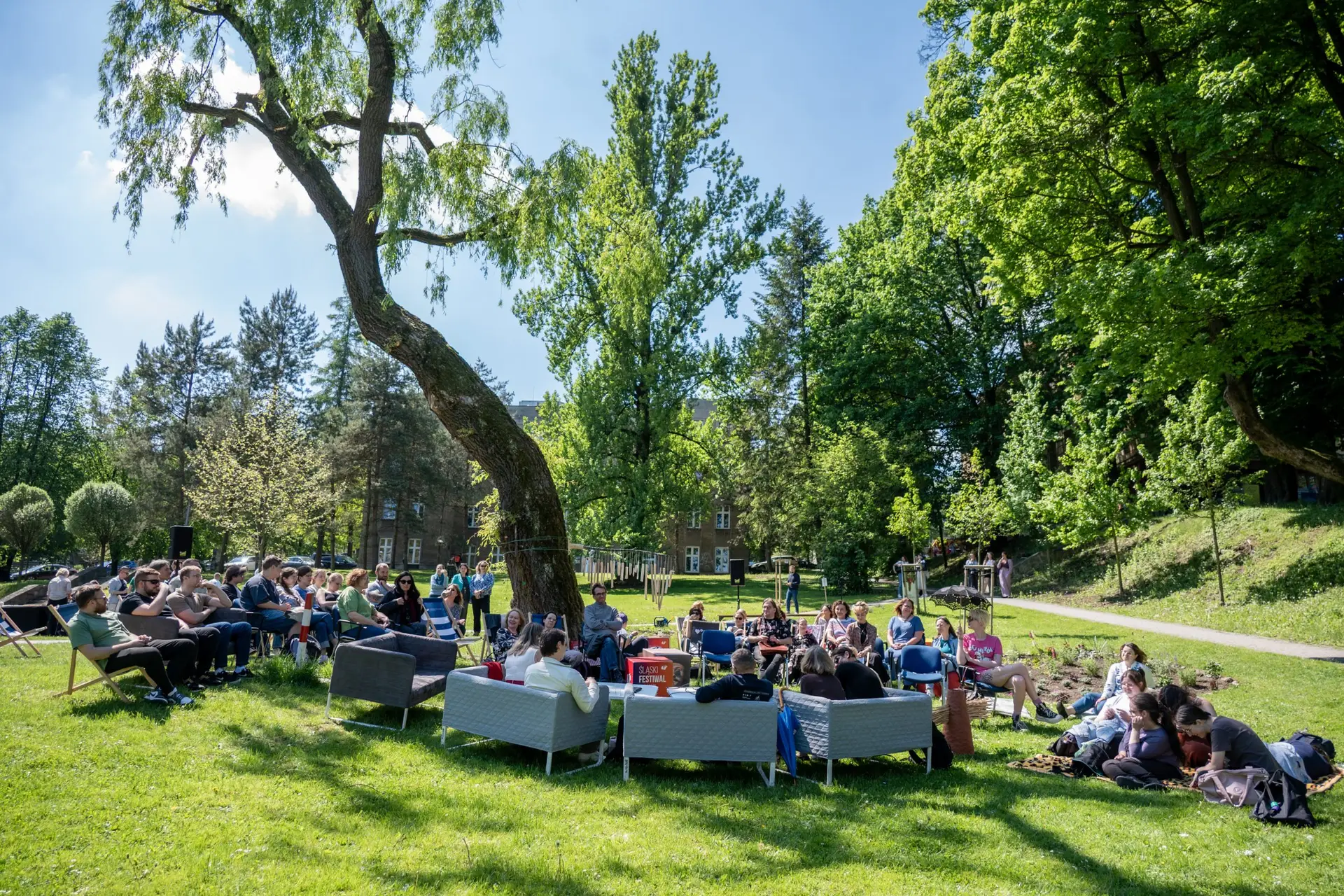
The symbolic opening of the ‘Garden of Stories’ – a place where people, history and nature come together – took place on 20 May 2026 on the campus of the University of Silesia in Cieszyn. The garden was created within the framework of Transform4Europe due to the need to return to local traditions and knowledge that formed part of the daily lives of many generations of the region’s inhabitants. We created it together – through the joint efforts of students from the Faculty of Arts and Educational Science of the University of Silesia, lecturers and researchers, and the local community.
The inspiration for the creation of the ‘Garden of Stories’ is the idea of the ‘borderland’ – a space where different worlds intertwine and complement one another. Just as diverse ecosystems meet in nature, so here the past and the present, academic knowledge and the experience of the local community, nature and culture come together.
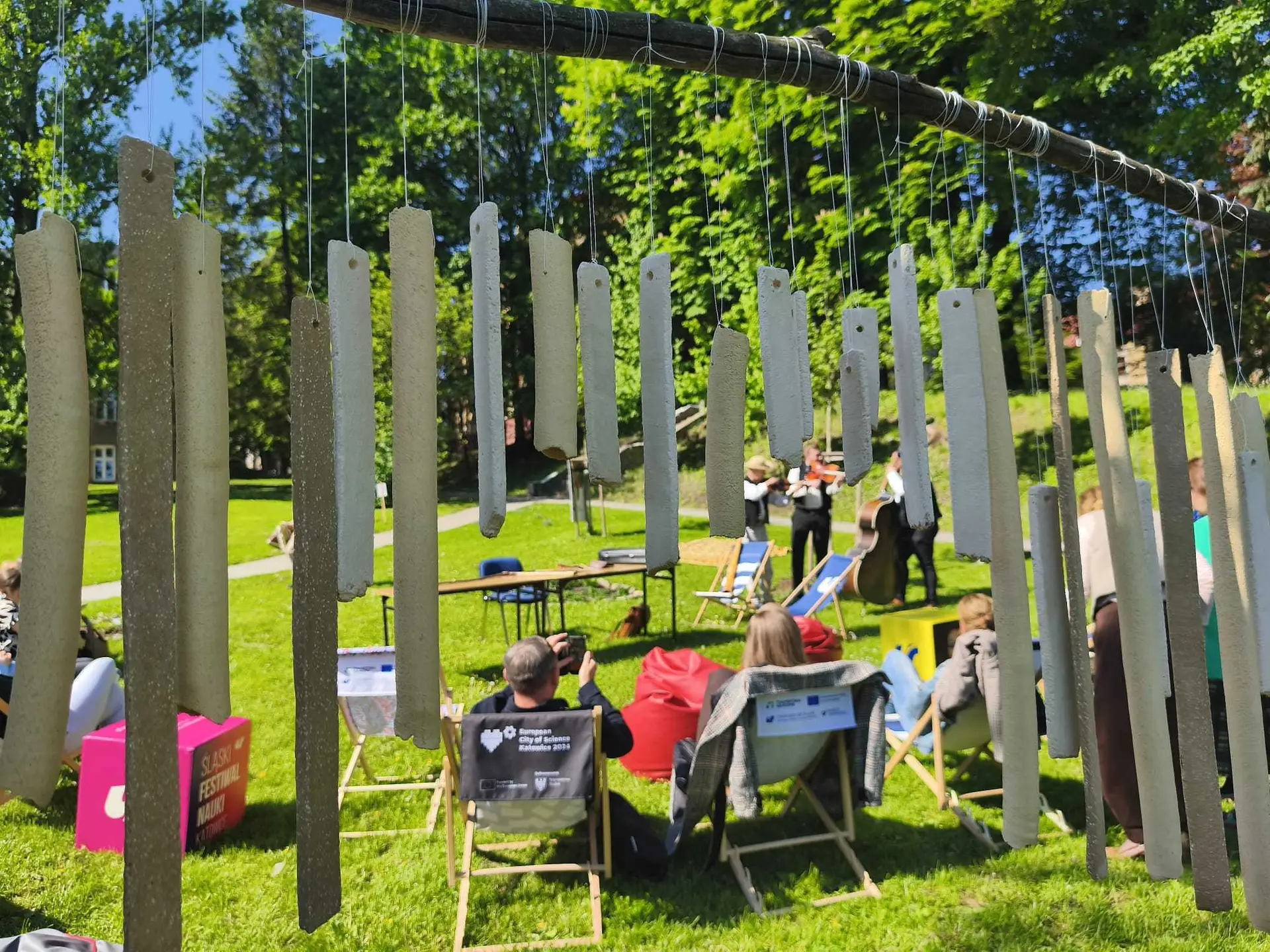
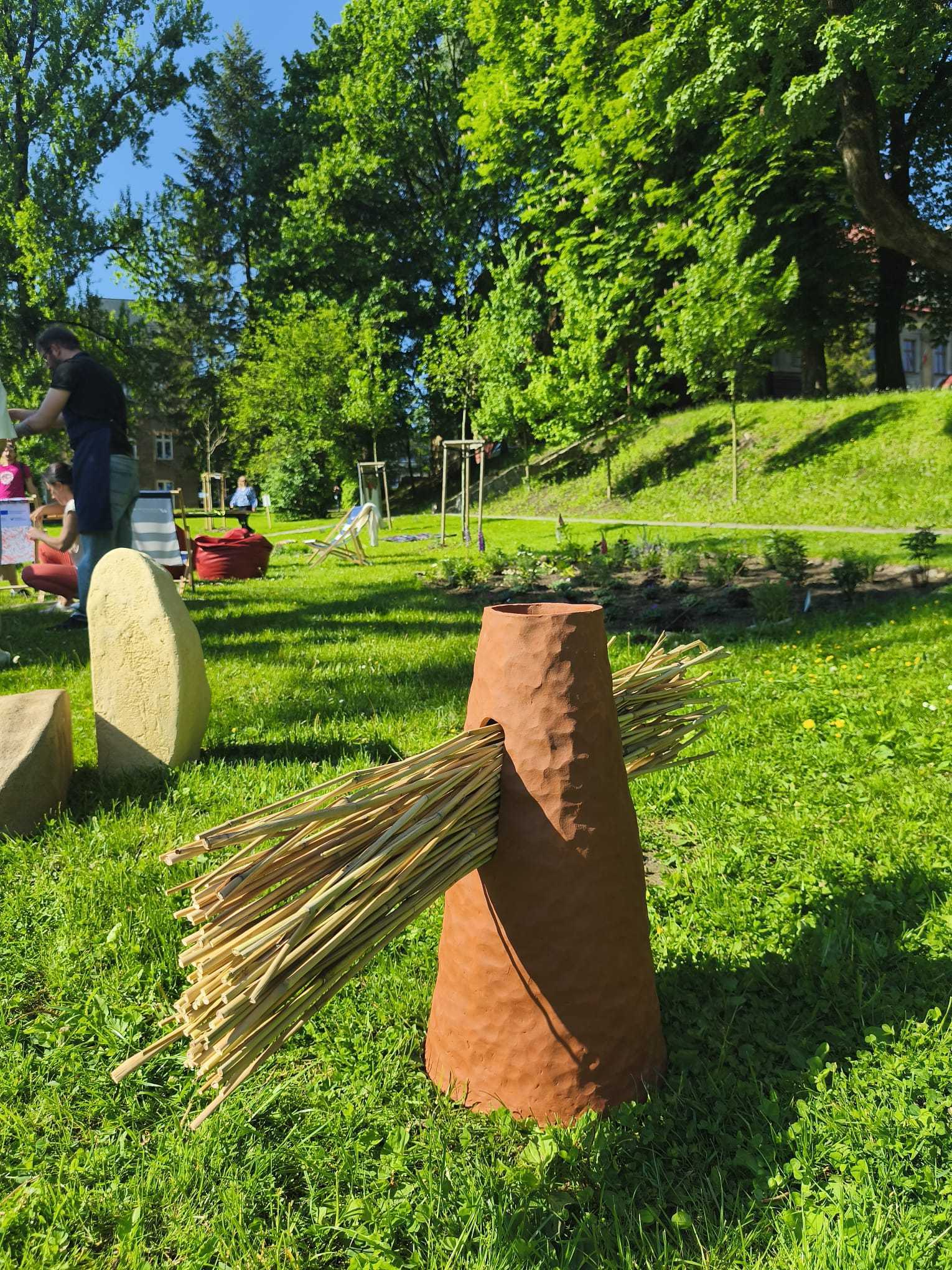
The stage of planting and creating the art installations was the result of a process lasting almost two semesters, involving students of ethnology and art education. The process included, amongst other things, an ethnobotanical walk, a workshop on the region’s herbal heritage, and a garden co-design workshop combined with an inspirational lecture led by a PhD student from the Universidade Católica Portuguesa. A group of ethnology students also conducted interviews with residents of Cieszyn about gardens, whilst art education students prepared artworks inspired by the Garden space.
The opening of the ‘Garden of Stories’ was accompanied by music workshops with Zbigniew Wałach, a promoter of Carpathian highlanders’ music and a maker of traditional musical instruments. The Garden also hosted a discussion among participants of the 8th Academic Debate, held under the theme: (Dis)obedience in science and art. The event concluded with the ‘Garden of Sound’, a musical meditation on memory, nature and inner balance. This was an original presentation of compositions by Adrian Robak, PhD, Associate Professor from the University of Silesia. More than 100 people visited the garden on 20 May.
The discoveries made by students of art education while walking around Cieszyn and observing domestic gardens, squares and other green spaces served as an additional source of inspiration. They created artistic works, presented in the form of an exhibition entitled ‘On the Threshold’ [pol. Na Progu]. The exhibition is open to visitors at the Cross-Border Tourist Information Centre in Cieszyn (ul. Zamkowa 1) until the end of June.
The symbolic opening of the garden marks the completion of the project, but the ‘Garden of Stories’ is only just beginning to grow, blossom and flourish.
The garden has been created thanks to the ‘Garden of Shared Memories’ project, implemented as part of the Transform4Europe Alliance and co-financed by the European Union’s Erasmus+ programme.
Student Garden at University of Silesia in Katowice
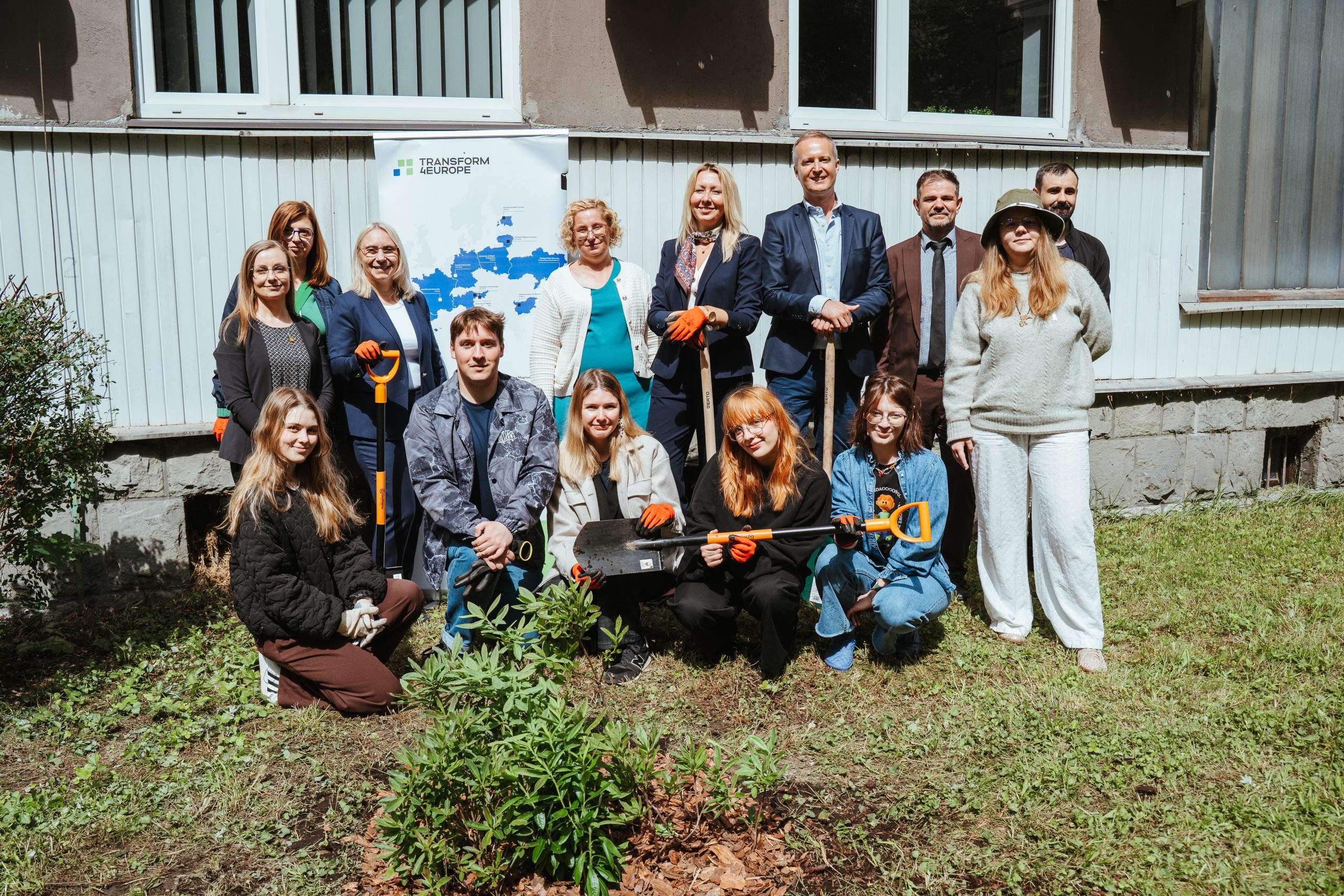
The Student Garden created as part of the Transform4Europe Green Campus initiative was officially opened on 15 June 2026 at the USil Faculty of Social Sciences located on ul. Grażyńskiego.
The event was opened by Prof. Małgorzata Myśliwiec, Dean of the Faculty of Social Sciences, who highlighted the importance of green campuses, student well-being, and shared responsibility for the academic environment.
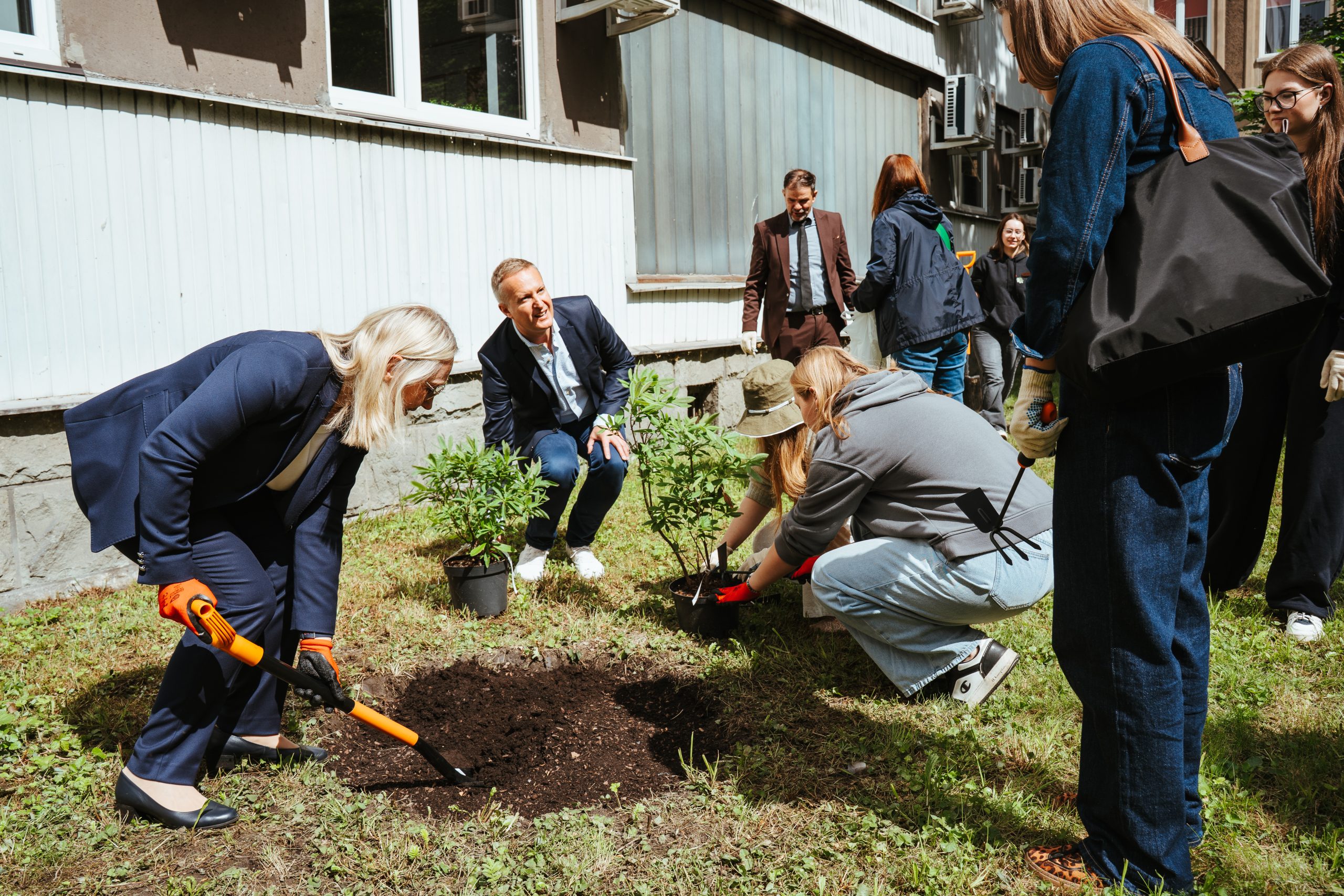
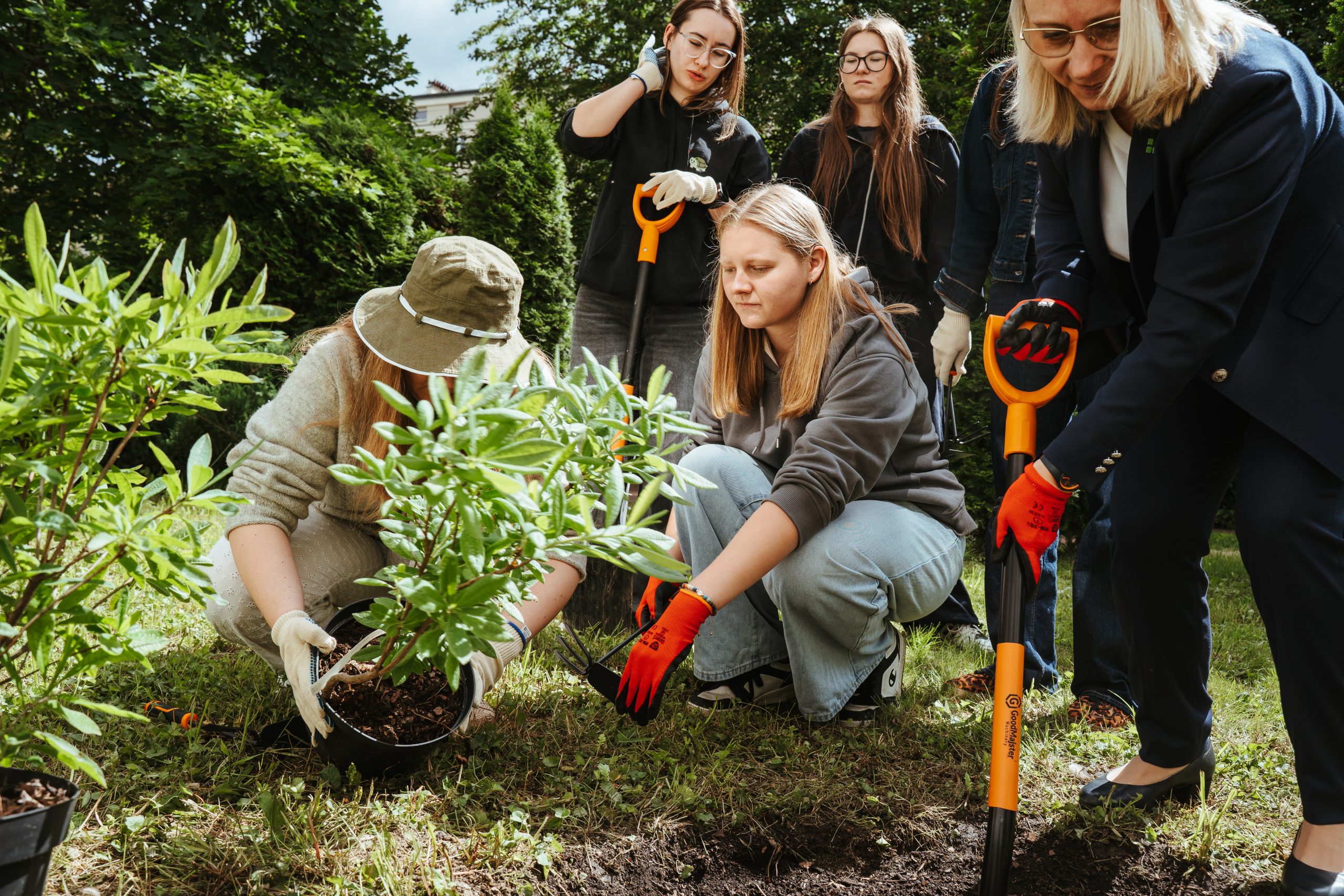
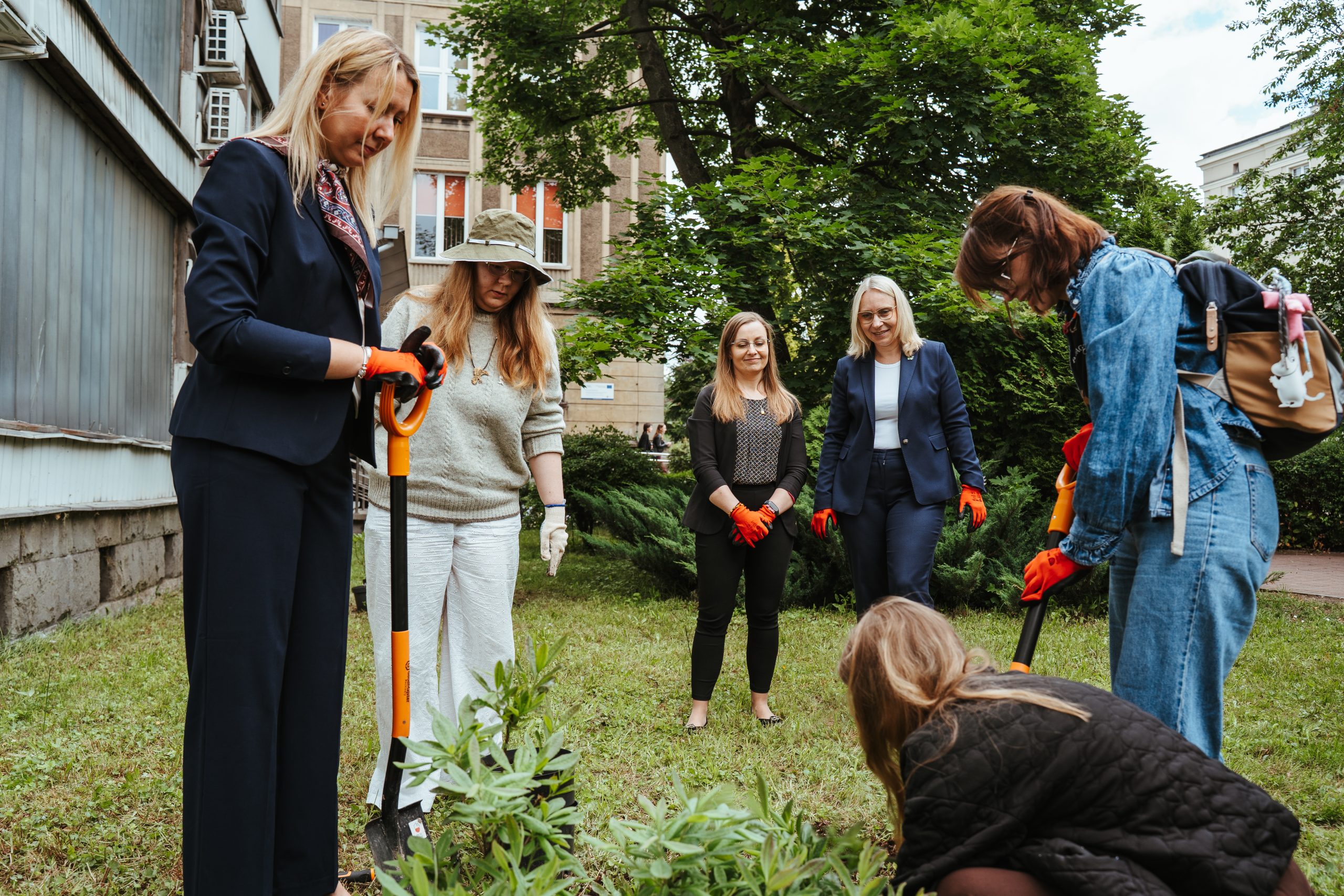
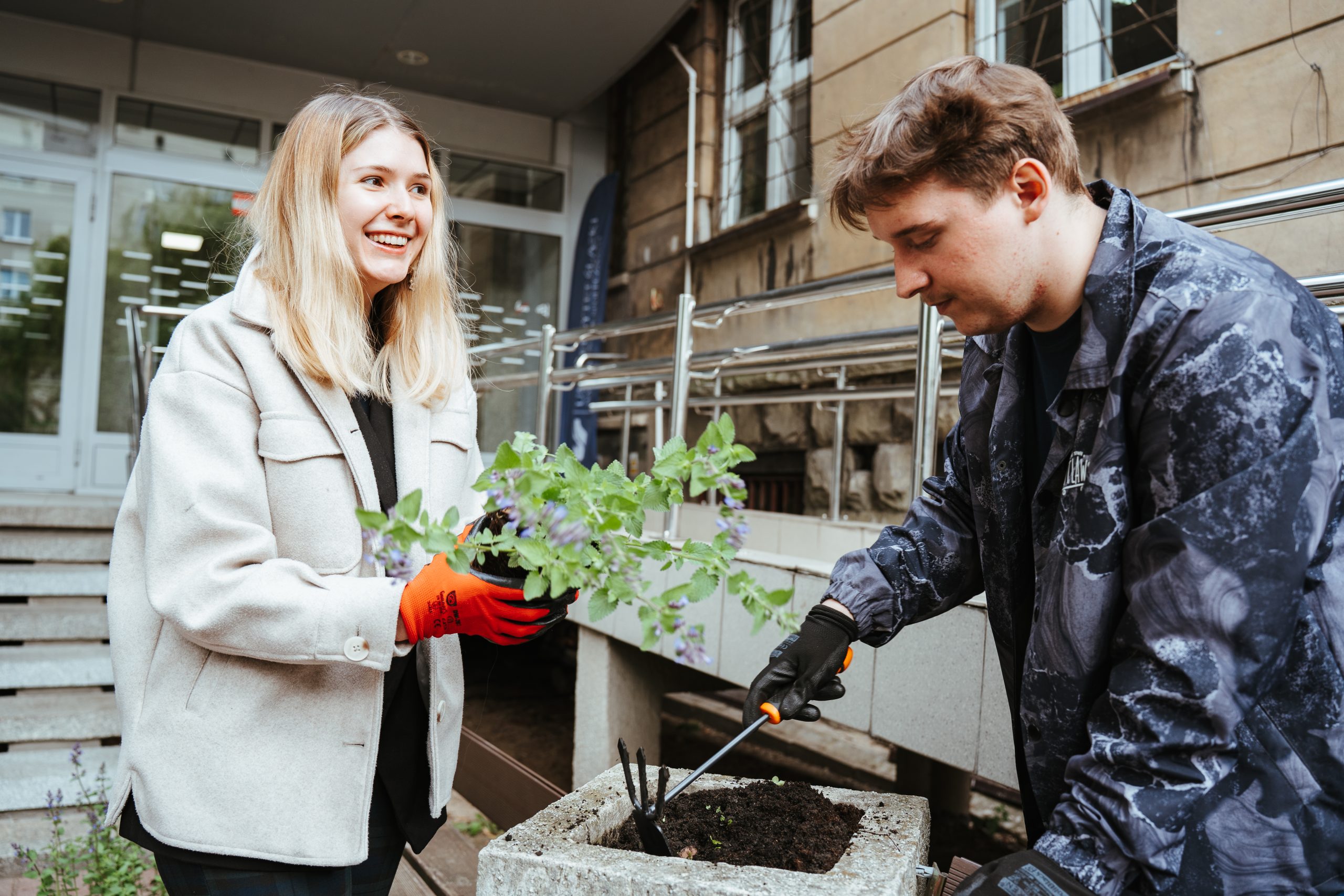
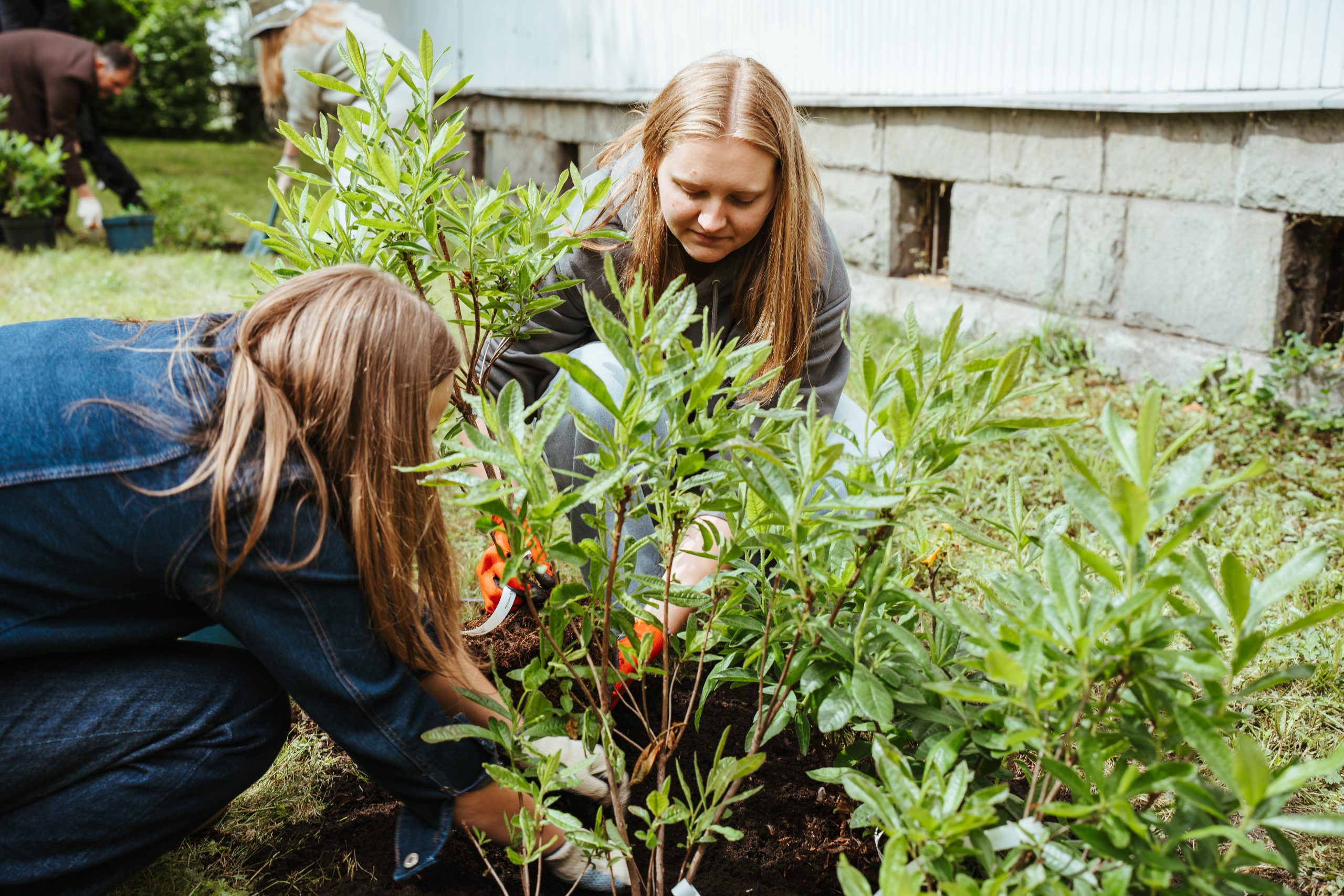
Students, academic staff, and faculty authorities then teamed up to do the gardening work. Among the species planted in front of the building were yellow azaleas and other plants selected in consultation with the USil Student Government and with the expert support of Teresa Nowak, PhD, Faculty of Natural Sciences.
The event also featured a lecture Horticultural Therapy – How Contact with Plants Supports Mental Health, delivered by Lucie Zormanova, PhD.
Student Garden goes beyond a new green space; it is an example of how education, environmental responsibility, and community engagement can come together in one place. By designing and creating this space together, students gain hands-on experience, build a sense of agency, and help shape the campus they use every day.
The Student Garden is only the beginning; we hope that this place will grow alongside the Faculty of Social Sciences community and remain a place for collaboration, socialising, well-being, and environmental care for years to come.