
BIOVERTE Project Receives Funding Under Erasmus Mundus Joint Masters
‘BIOVERTE – Applied Biodiversity Management and Resilient Ecosystem Transitions’
About
The University of Silesia in Katowice, the University of Trieste, and Vytautas Magnus University in Kaunas have been awarded funding to implement the project ‘BIOVERTE – Applied Biodiversity Management and Resilient Ecosystem Transitions’ under the Erasmus Mundus Joint Masters programme.
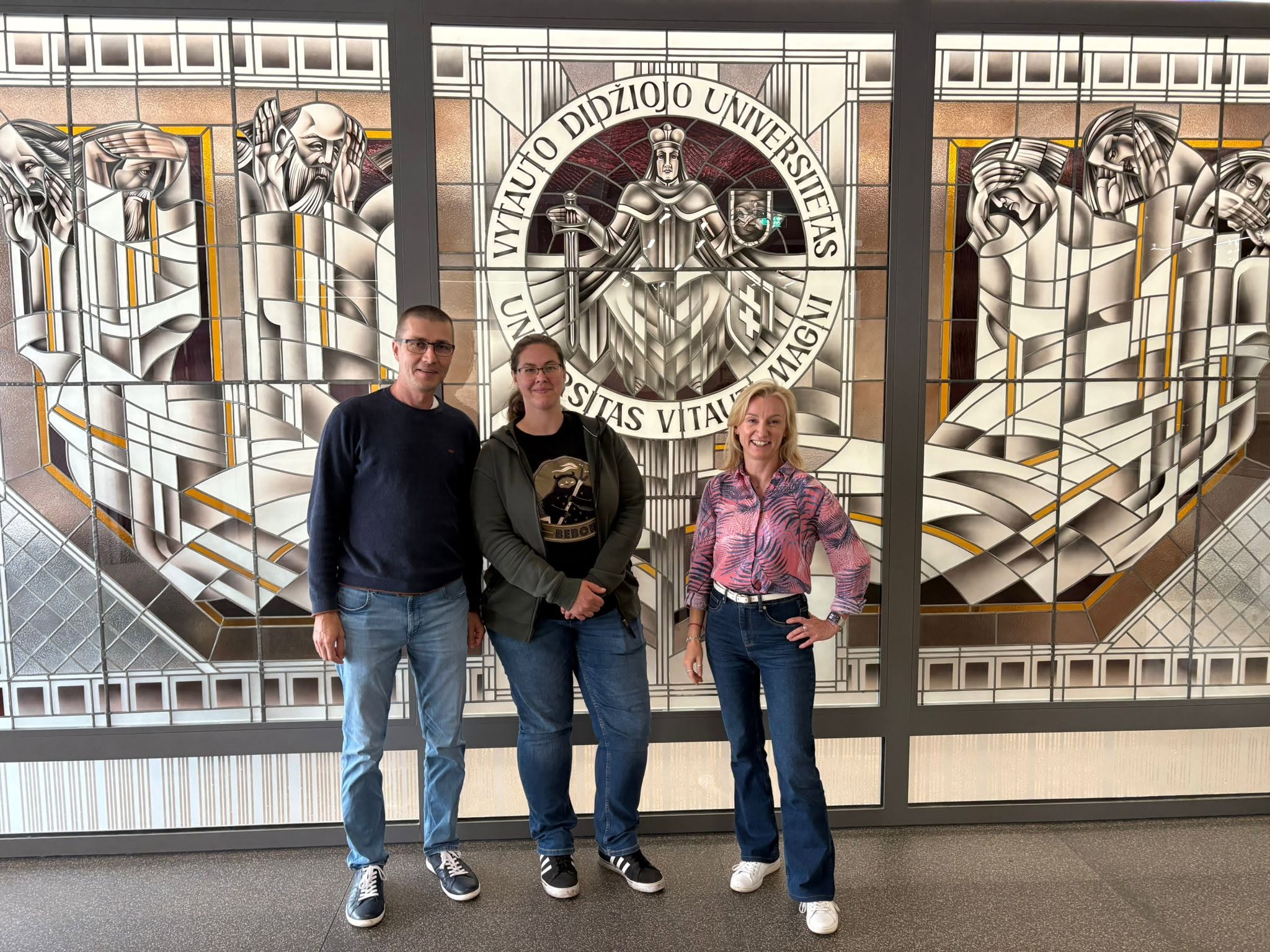
Out of 199 applications submitted, the European Commission selected 37 projects for funding, including BIOVERTE. The University of Silesia is the consortium leader, and the project coordinator is Marcin Lipowczan, PhD, Associate Professor at the University of Silesia. Prof. Giovanni Bacaro is responsible for the project’s implementation at the University of Trieste, and Prof. Anželika Dautartė is in charge at Vytautas Magnus University.
The project aims to establish a joint master’s programme (120 ECTS) delivered by the three partner universities. The curriculum will combine knowledge in the fields of biodiversity conservation, environmental management, economics, and science communication. Integral components of the programme will include mandatory mobility between Poland, Lithuania, and Italy, field and laboratory classes, project-based learning, and internships with external partners. Admission for the programme will open in the 2027/2028 academic year.
‘We want to prepare graduates not only to understand the challenges of climate change and environmental protection, but also to make decisions, manage the environment, and effectively communicate scientific knowledge’, says Marcin Lipowczan.
Each of the universities contributes its strongest areas of expertise to the programme. The University of Silesia is responsible for issues related to post-industrial environmental management, Trieste covers the economic aspects, and Vytautas Magnus University builds the foundation of knowledge in biology and environmental protection. This has allowed the partners to create a cohesive curriculum that leverages the unique strengths of all three institutions.
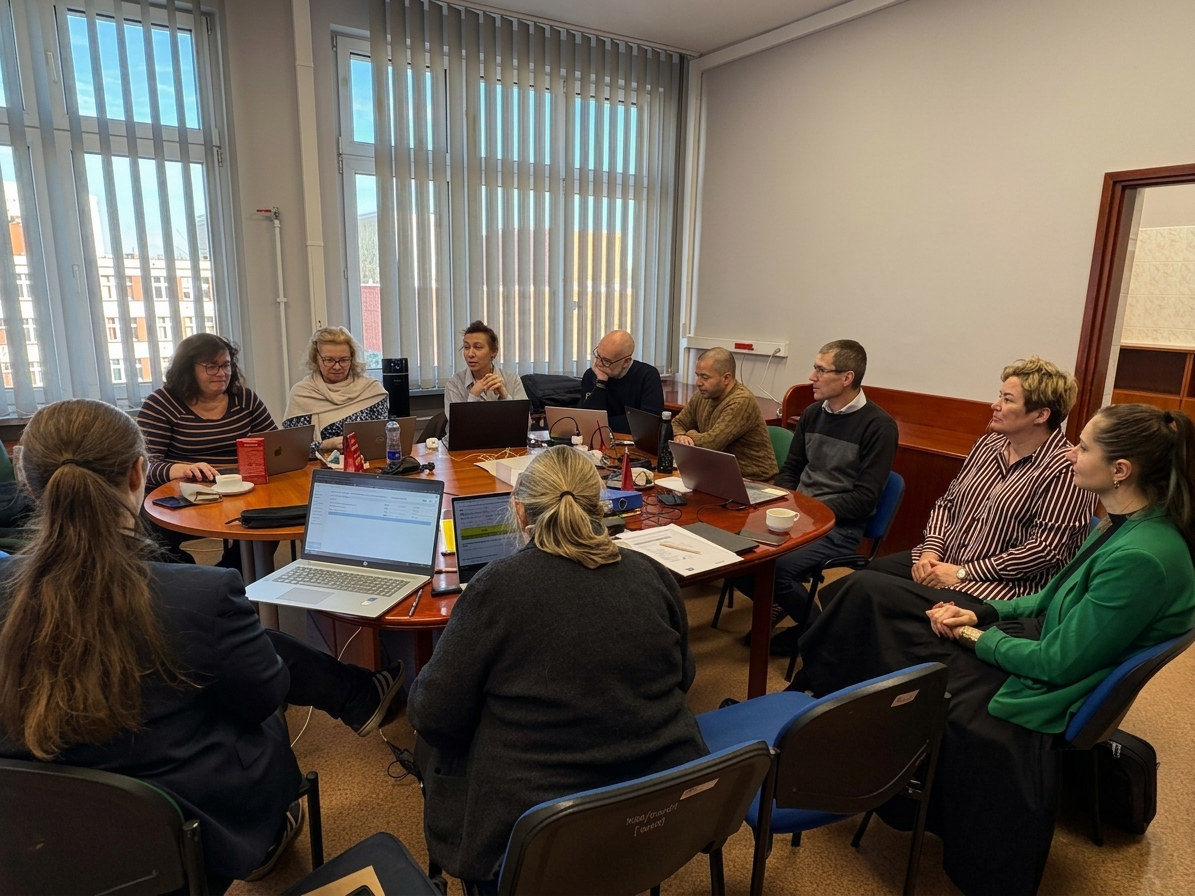
‘Work on the project began within Transform4Europe. It was the Alliance itself that acted as the catalyst to bring our universities together. Environmental issues affect all of Europe, which is why education in this field should also have an international dimension. We met and built the curriculum step-by-step over several years, and today we can say that our partners from Lithuania and Italy have become our friends’, says Marcin Lipowczan.