

New Collaborations for Research and Teaching
22 September 2026 | Saarland University, Germany
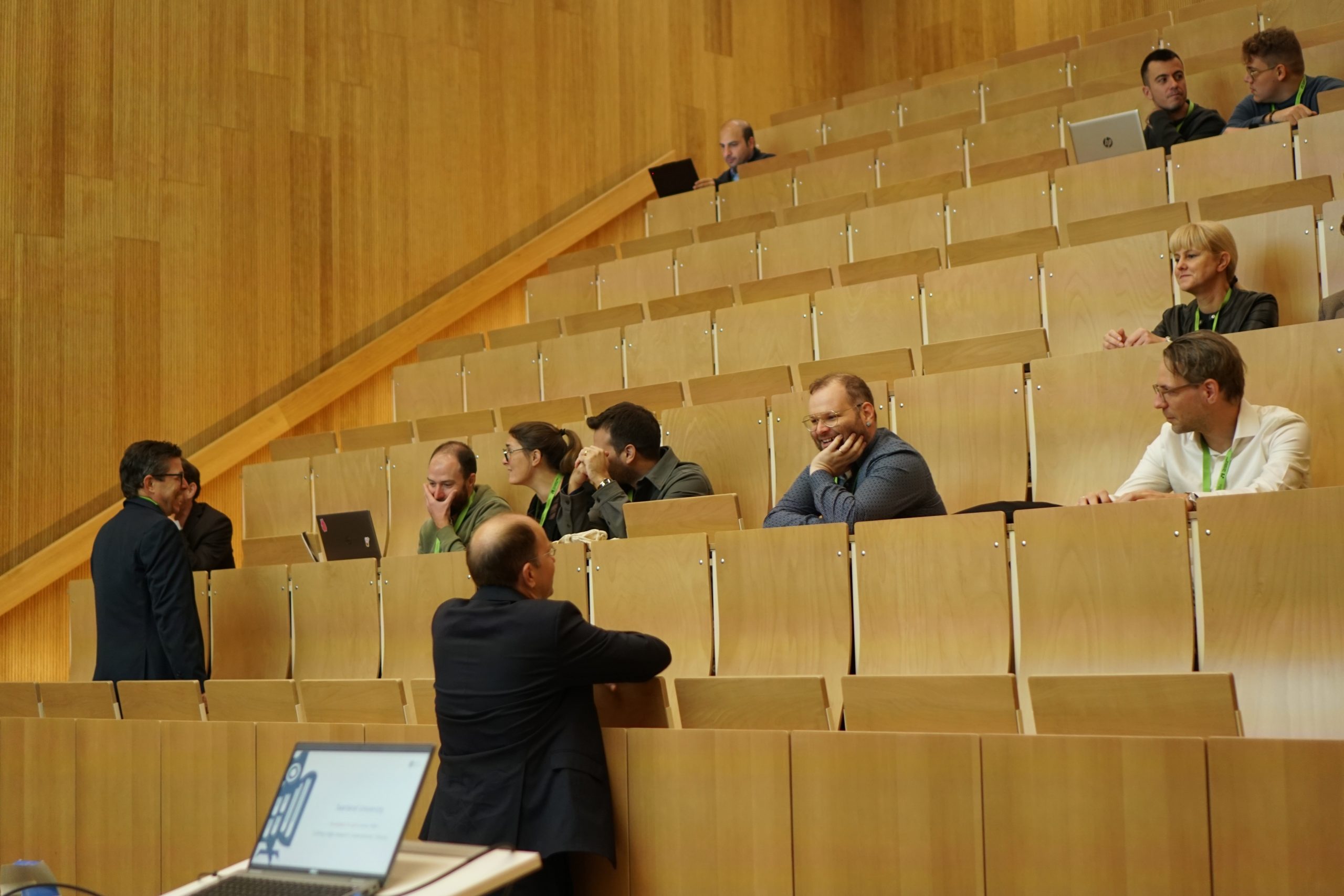
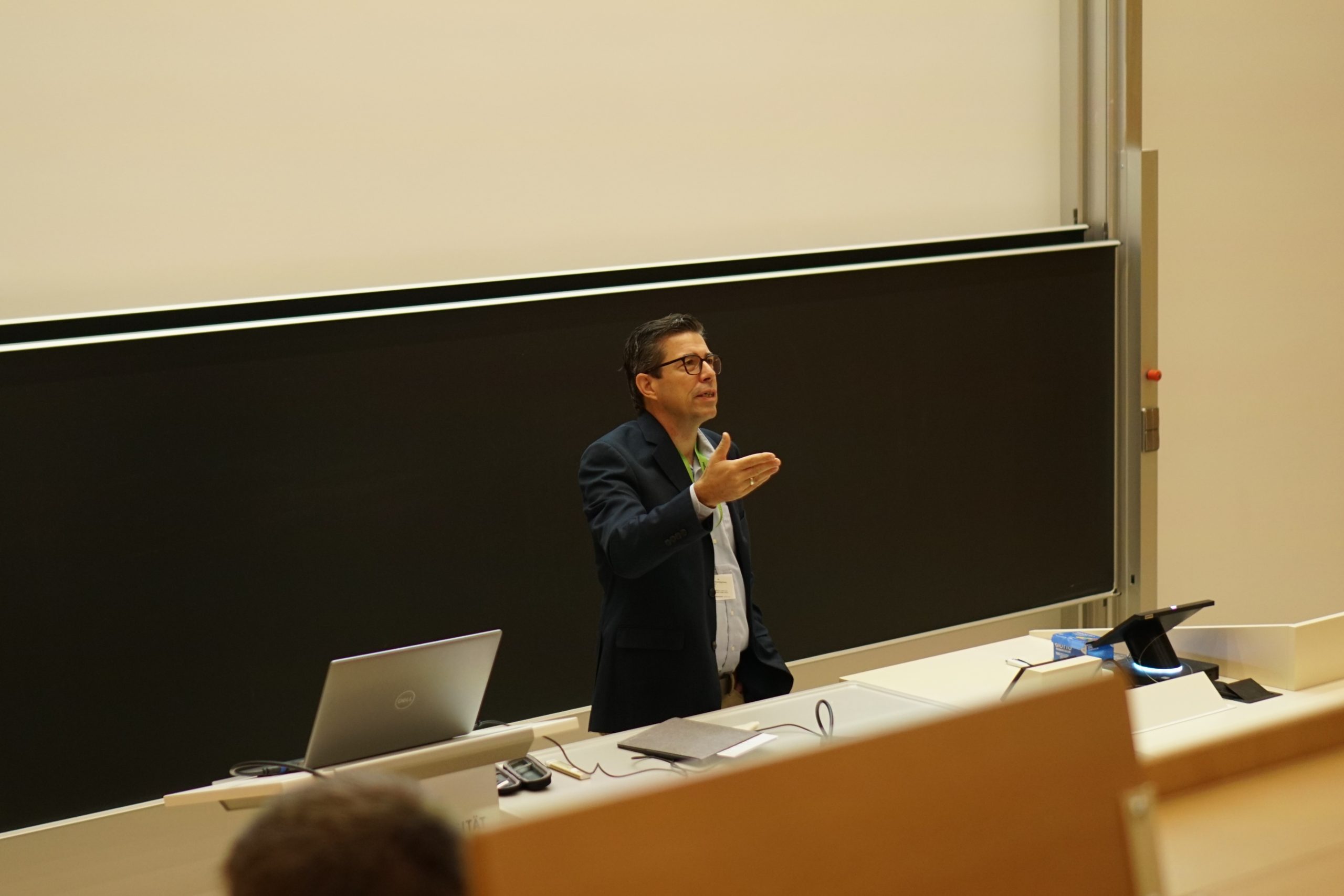
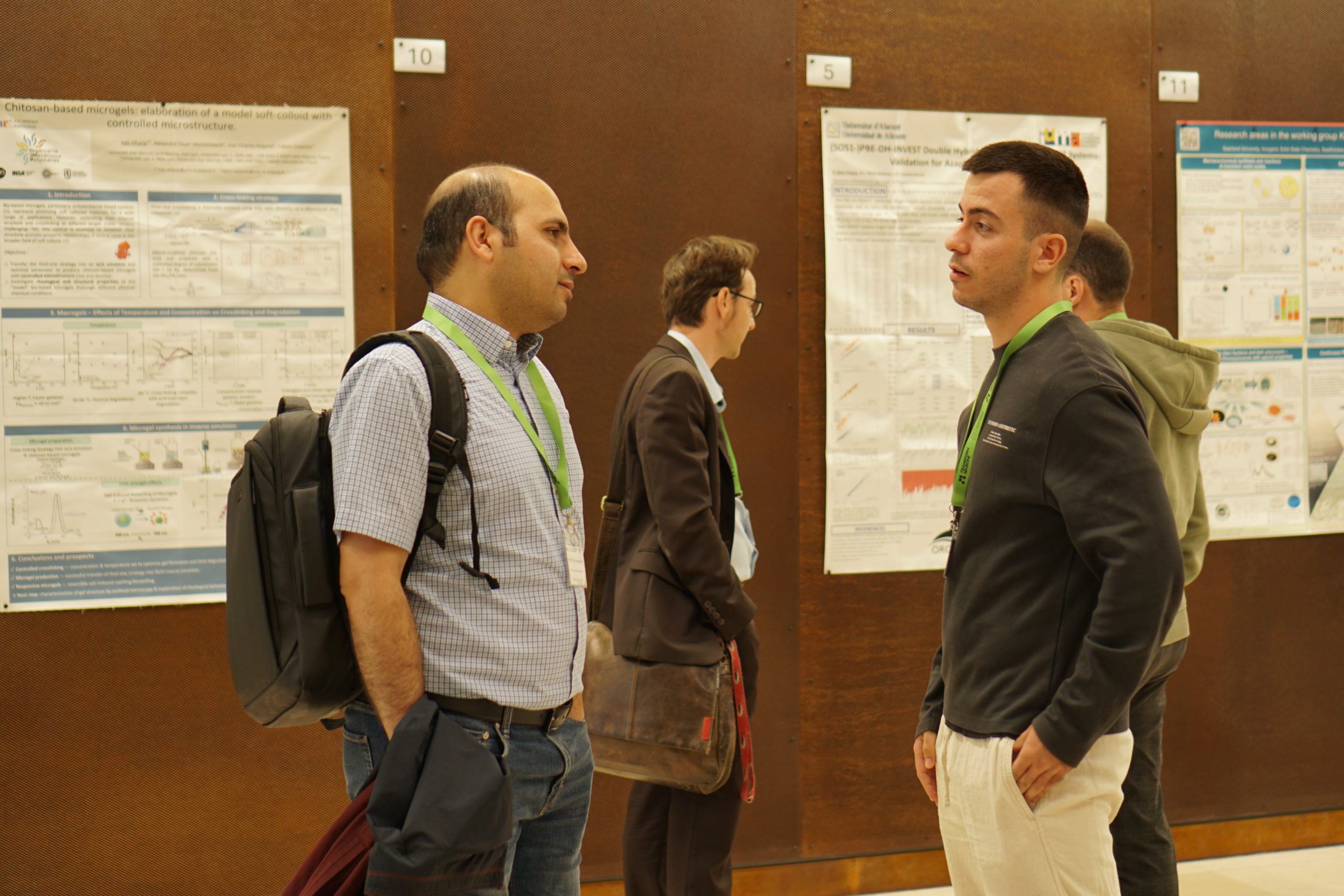
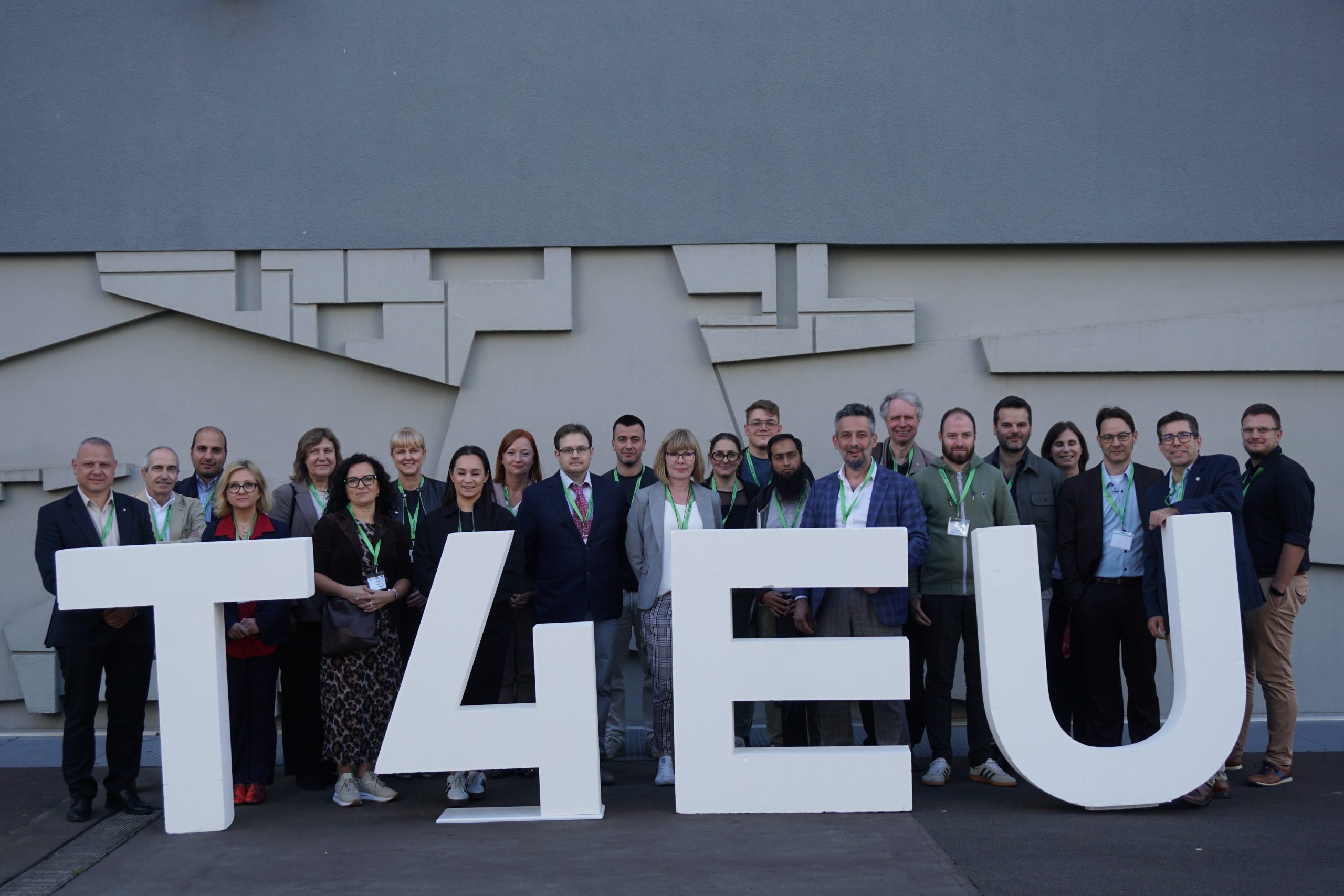
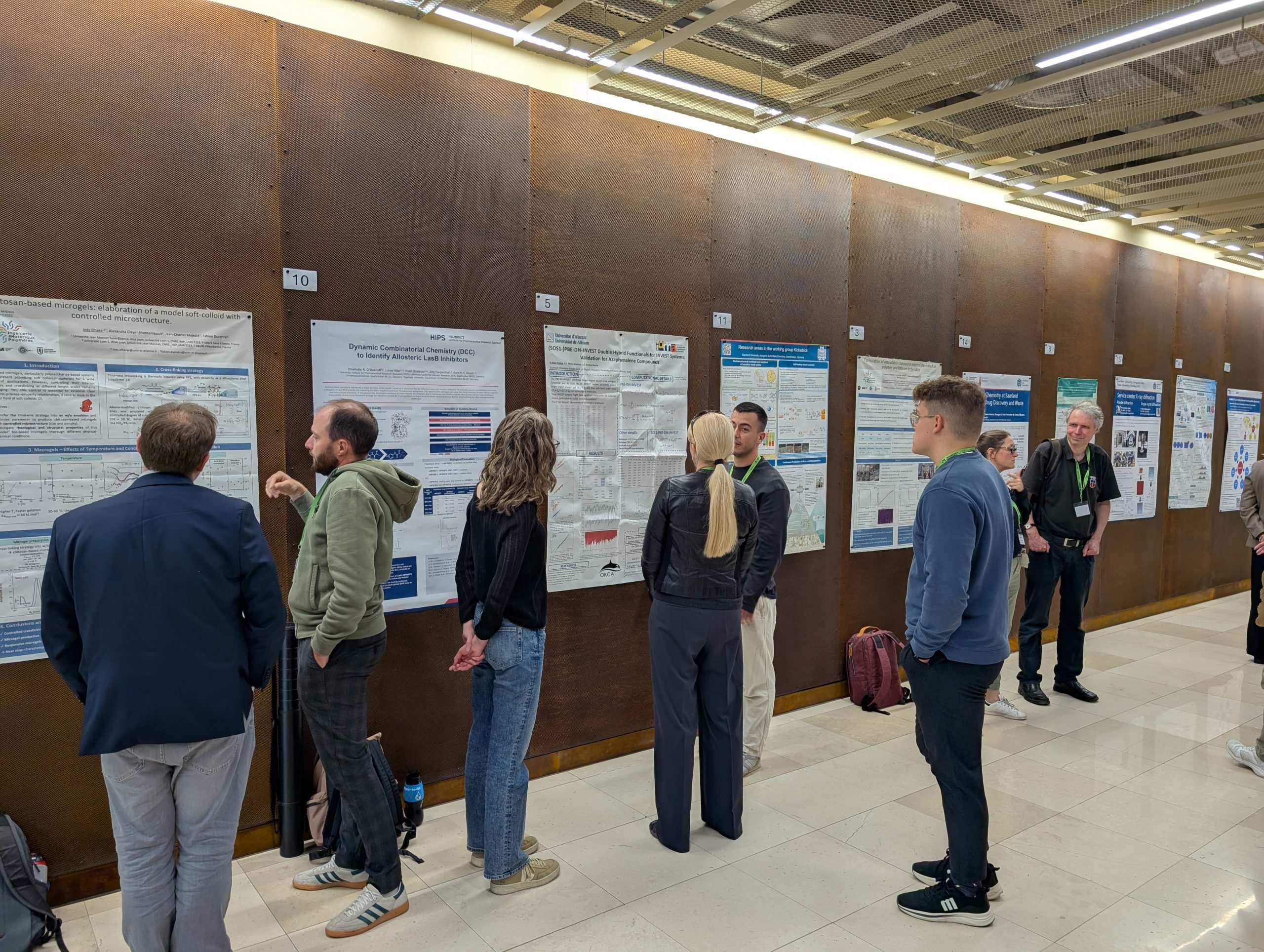
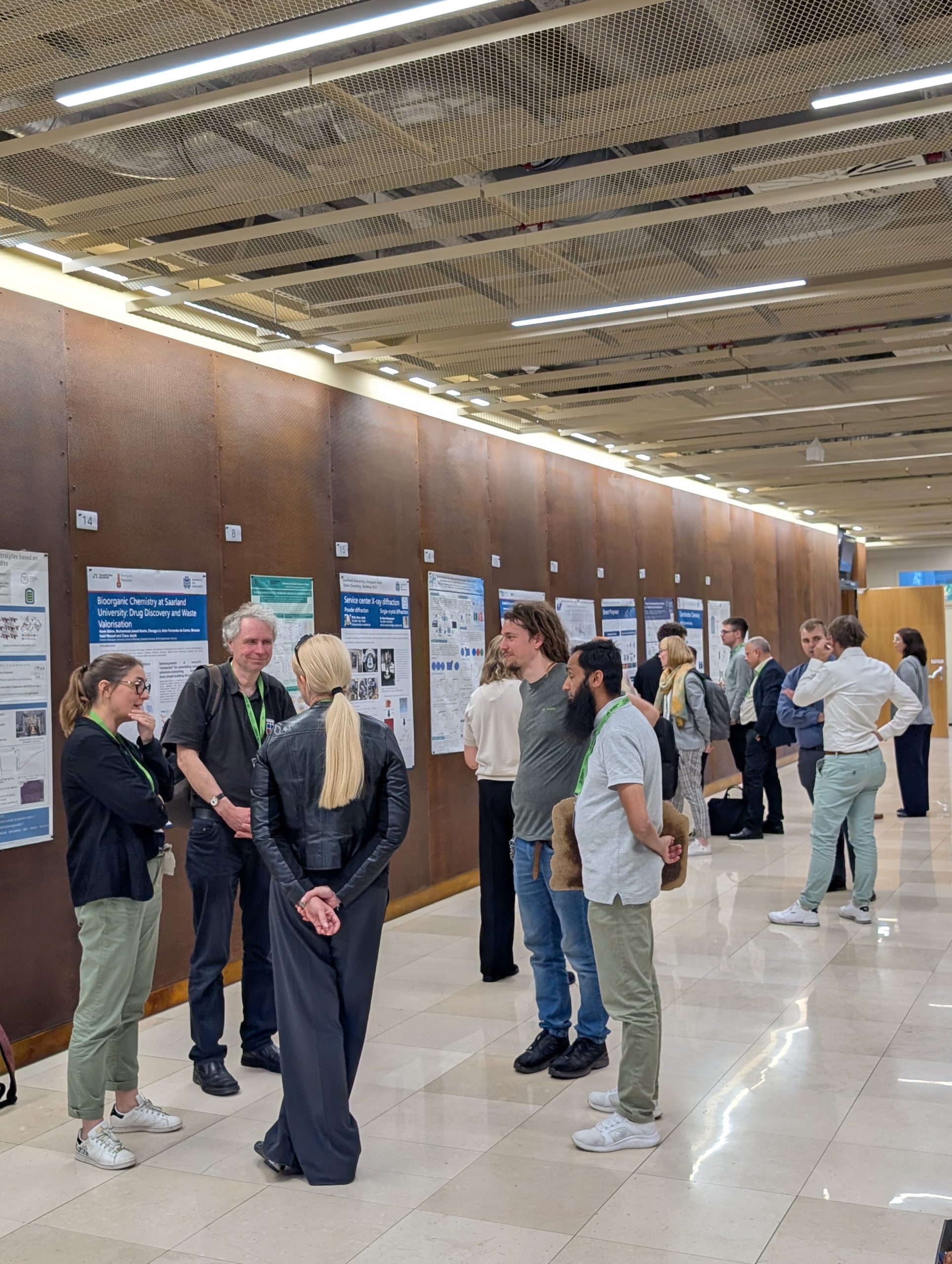
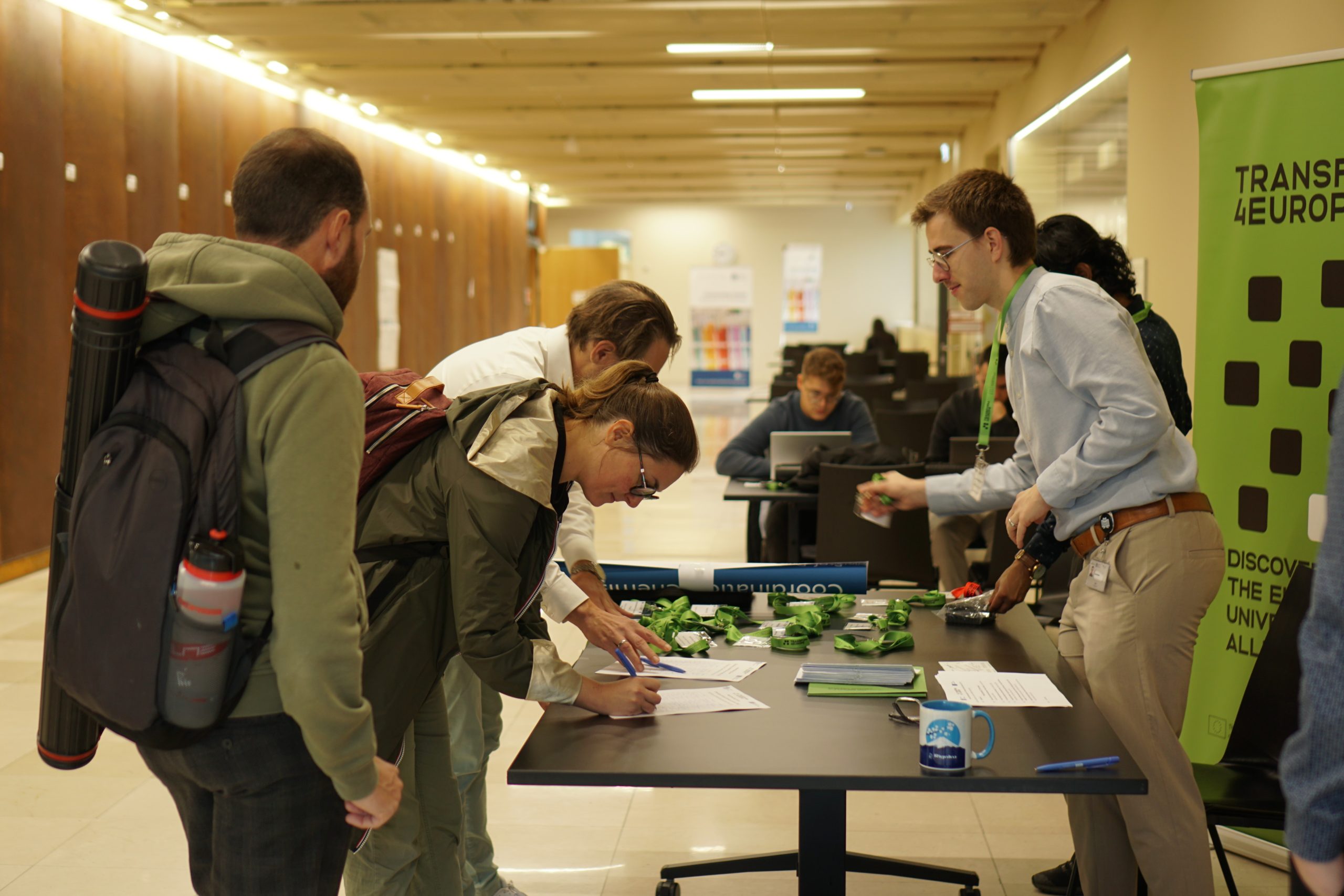
At the T4EU Chemistry and Related Sciences Matchmaking event on 22 and 23 September at Saarland University, researchers from the Alliance’s partner universities were invited by Prof. Guido Kickelbick to come together to explore research activities, degree programmes and opportunities for collaboration in the fields of chemistry and materials science. The programme included special lectures, presentations on research infrastructure and a poster session showcasing current research projects. In addition, representatives of the Alliance provided information on mobility programmes, funding opportunities and tools for research networking within T4EU.
There was considerable interest in deeper collaboration across university boundaries and the related opportunities for joint funding.
Lukas Redemann González, local coordinator of the T4EU Alliance in Saarbrücken, sums it up positively:
“It’s great to see how many different disciplines within chemistry are coming together here. It’s particularly encouraging that the participants want to turn the contacts they’ve made into concrete collaborations straight away.”
The participants also highlighted the benefits of face-to-face interaction. Rasa Žūkienė from Vytautas Magnus University in Kaunas emphasised the opportunity to get to know other researchers and to identify interdisciplinary crossover points for future projects. For Ivana Stanimirova–Daszykowska from the University of Silesia in Katowice, the particular value of such meetings lies in face-to-face interaction: “Networks are not built through the exchange of emails. Direct contact lays the foundation for future international collaboration.”
António Rangel and Raquel Mesquita from the Universidade Católica Portuguesa also emphasised that these contacts could lead to concrete projects. They see the newly formed network as an important starting point for joint European funding applications, for example within the framework of Horizon Europe. Interdisciplinary and internationally diverse consortia, in particular, are likely to have a good chance to succeed. Accordingly, they have already proposed a follow-up meeting in Porto next year to continue the discussions that have been initiated.
Finally, the participants identified specific areas of interest for further joint activities. The matchmaking event has thus successfully laid the foundations for new international collaborations in research and teaching within the Transform4Europe Alliance.