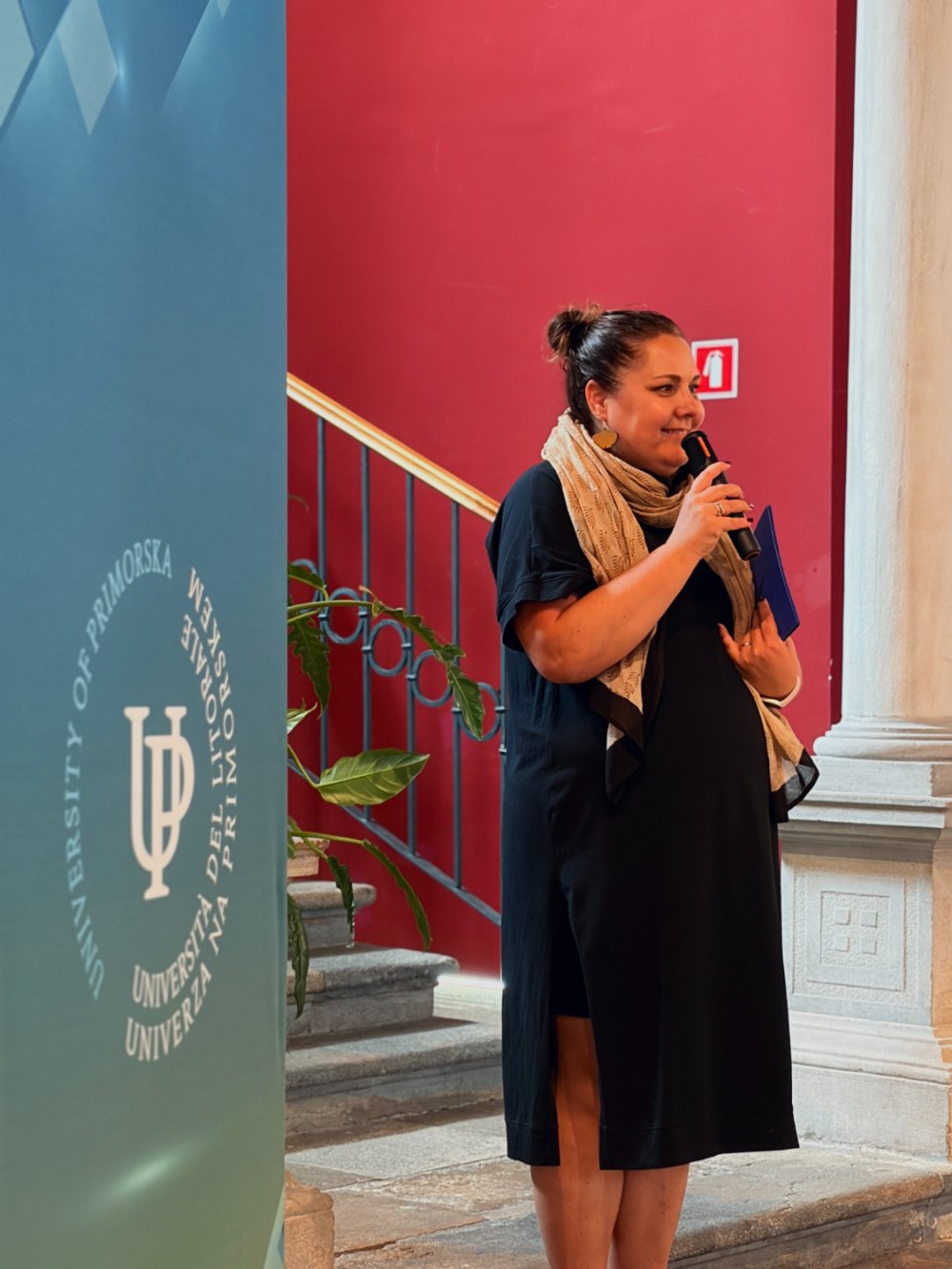
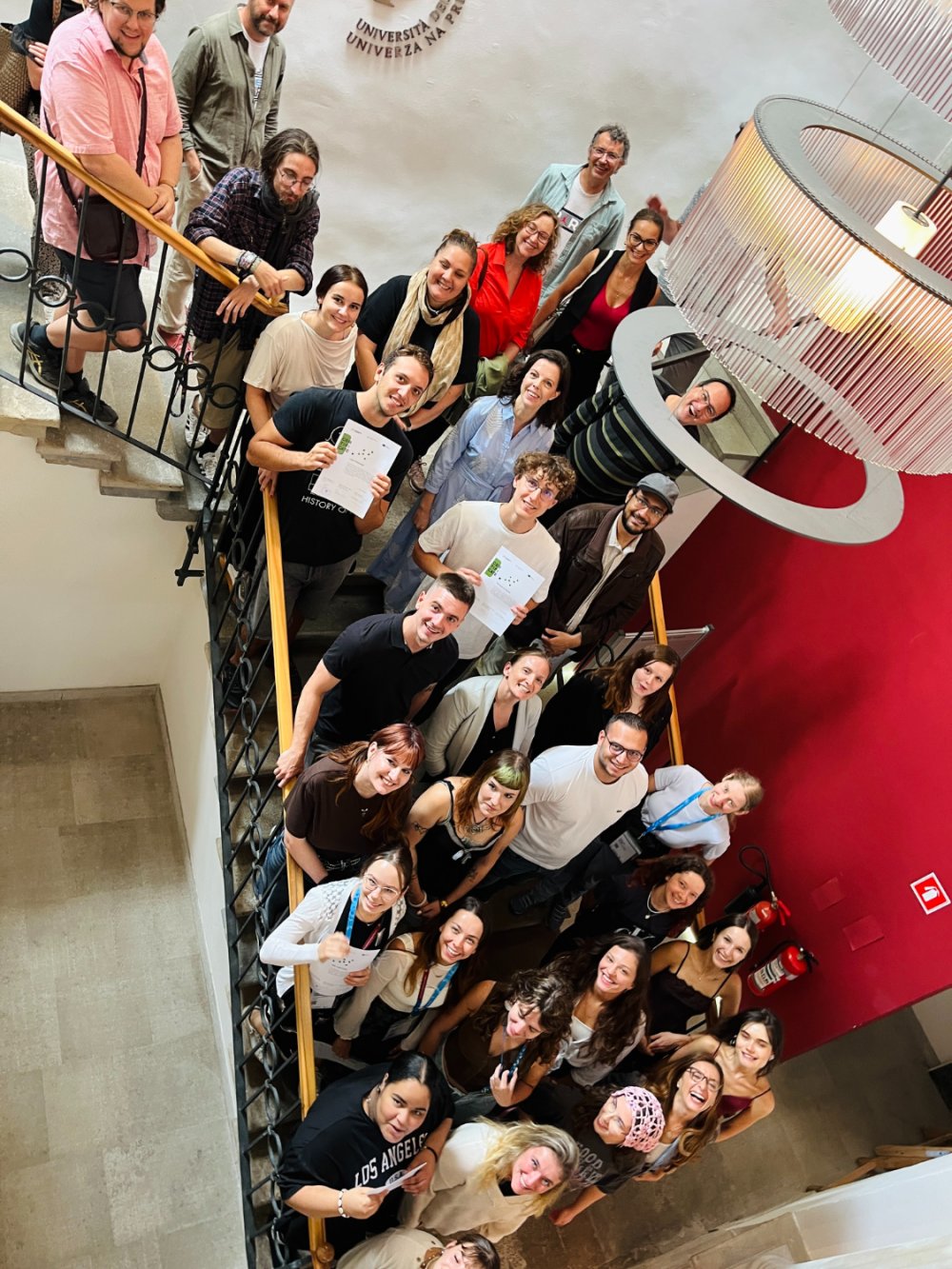
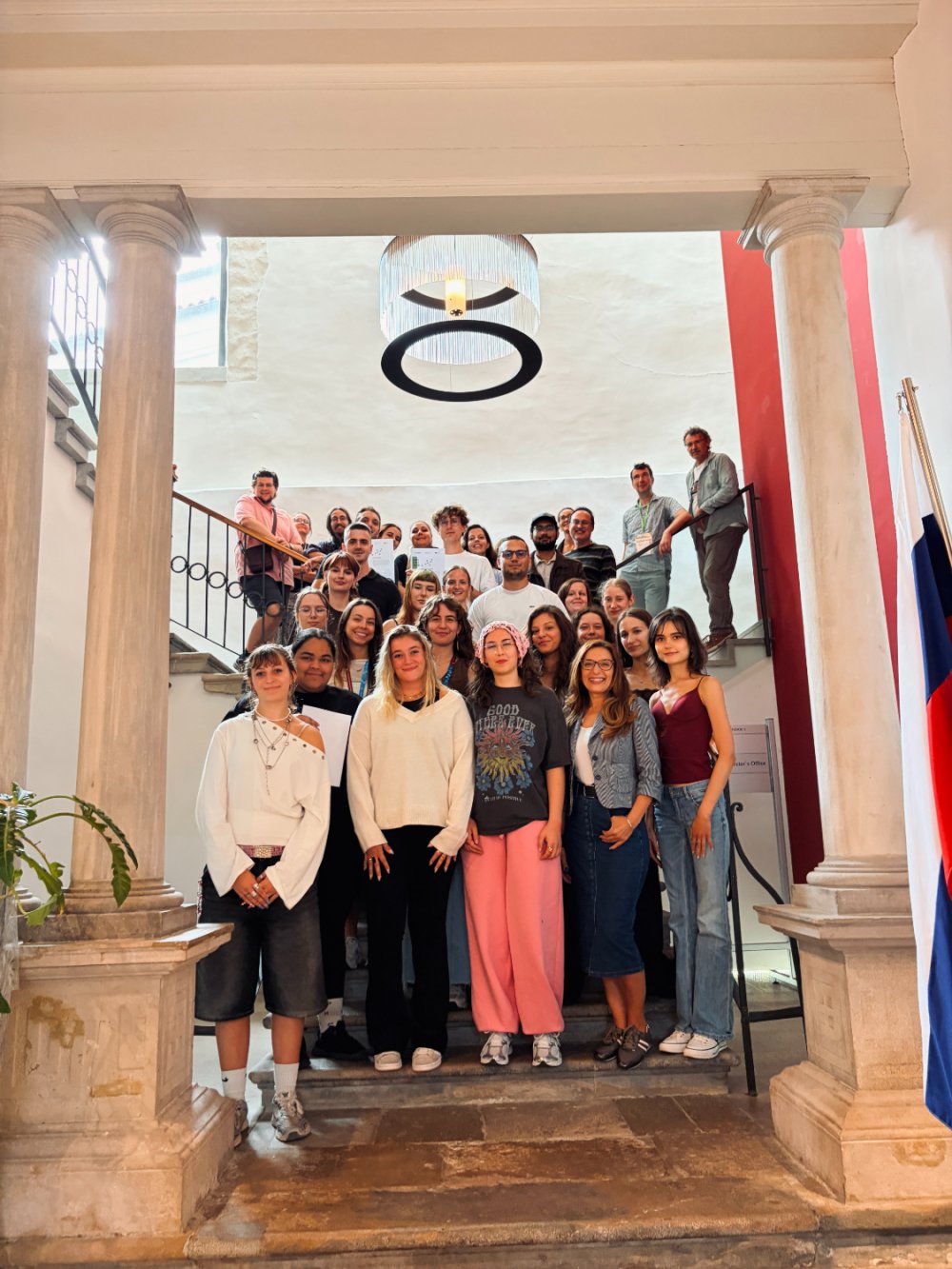
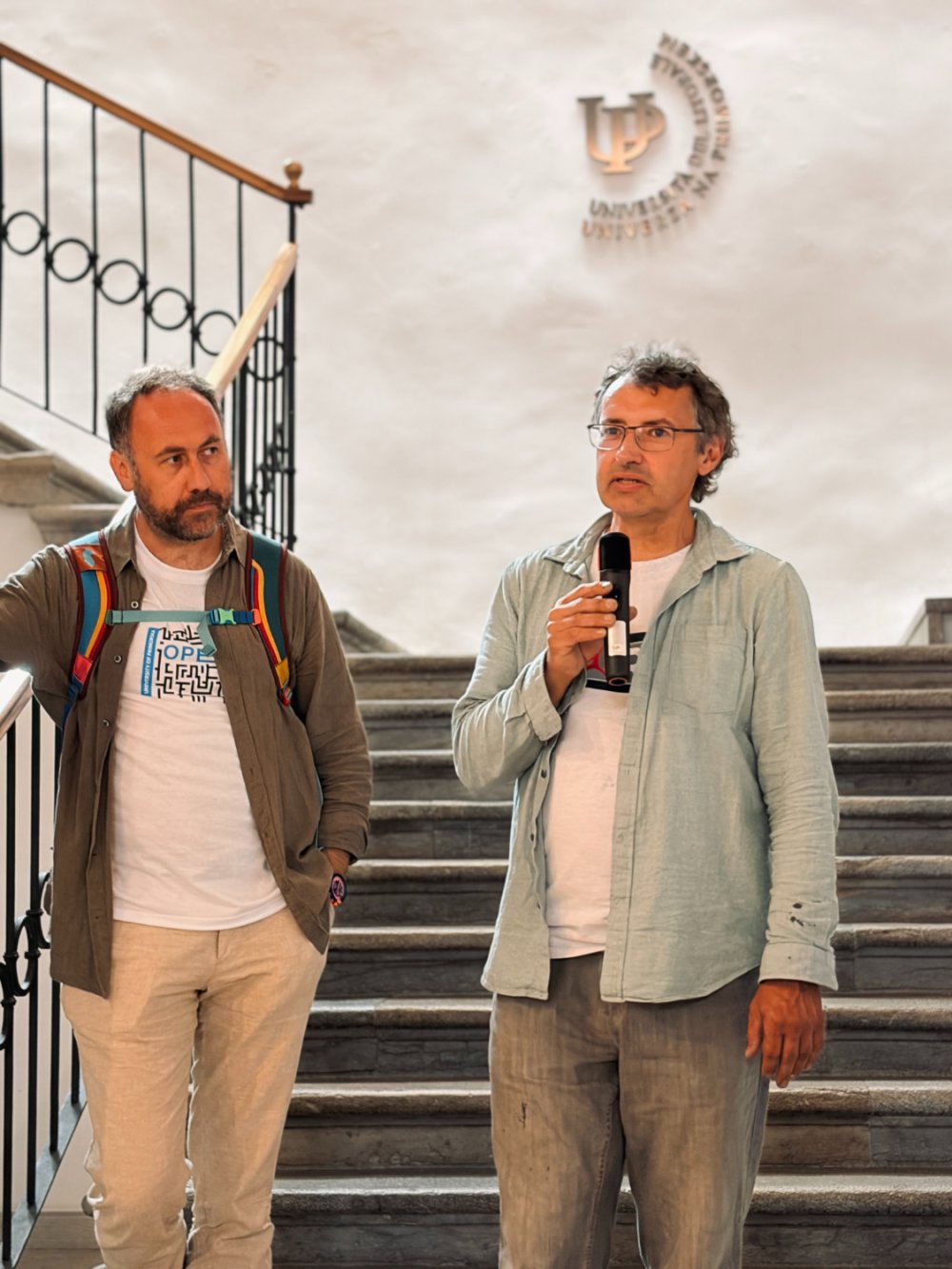
Held between 8 and 11 September, the T4EU Festival of Culture and Languages at the University of Primorska gave participants from partner T4EU universities a fascinating introduction to Istria and its cultural heritage, reflecting the unique character of the region in which the university is based.
Participants engaged with Istria’s cultural and linguistic richness while developing their own perspectives through one of three workshops:
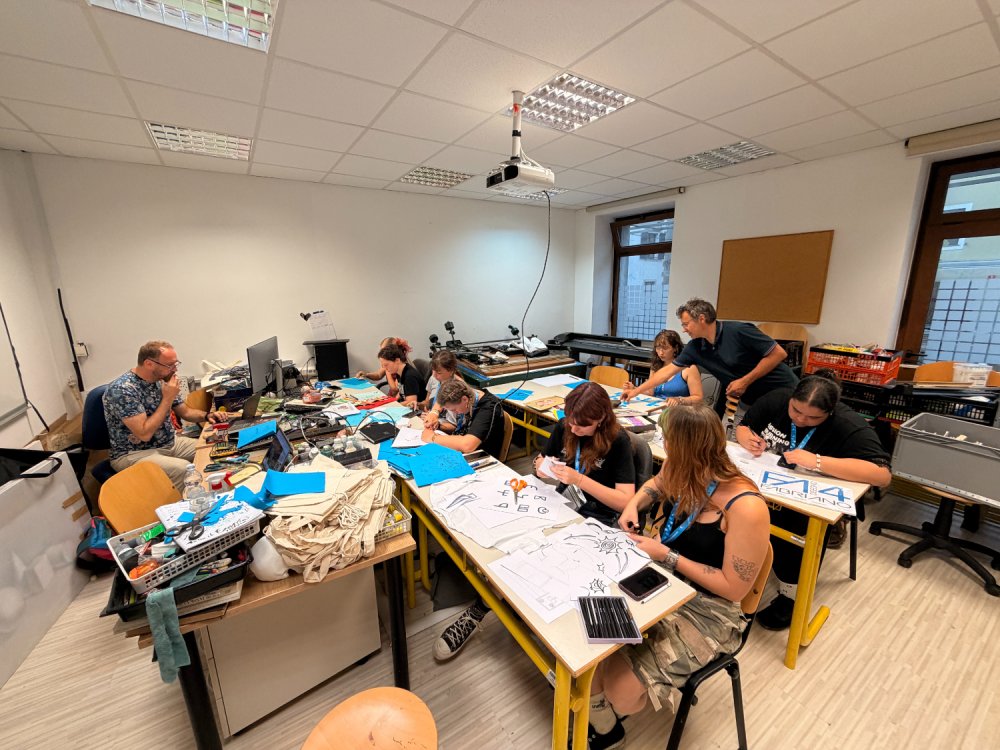
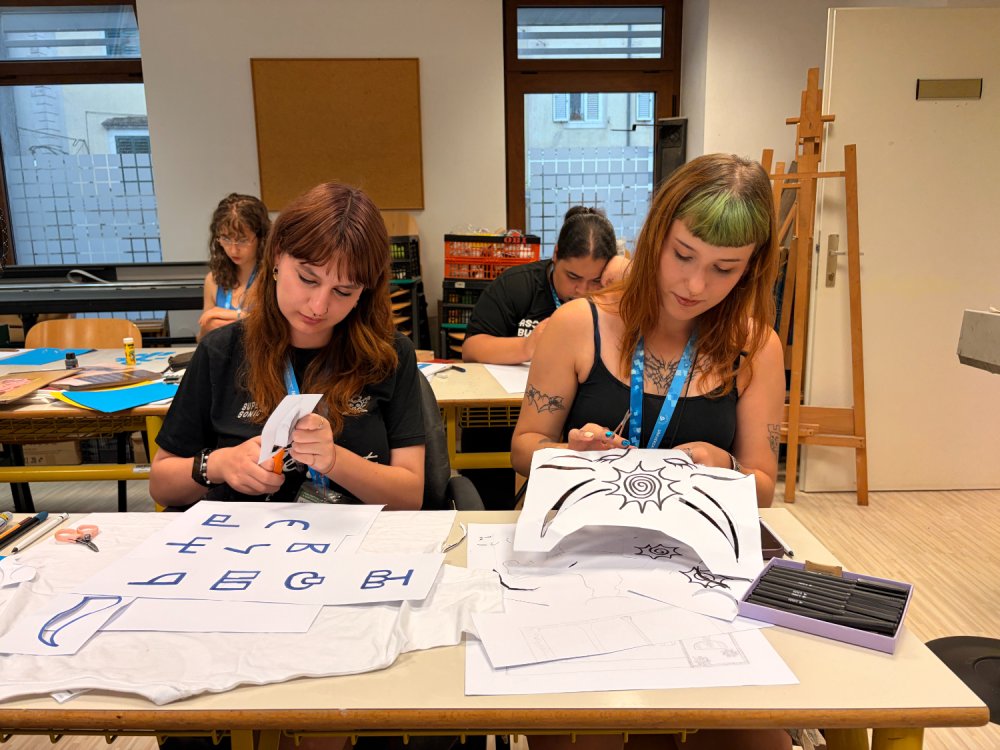
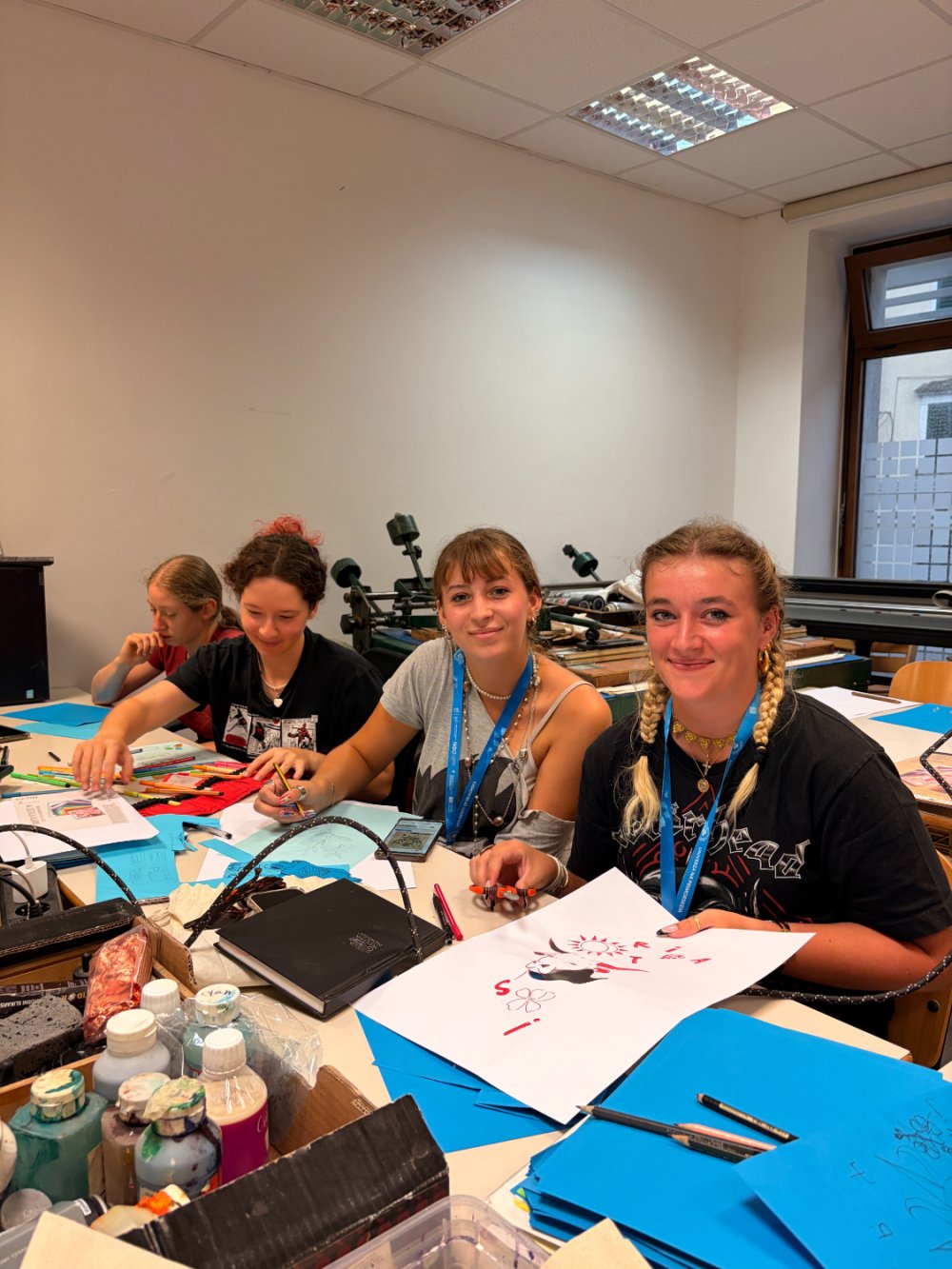
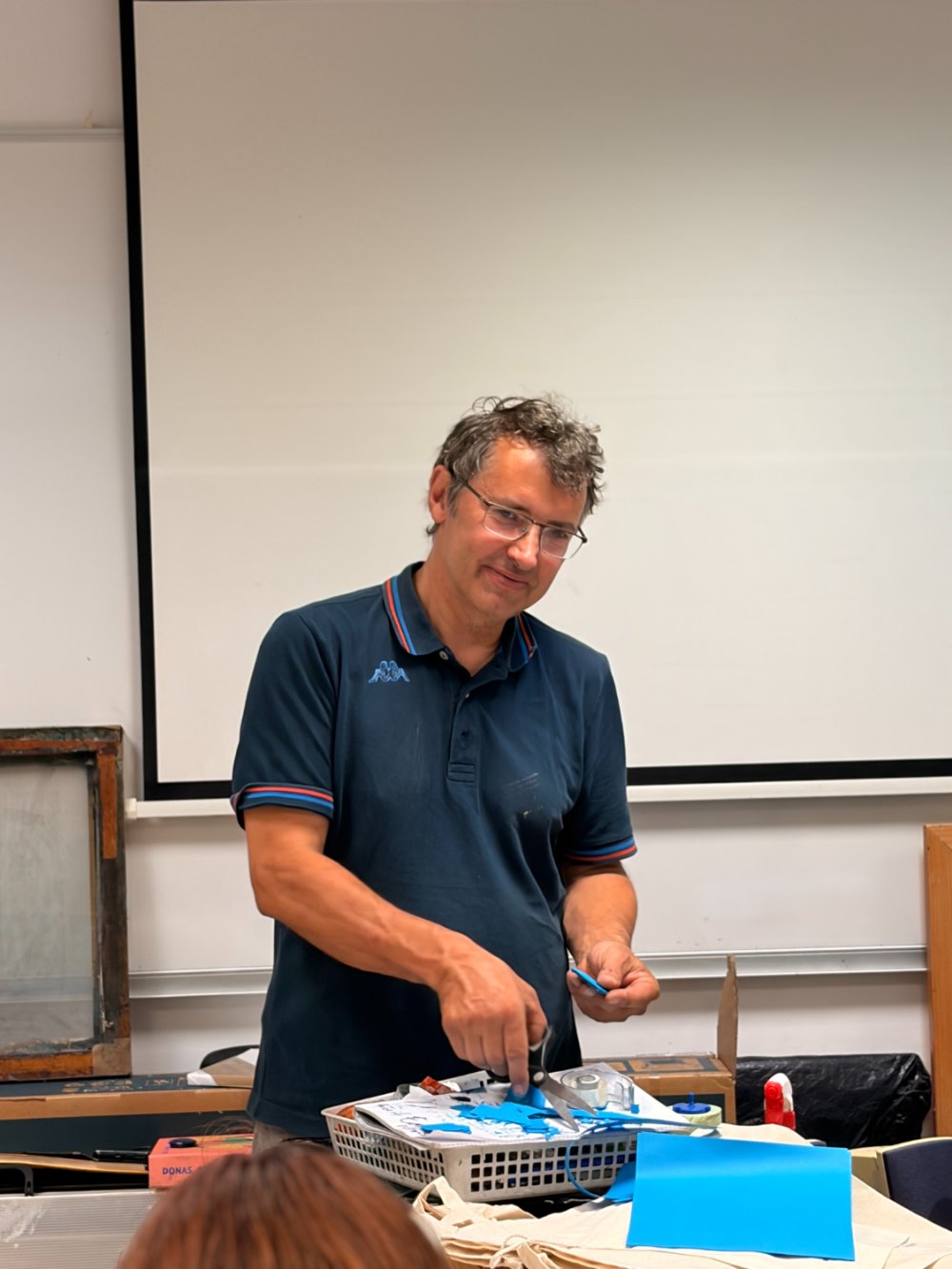
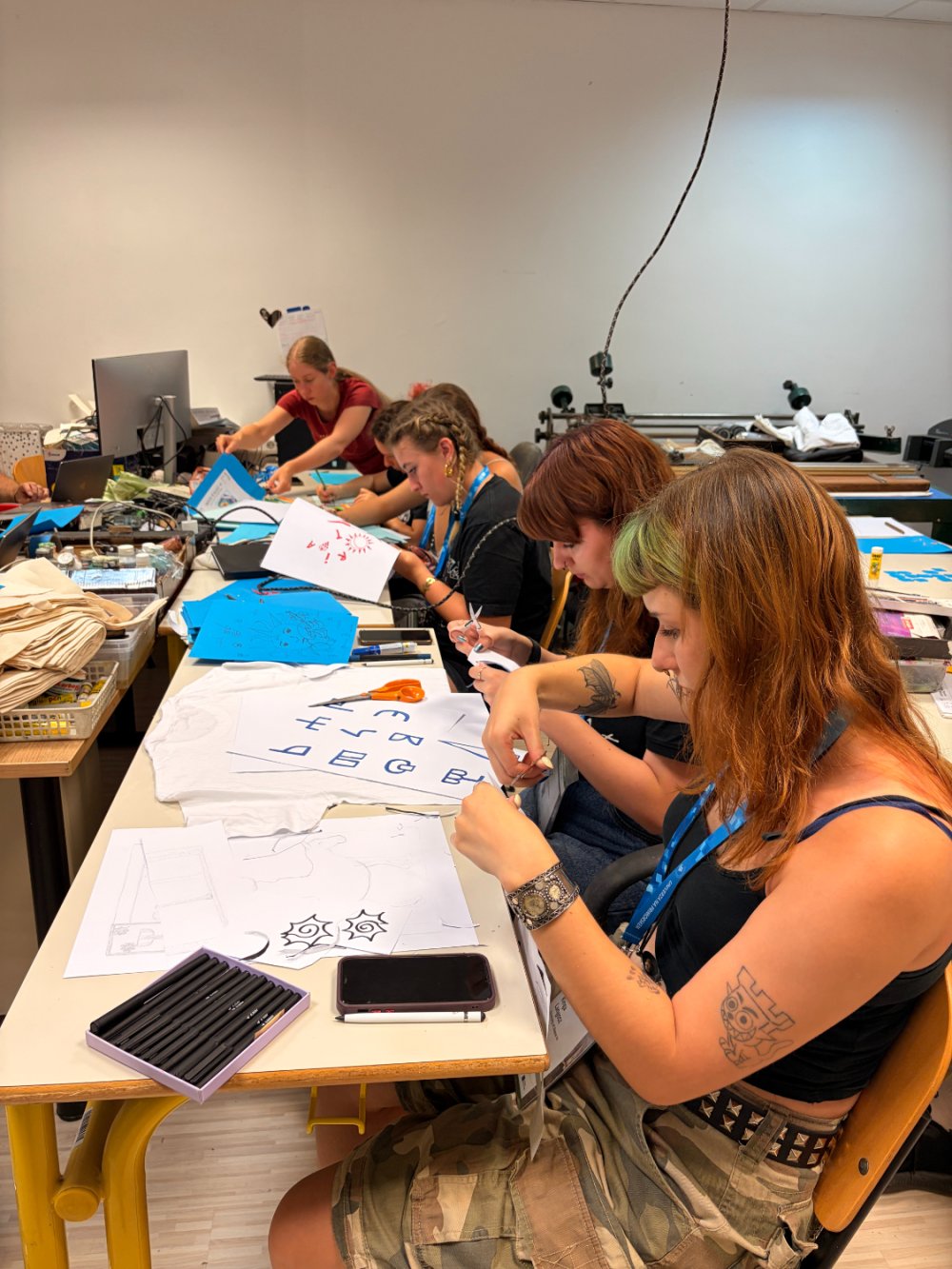
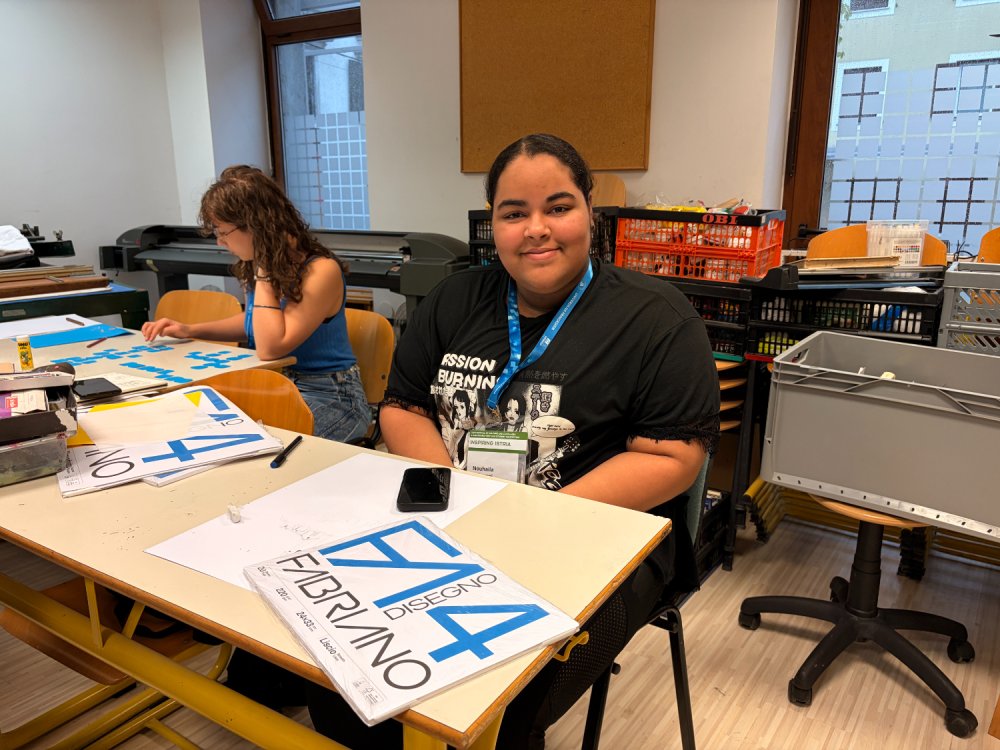
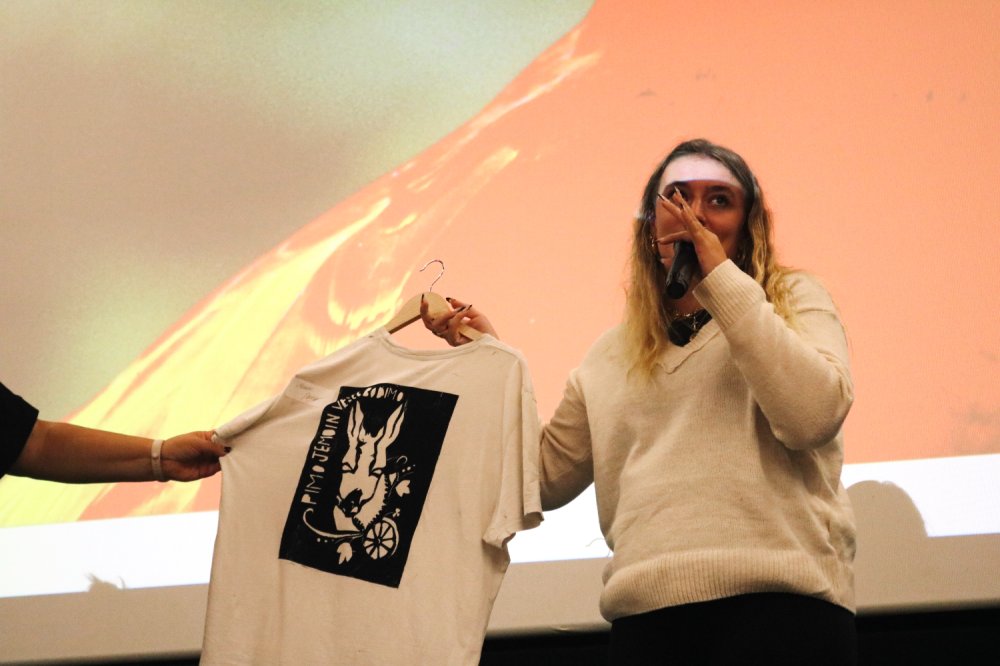
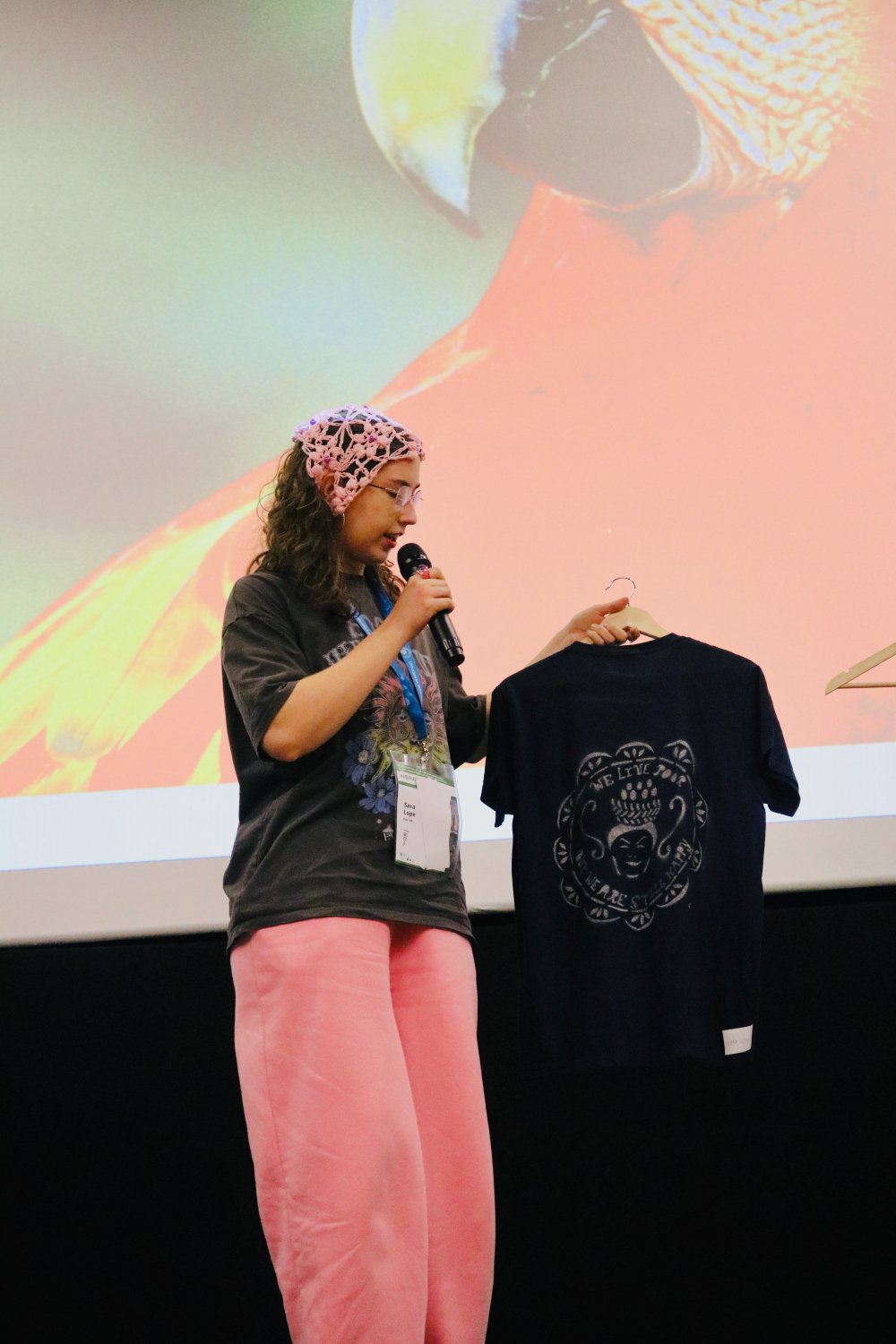
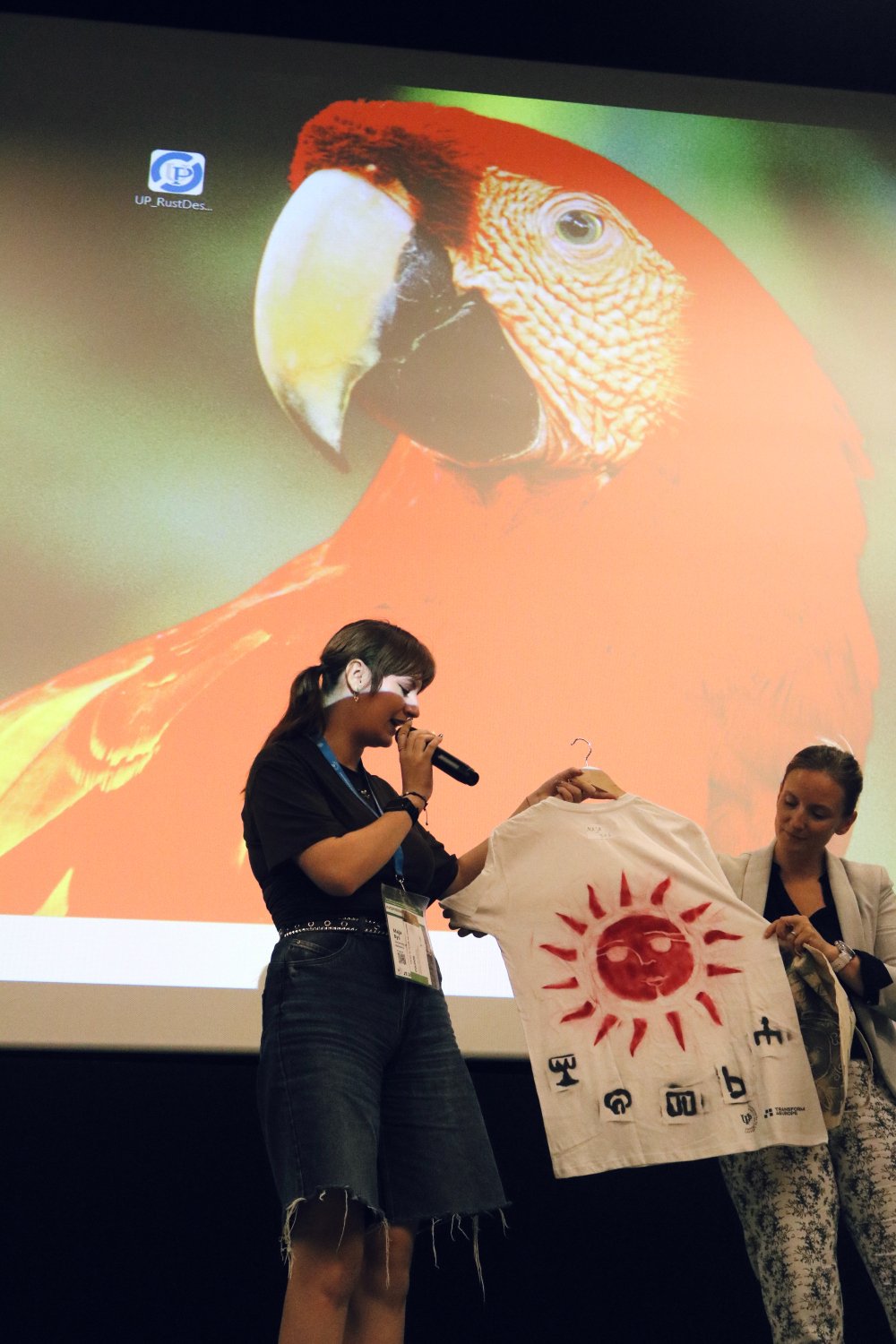
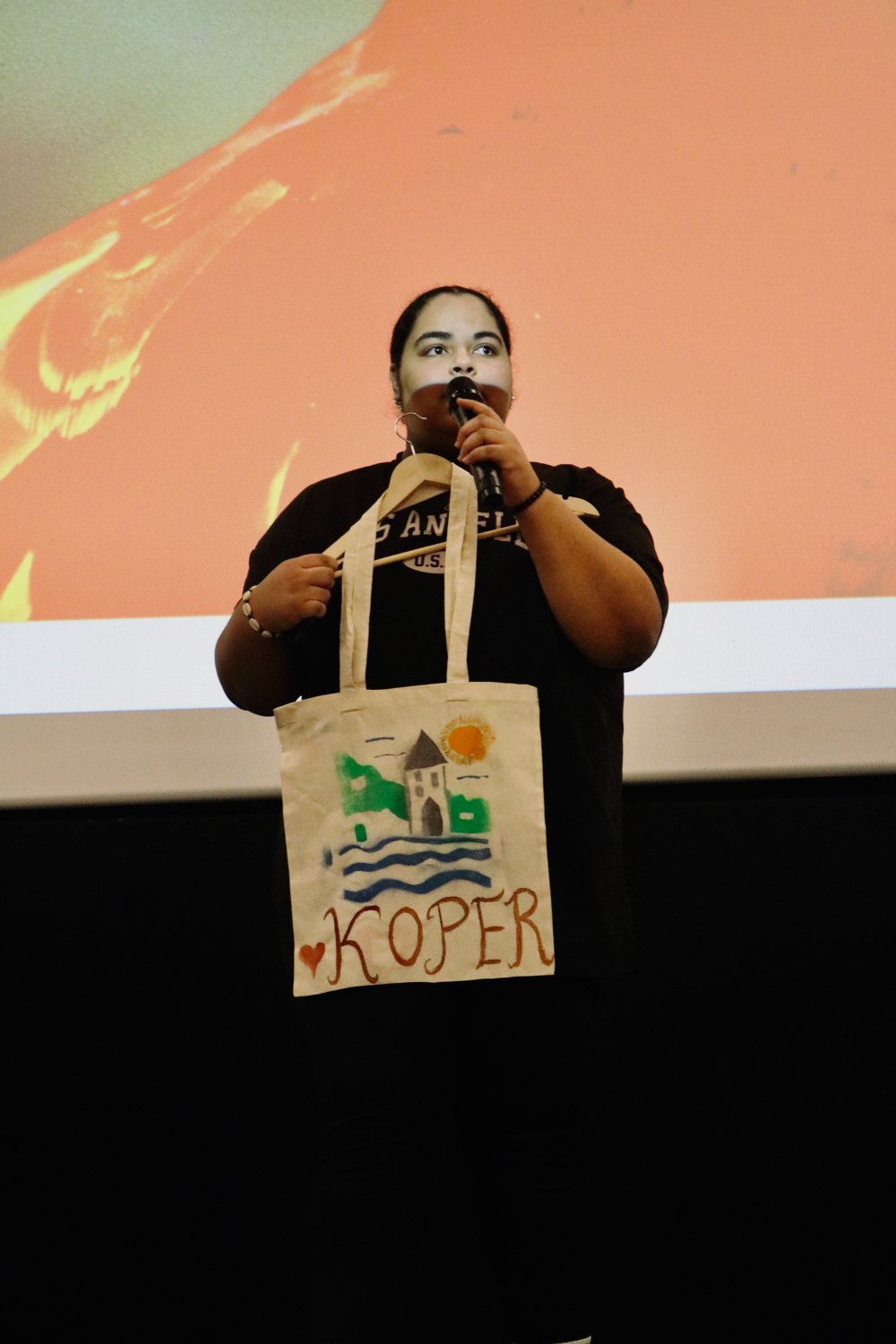
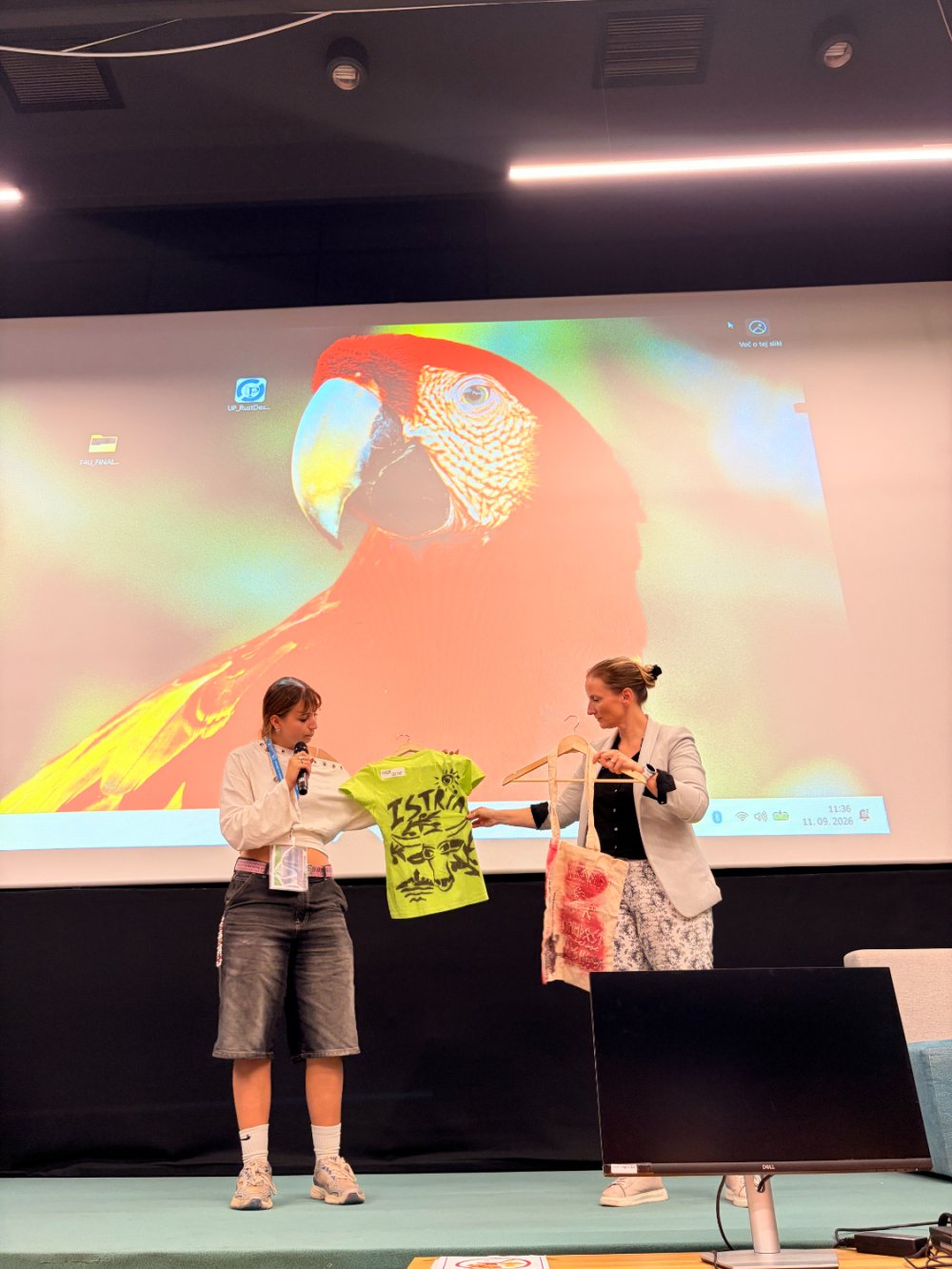
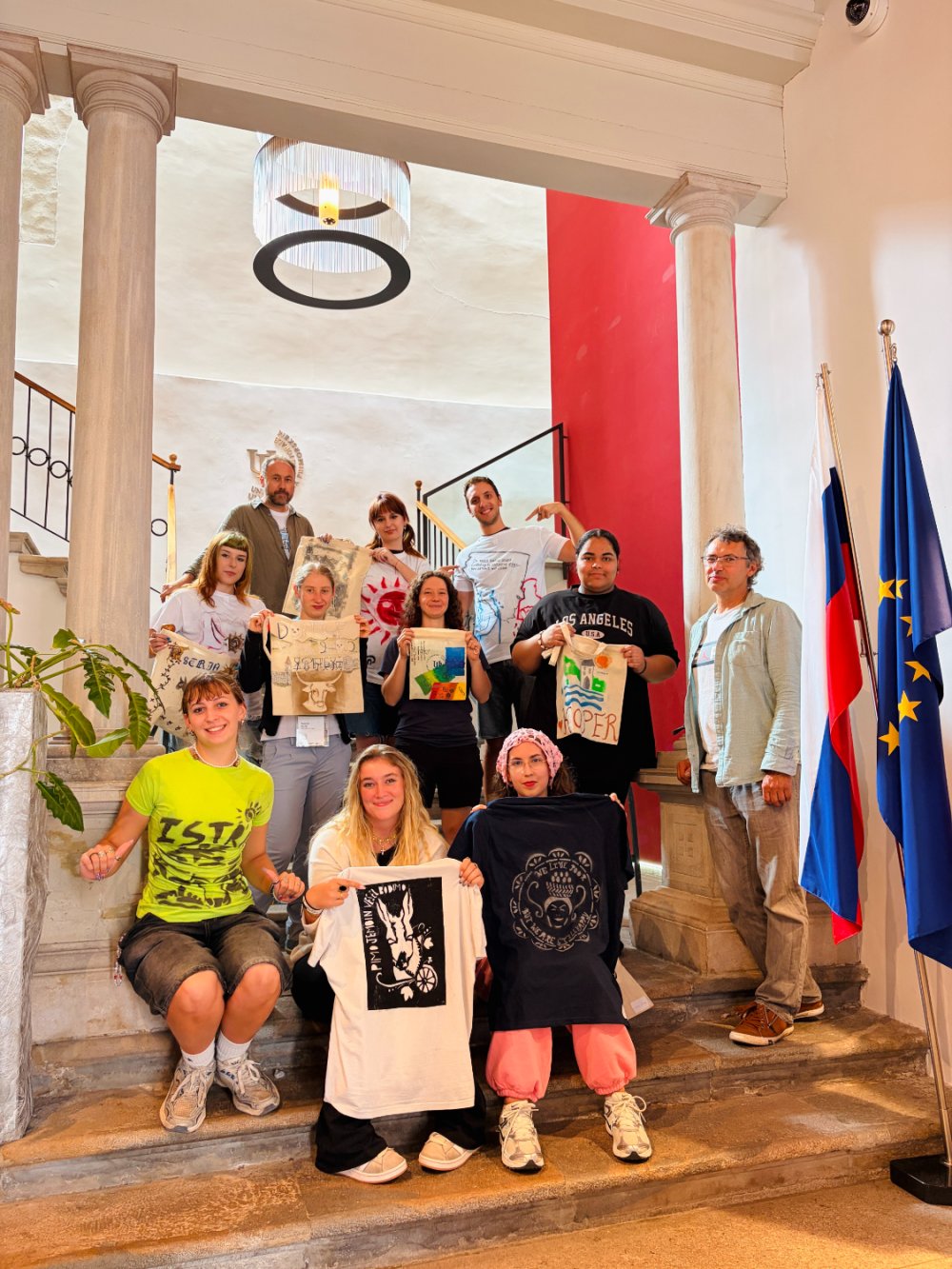
- From Language to Image, From Words to T-Shirts, a visual arts workshop held by Assist. Prof. Peter Ciuha (UP PEF) together with Prof. Łukasz Kliś from the University of Silesia in Katowice,
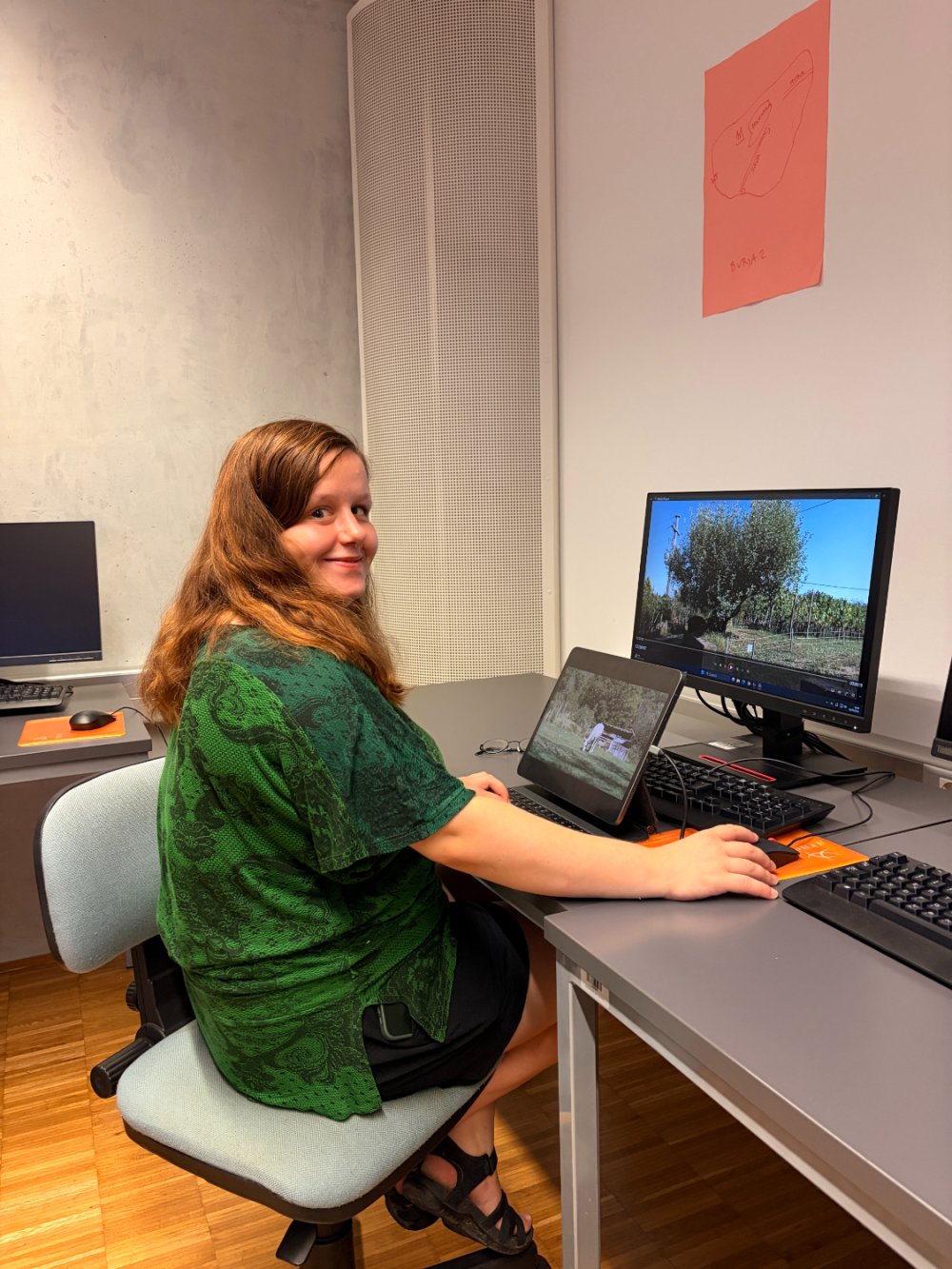
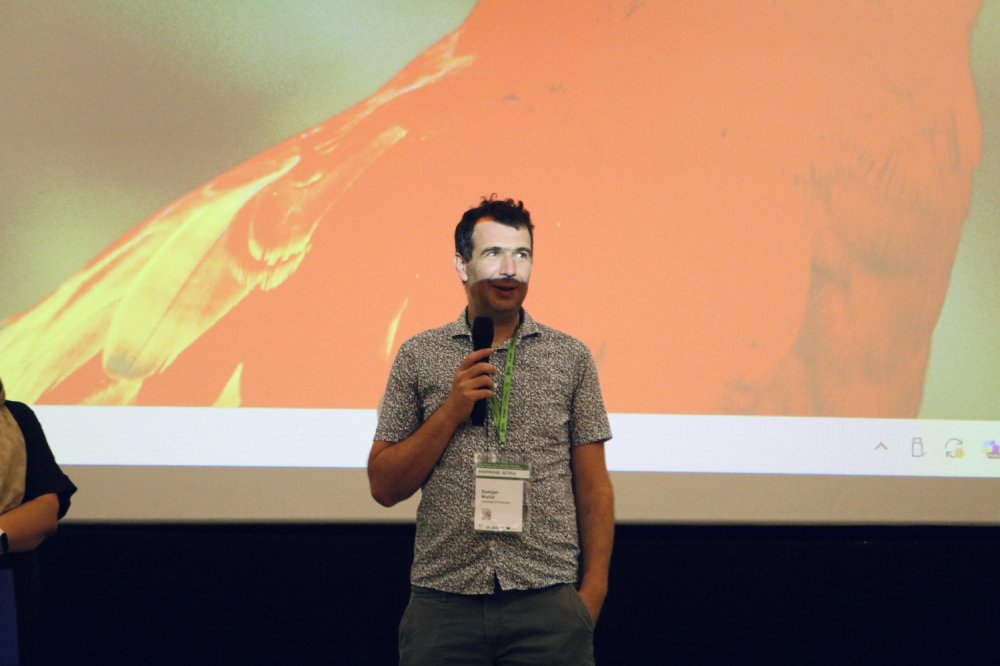
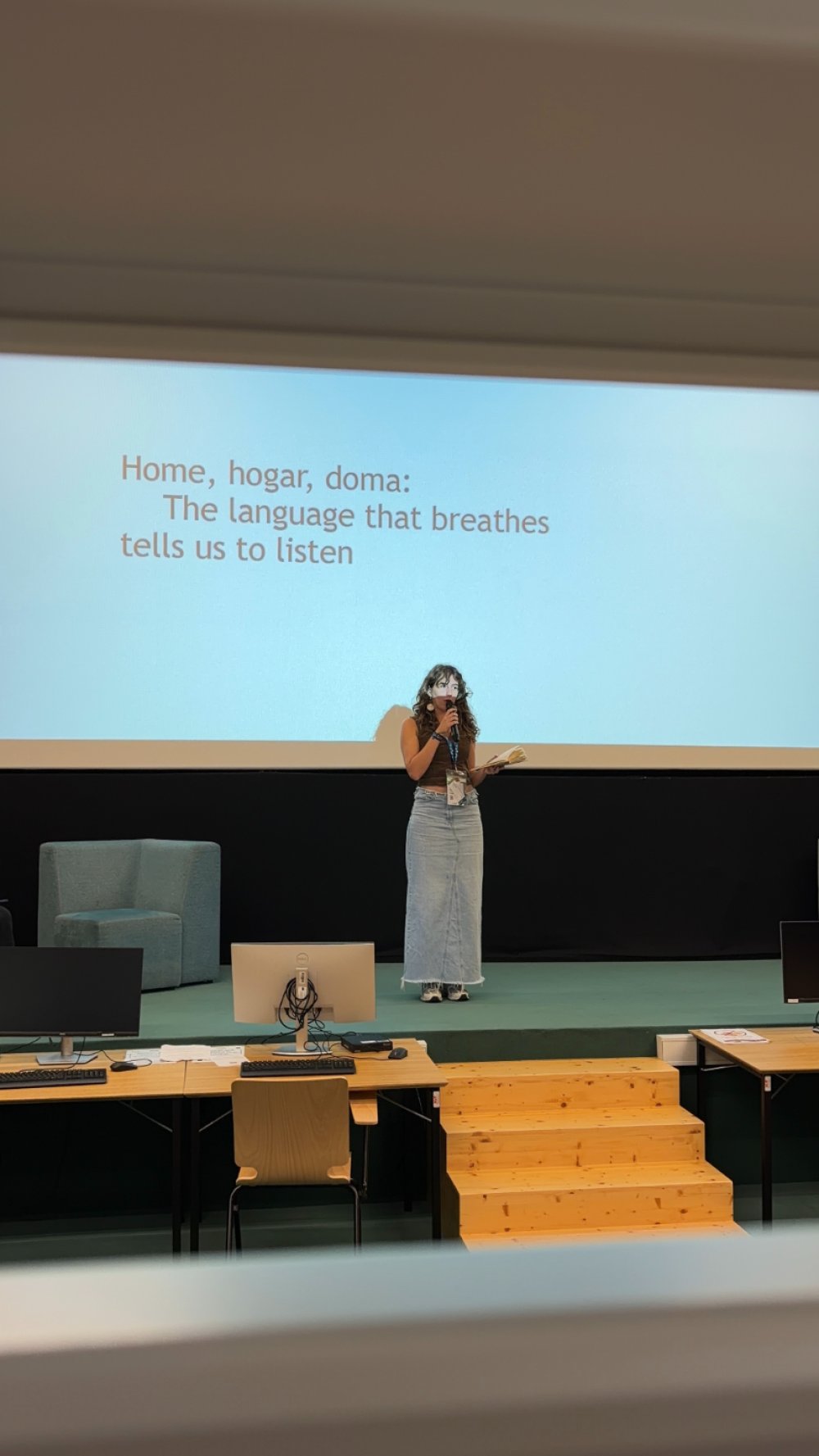
- From Observation to Ethnographic Documentary, an audiovisual workshop held by Assist. Damjan Muhič (UP FHŠ), and
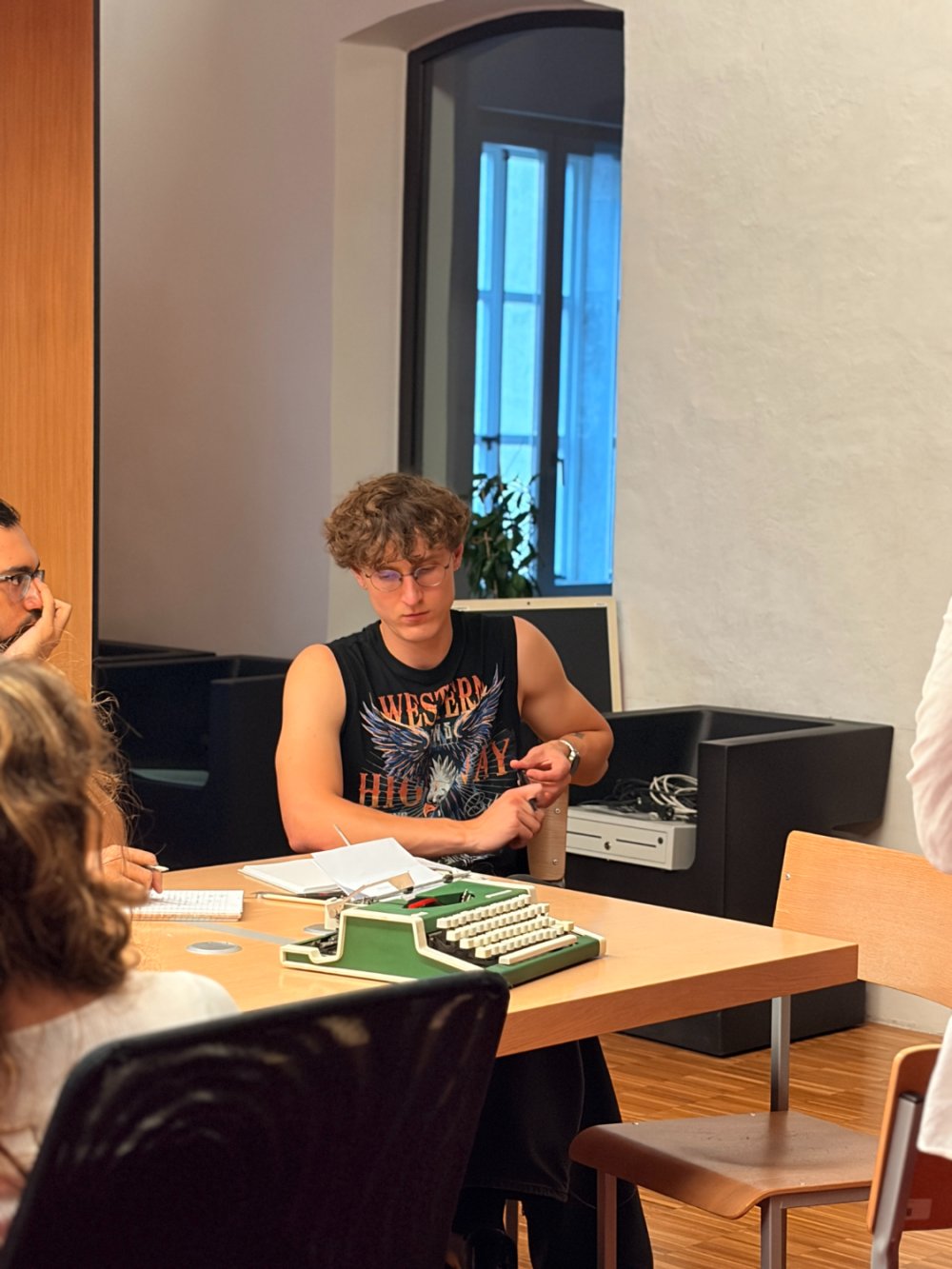
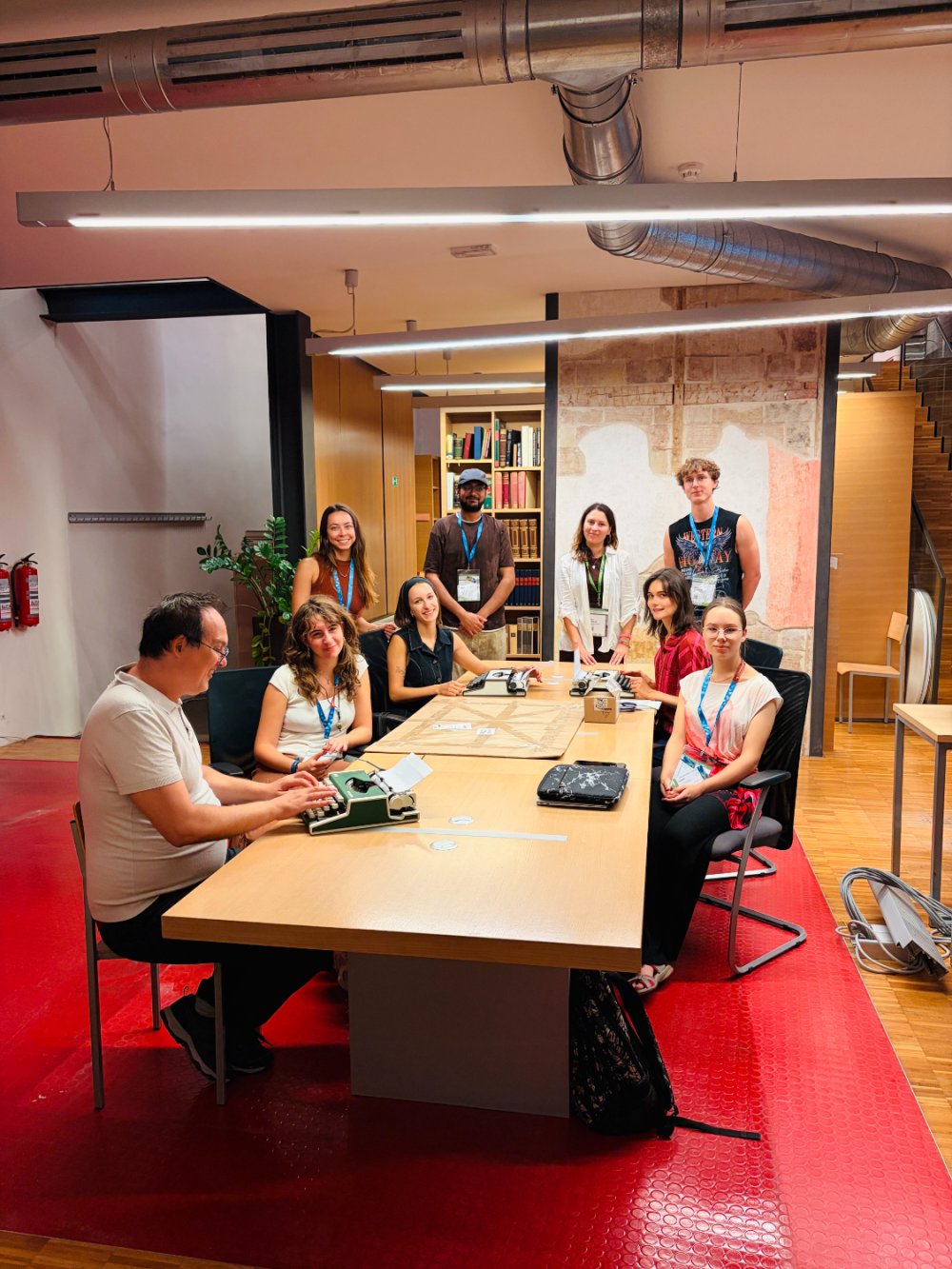
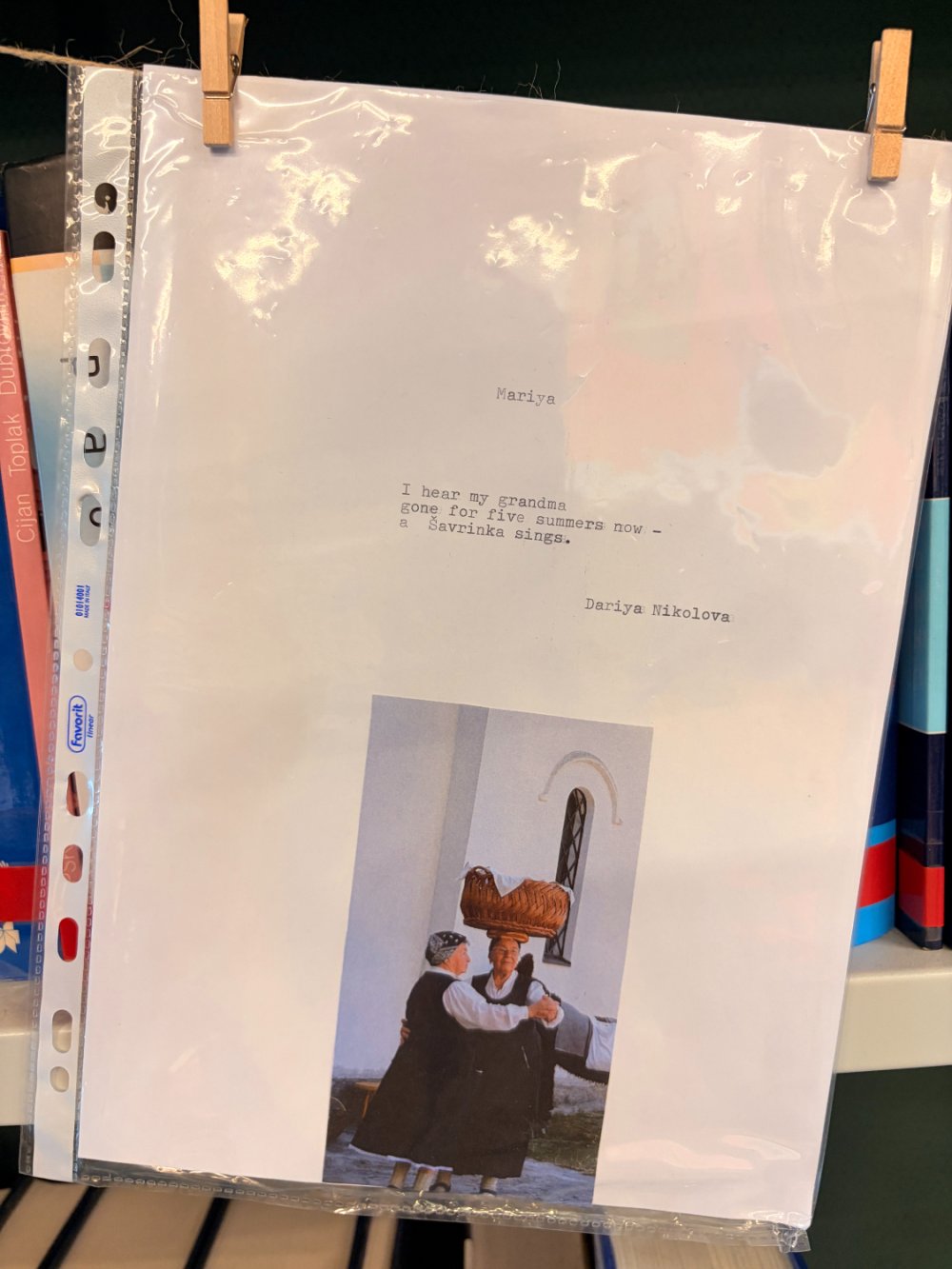
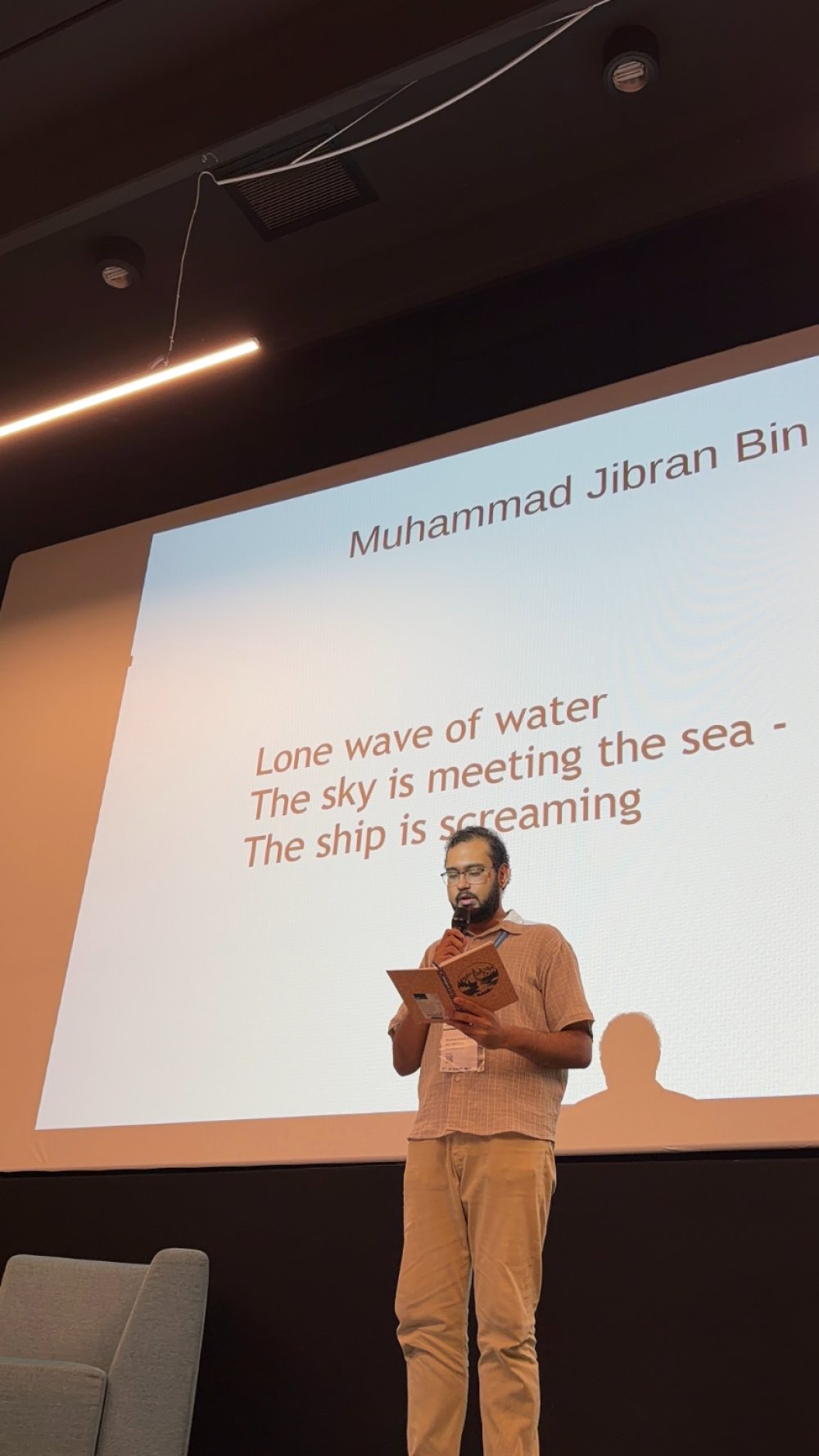
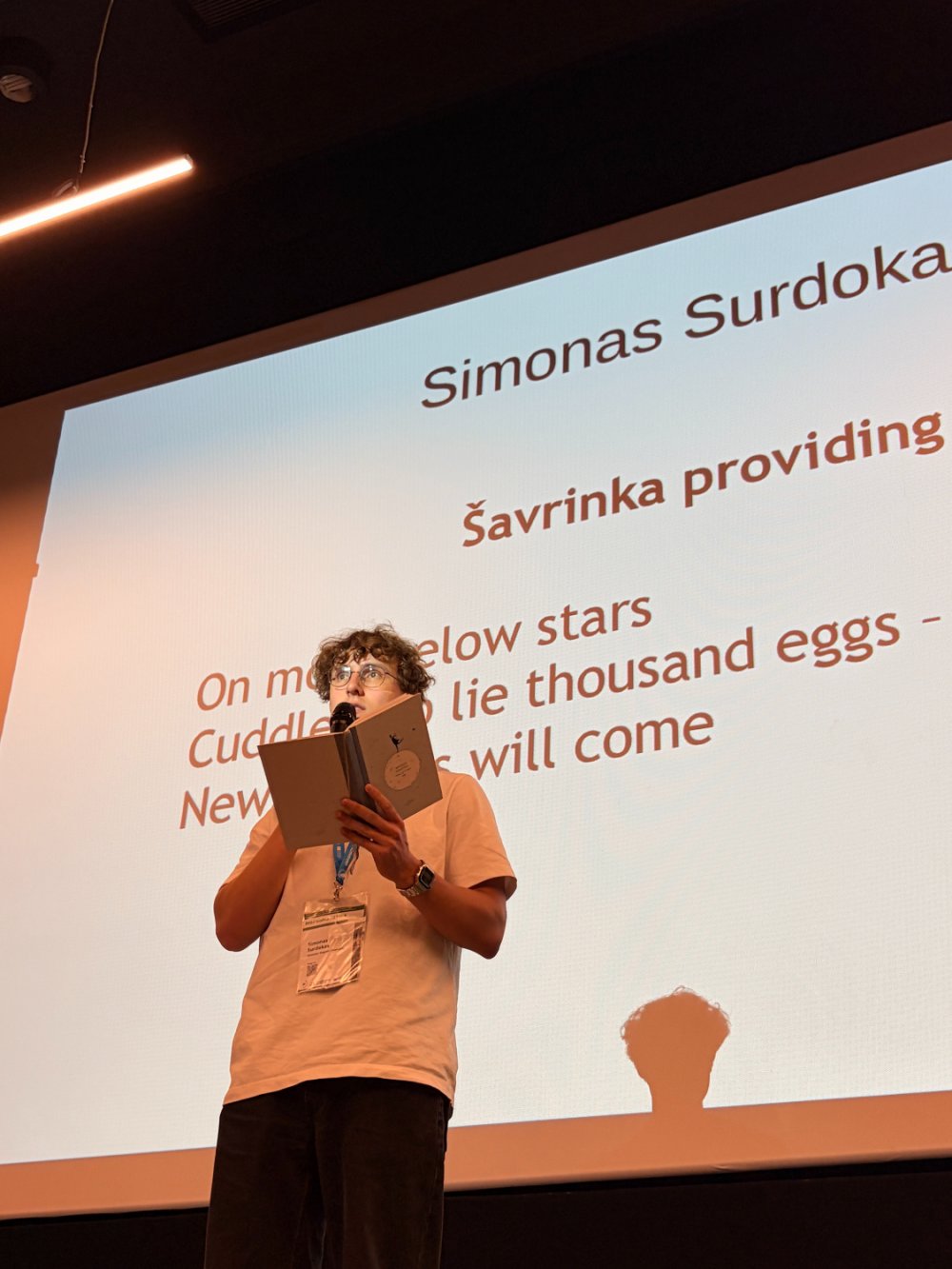
- Poetry Across Languages, a poetry workshop held by Assist. Prof. Marcello Potocco (UP FHŠ) together with Prof. Ewa Wylężek-Targosz from the University of Silesia in Katowice.
Participants were given the opportunity to immerse themselves in Istria’s creative energy, rooted in resilience and a strong sense of identity. This spirit is captured in the local saying, “Krepat, ma ne molat” (“Better to die than give up”), which reflects the perseverance of communities that have long lived in this challenging borderland region. Over time, this has fostered a distinct regional identity: Istrian first, shaped by history yet open to change.
Before their arrival, participants received the Inspiring Istria Booklet, a collection of contributions from UP researchers exploring how Istria inspires and shapes their research. The articles, contributed by researchers from all faculties, covered a wide range of topics, including economics, hospitality, tourism, nutrition, history, anthropology, geography, education, biology, agriculture and linguistics.
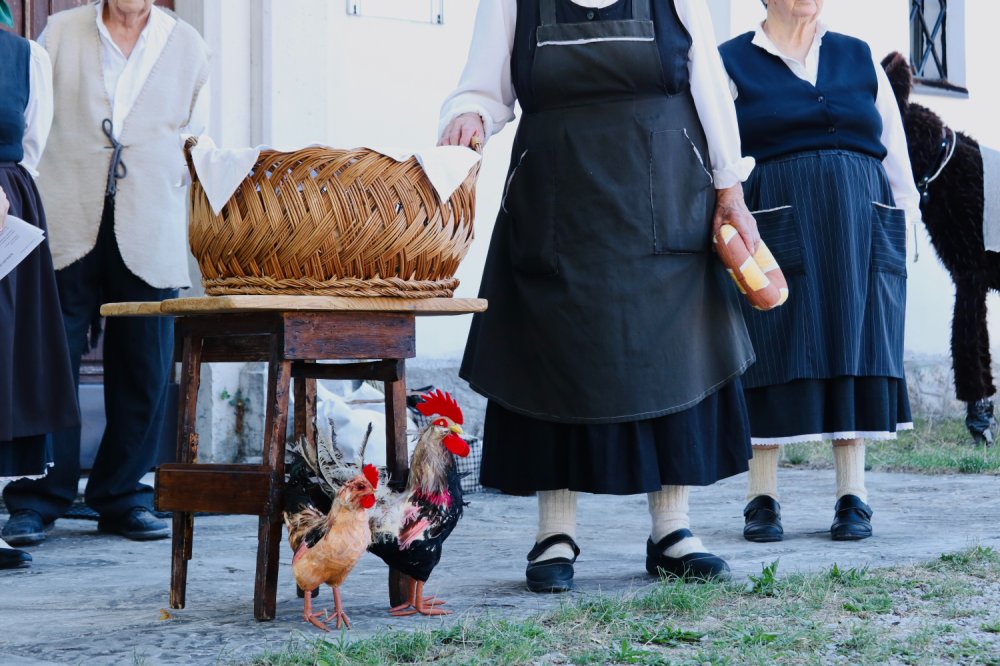
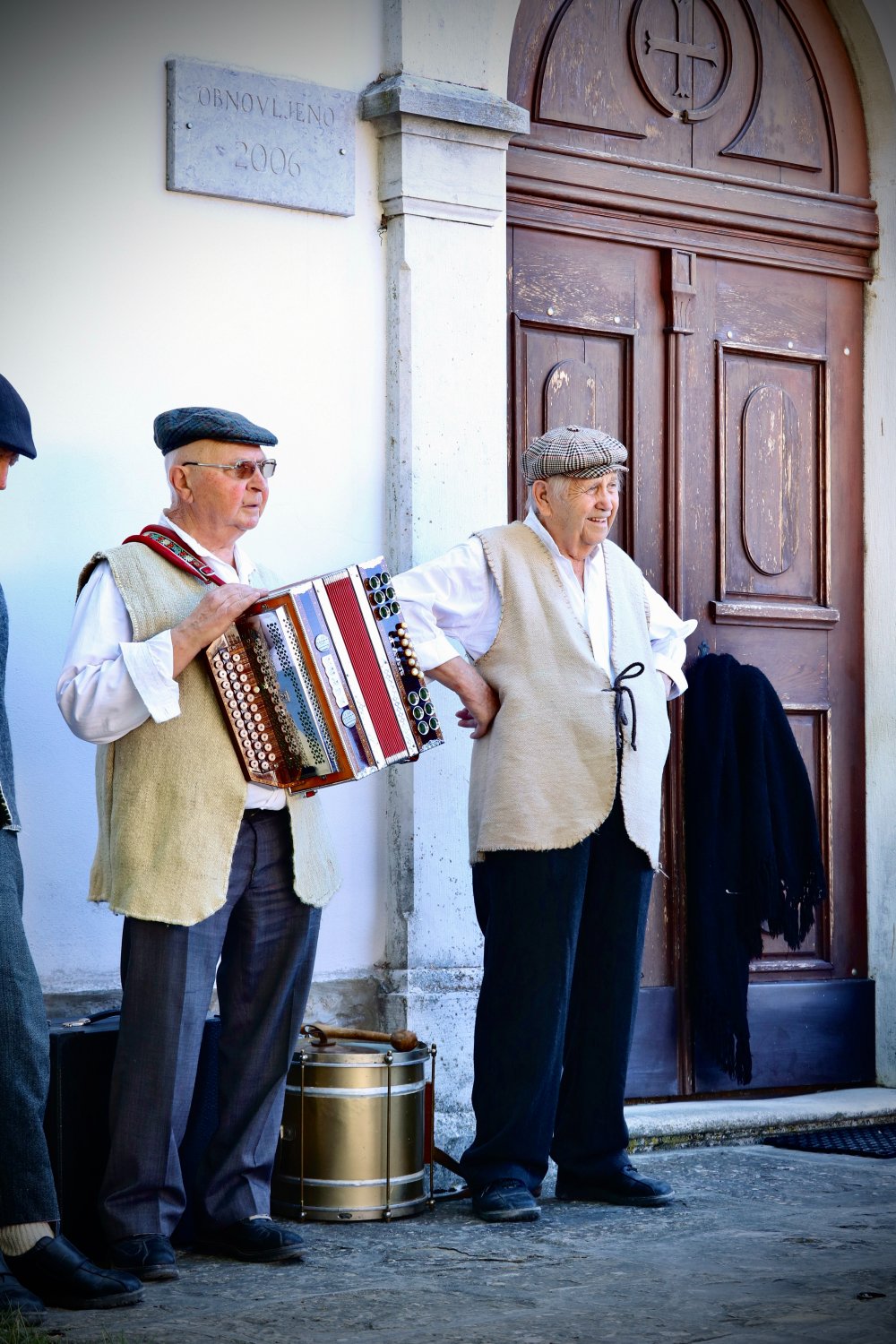
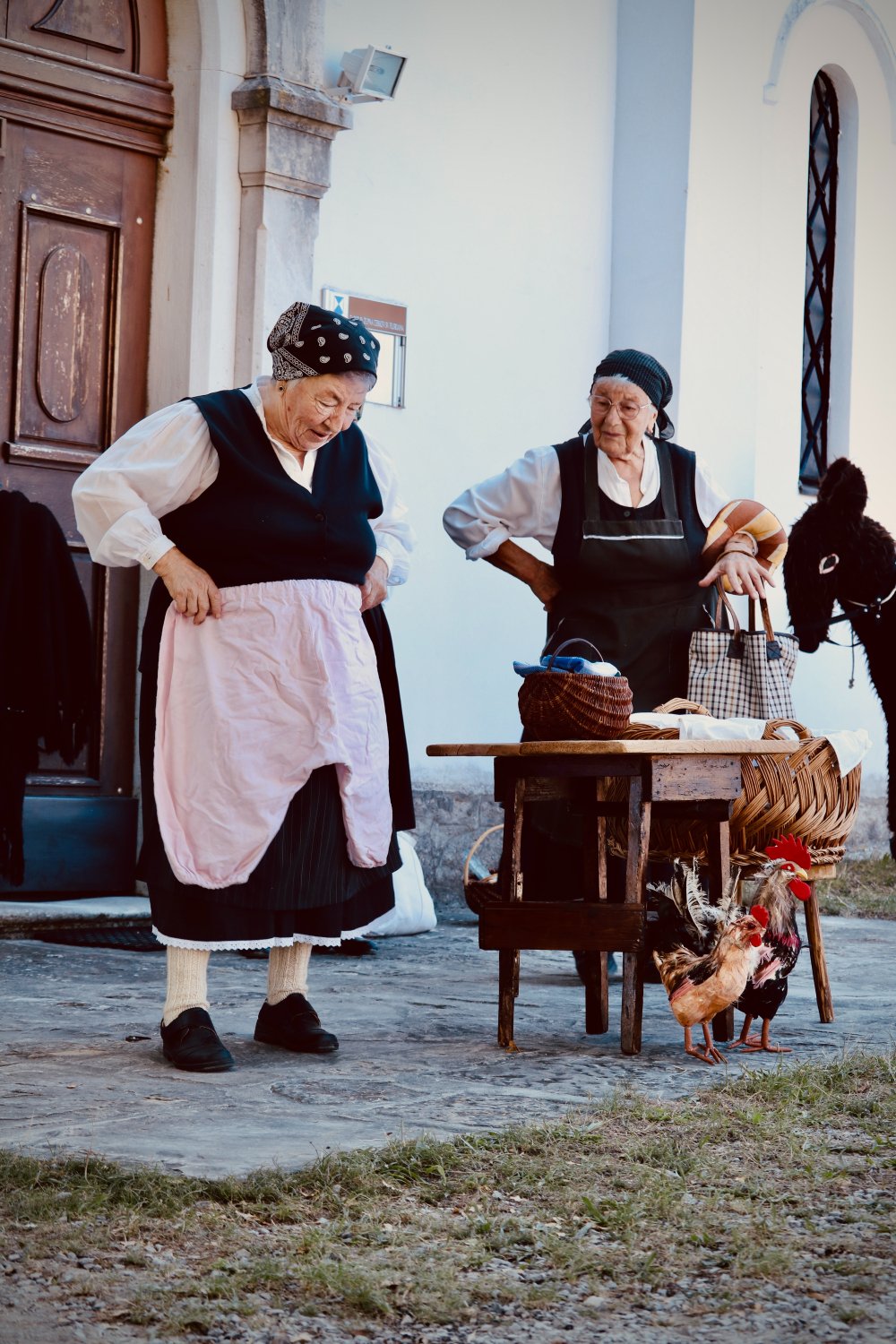
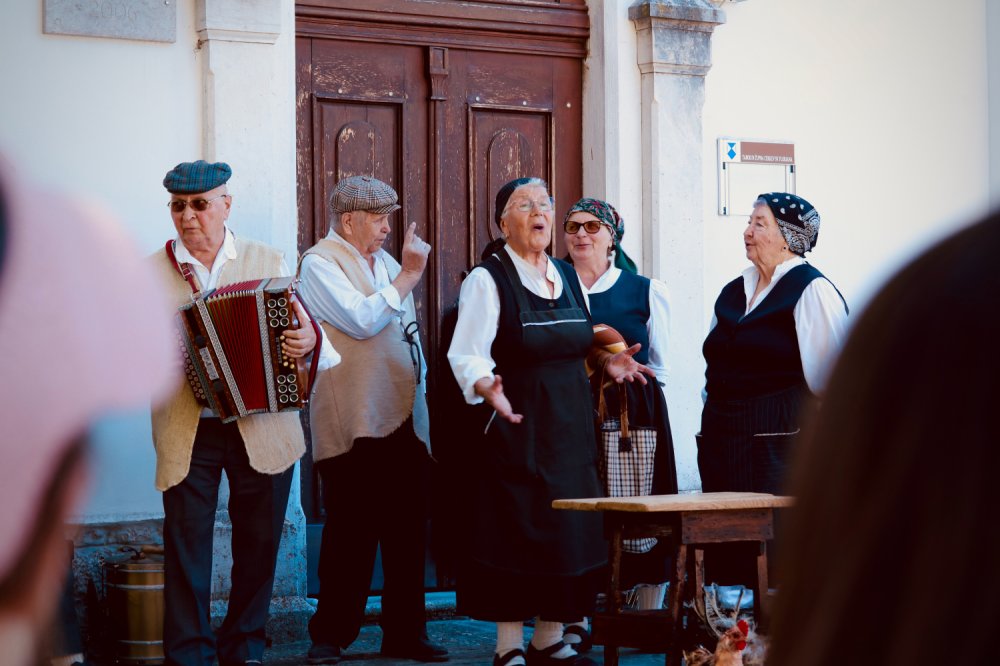
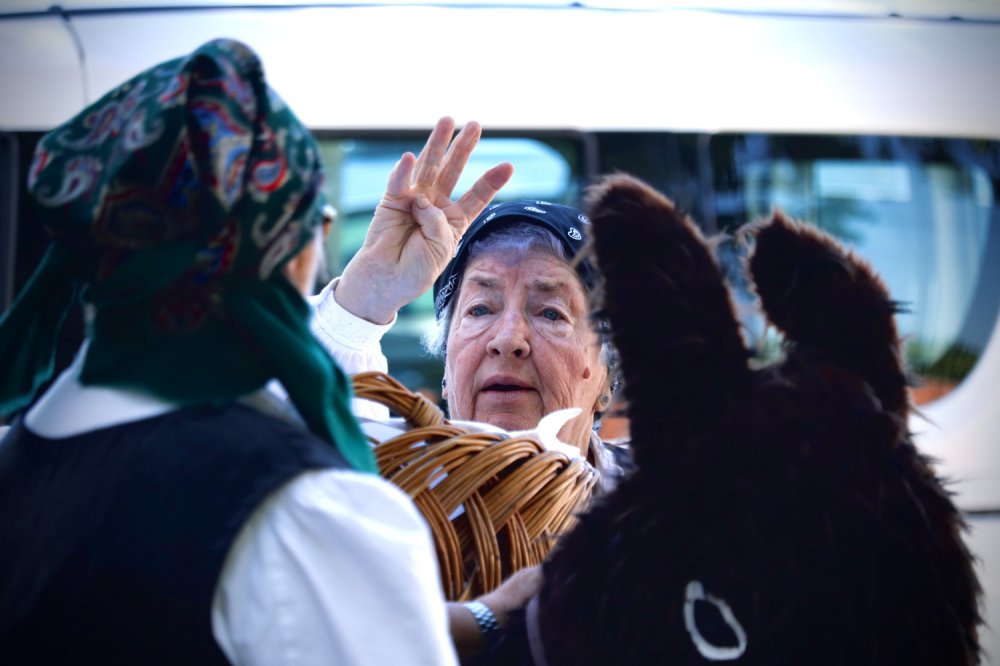
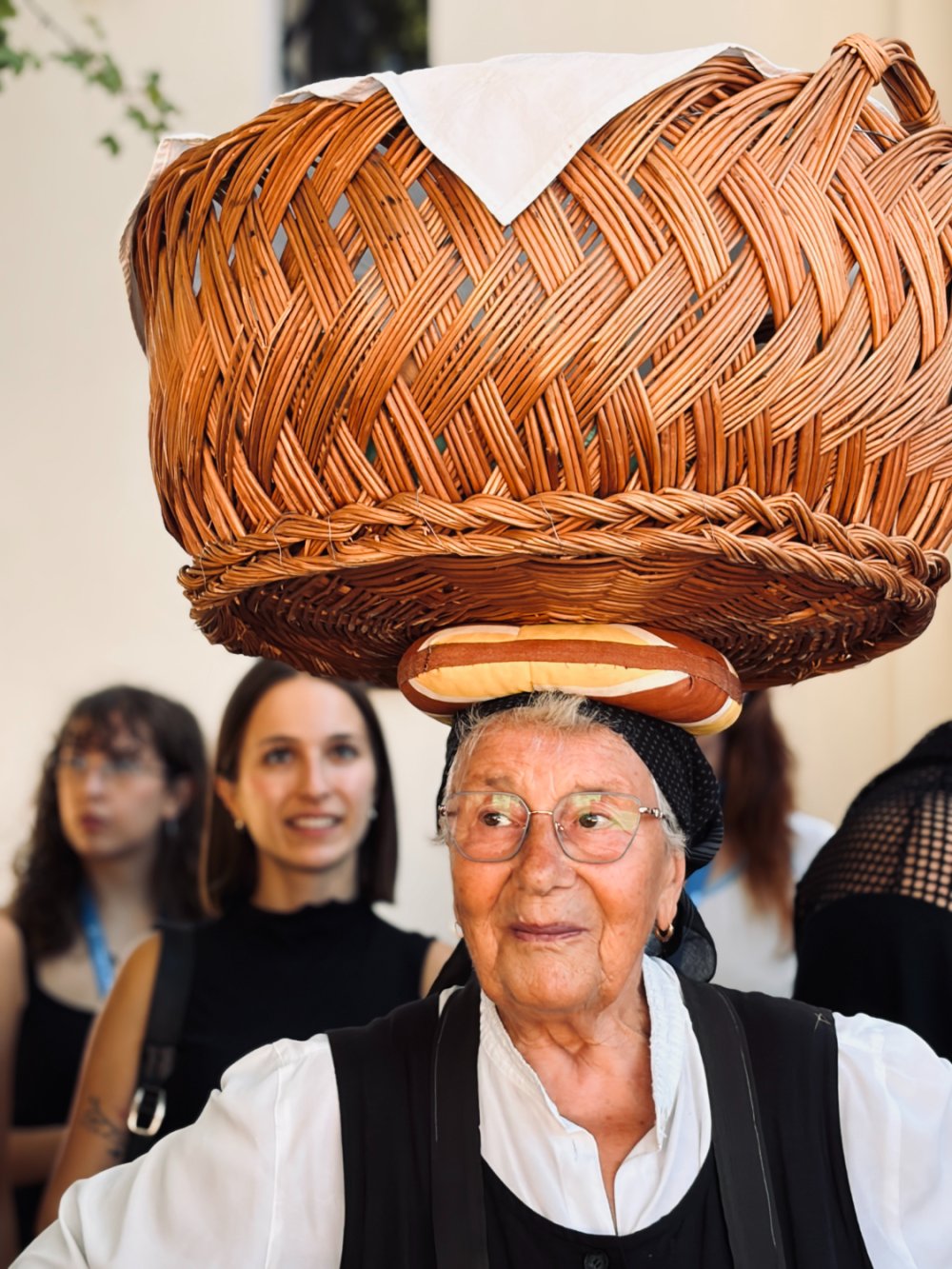
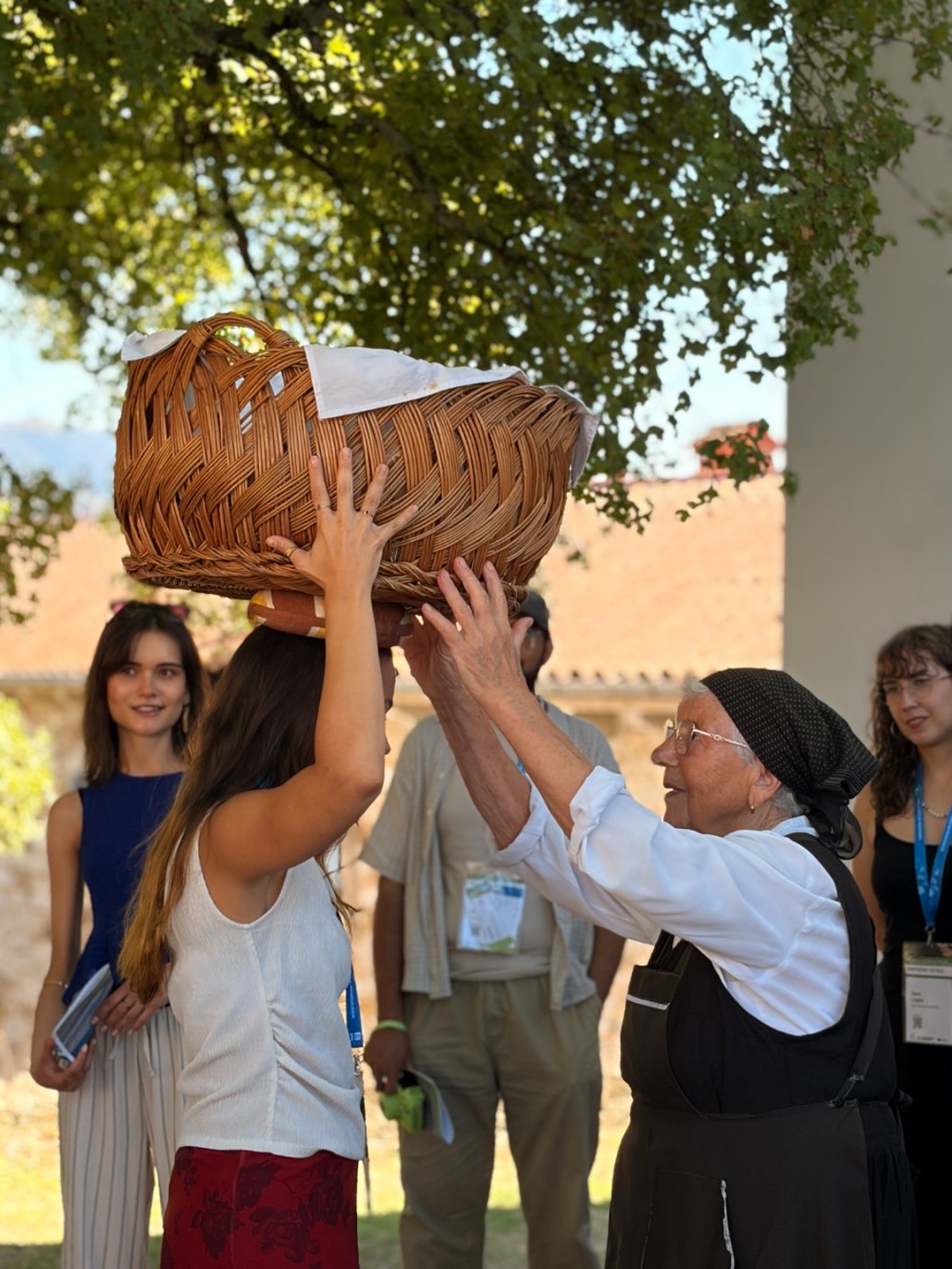
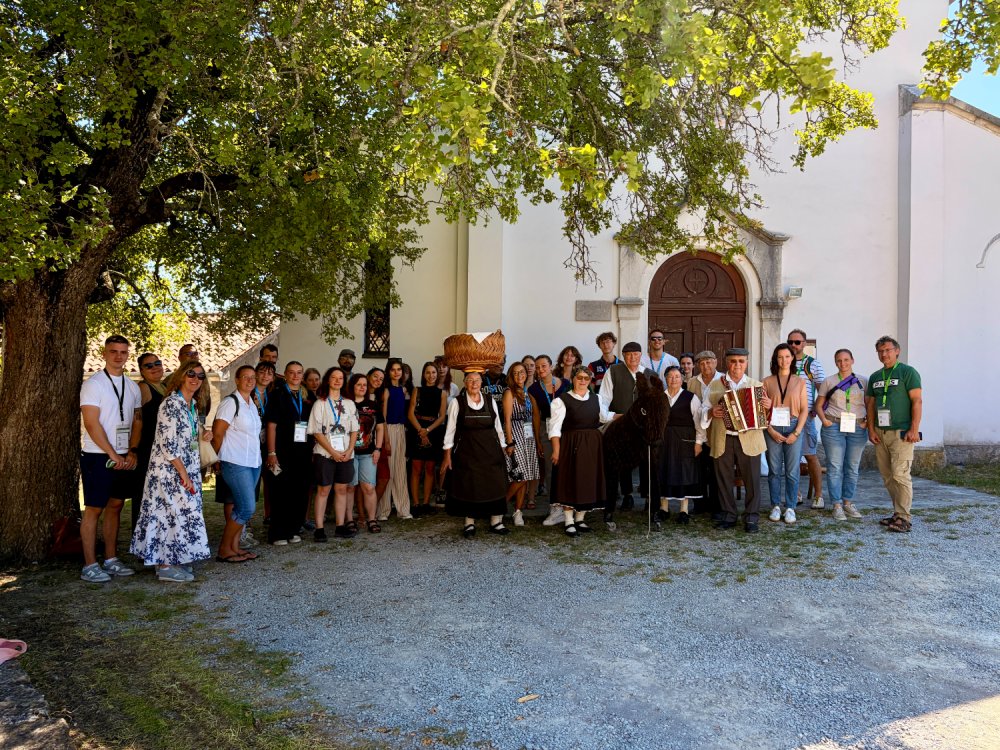
On their first day in Istria, the participants and their mentors went on a guided excursion across the heart of the Istrian countryside. They admired the famous medieval Dance of Death fresco in the Holy Trinity Church in Hrastovlje, enjoyed a performance by the members of the Cultural Association Šavrini in anka Šavrinke in Kubed and visited the memorial room of Istrian poet Alojz Kocjančič. Lunch was served at Grondali Farm in Abitanti, revived and run by one of UP’s alumni.
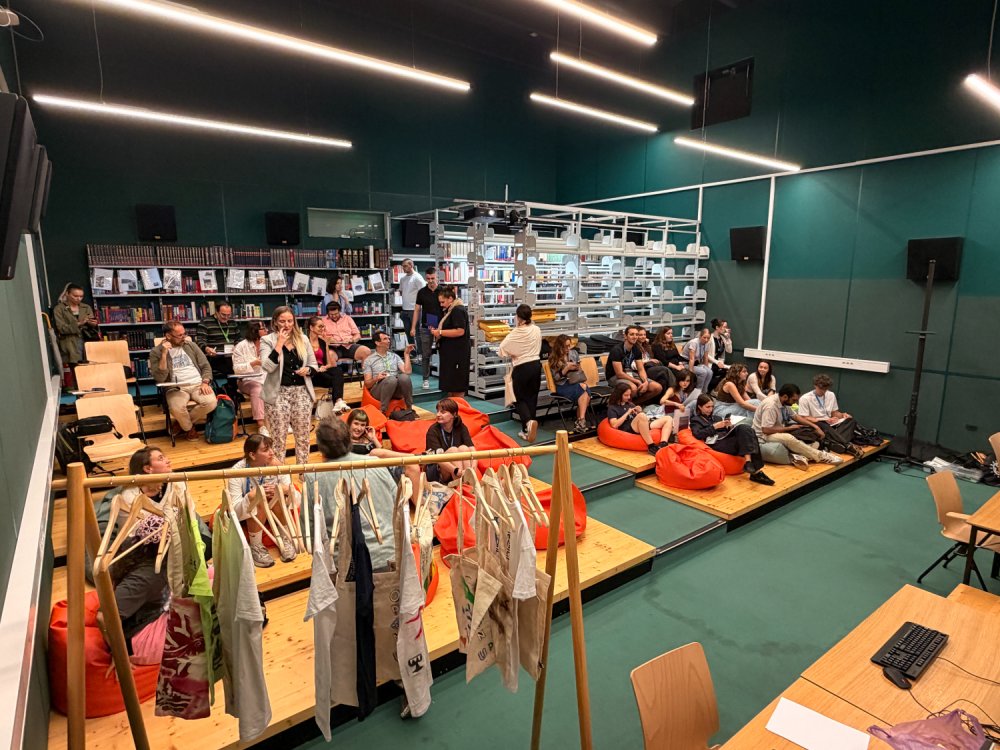
Inspired by the Booklet, the excursion, the town of Koper and the authentic Istrian cuisine enjoyed throughout the week, the students dedicated two days to developing and refining their creative projects, including ethnographic documentaries, haiku poetry and custom-printed T-shirts and tote bags.
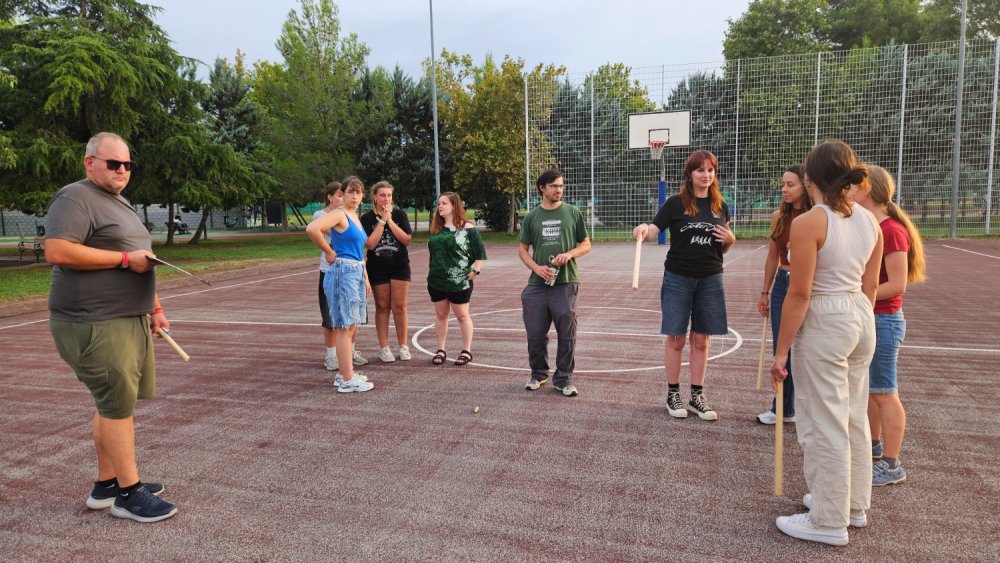
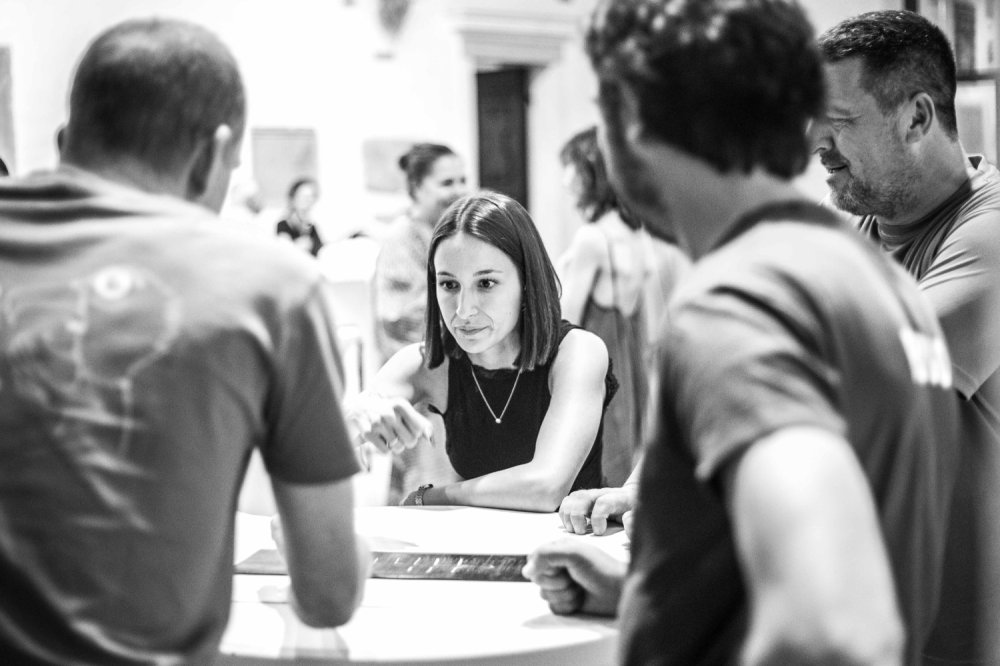
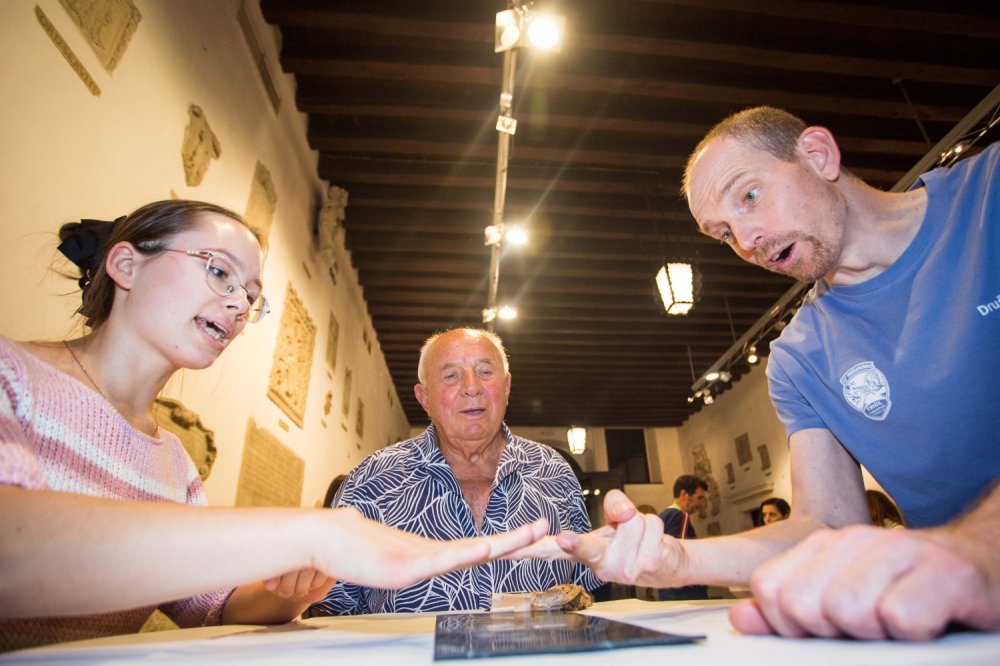
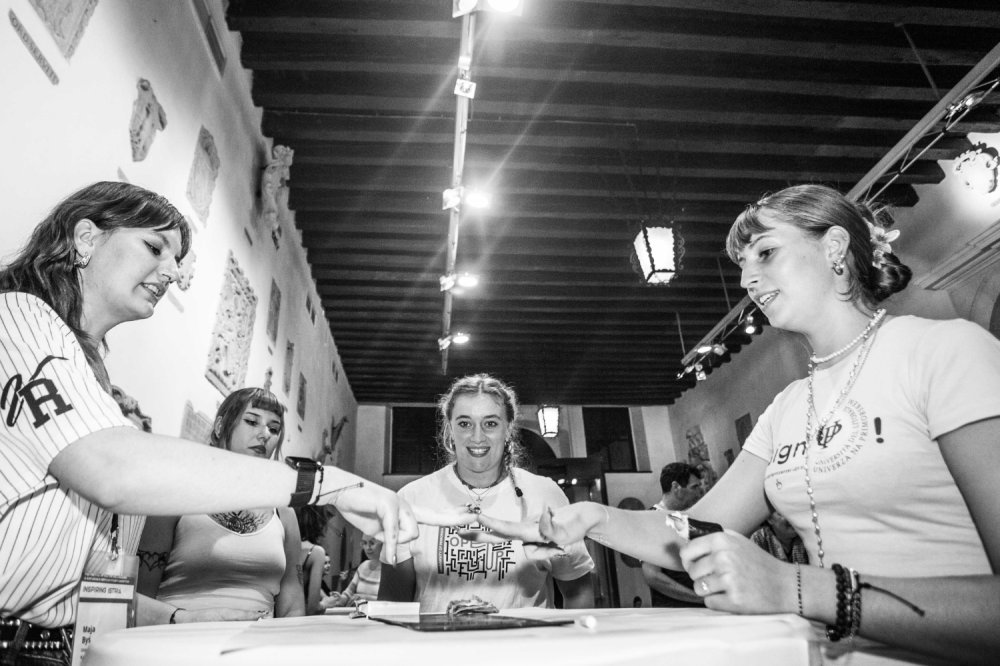
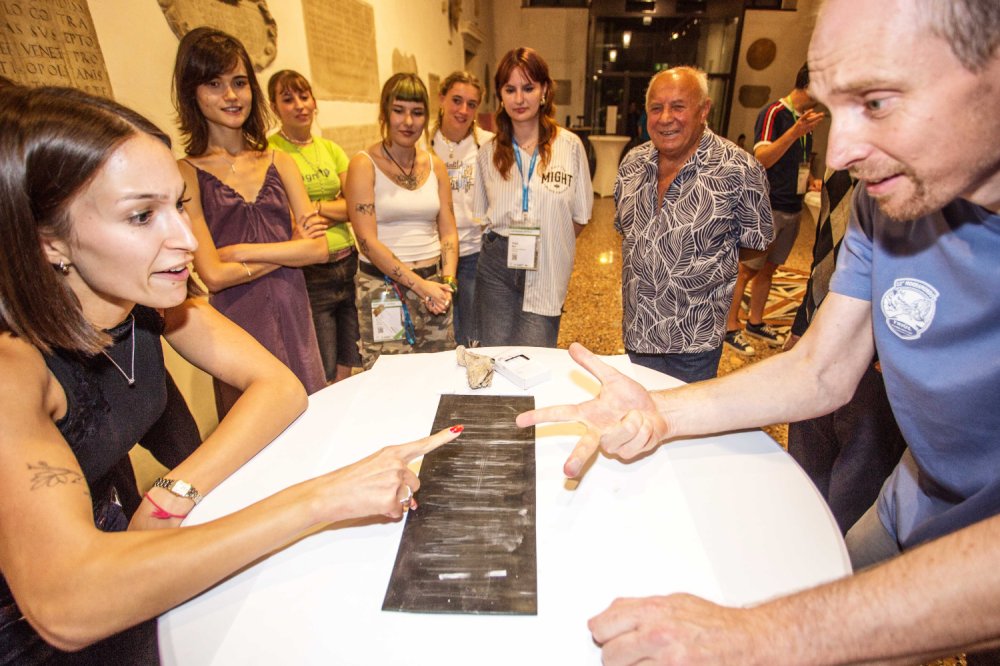
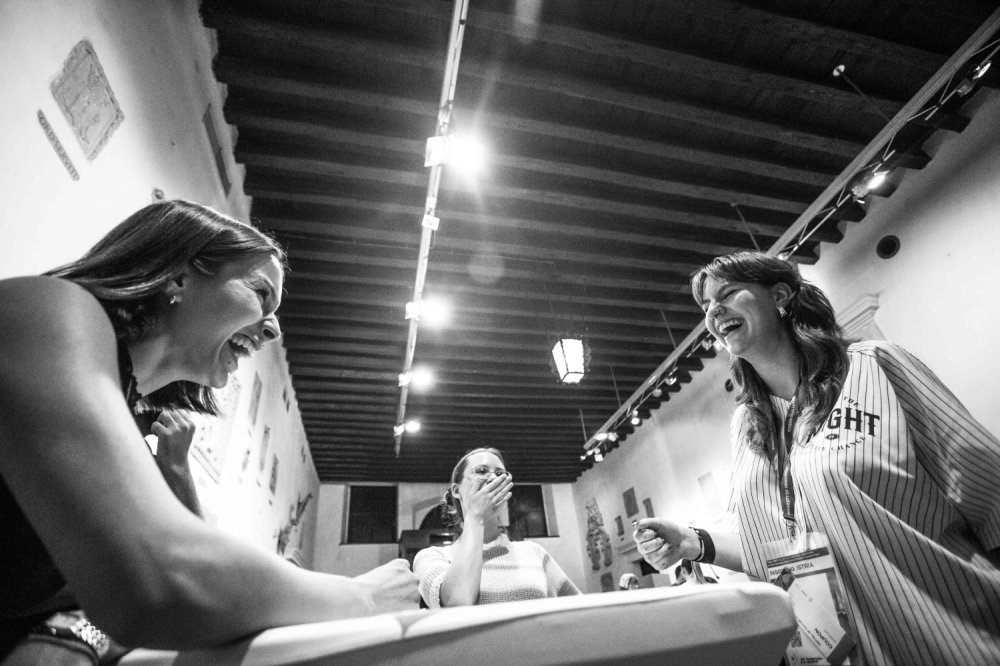
In the evenings, participants tried their hand at pandolo, a traditional Istrian game, and took part in the T4EU Istrian Culture GLAM Night at the Koper Regional Museum. Members of local associations and experienced players introduced and demonstrated the traditional games of mora and briškola.
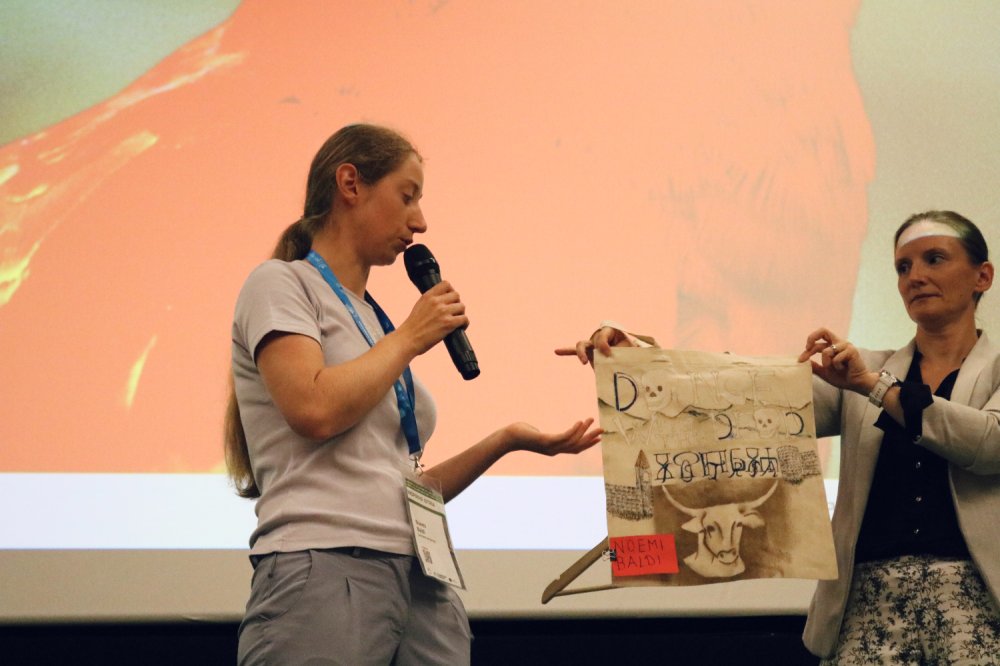
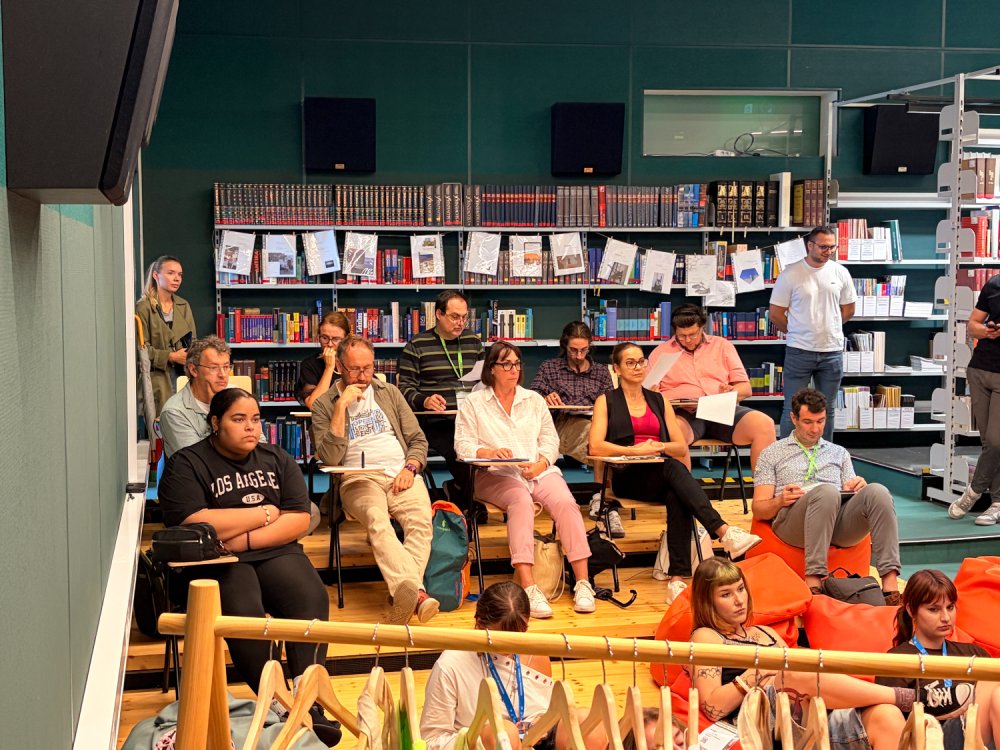
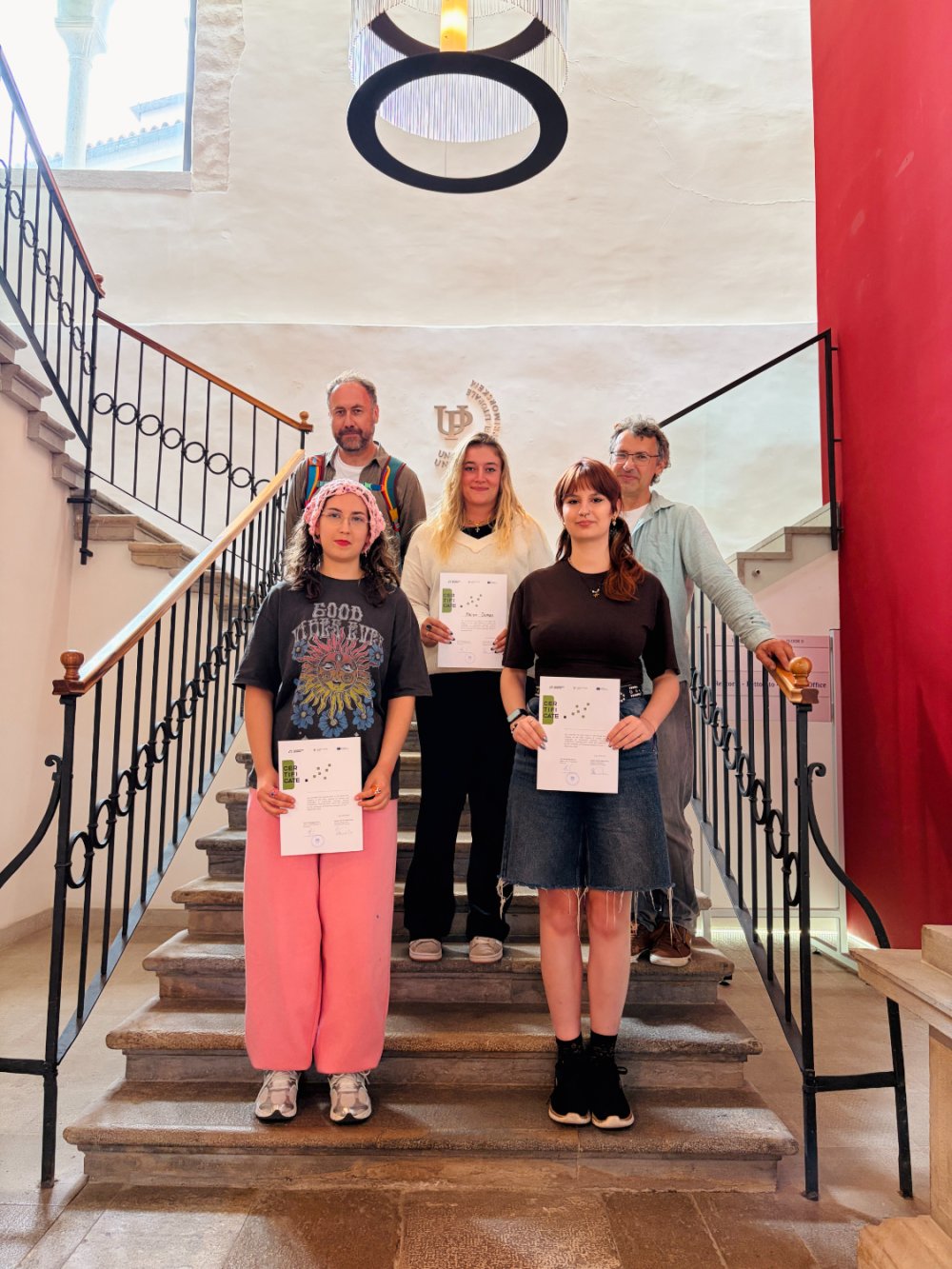
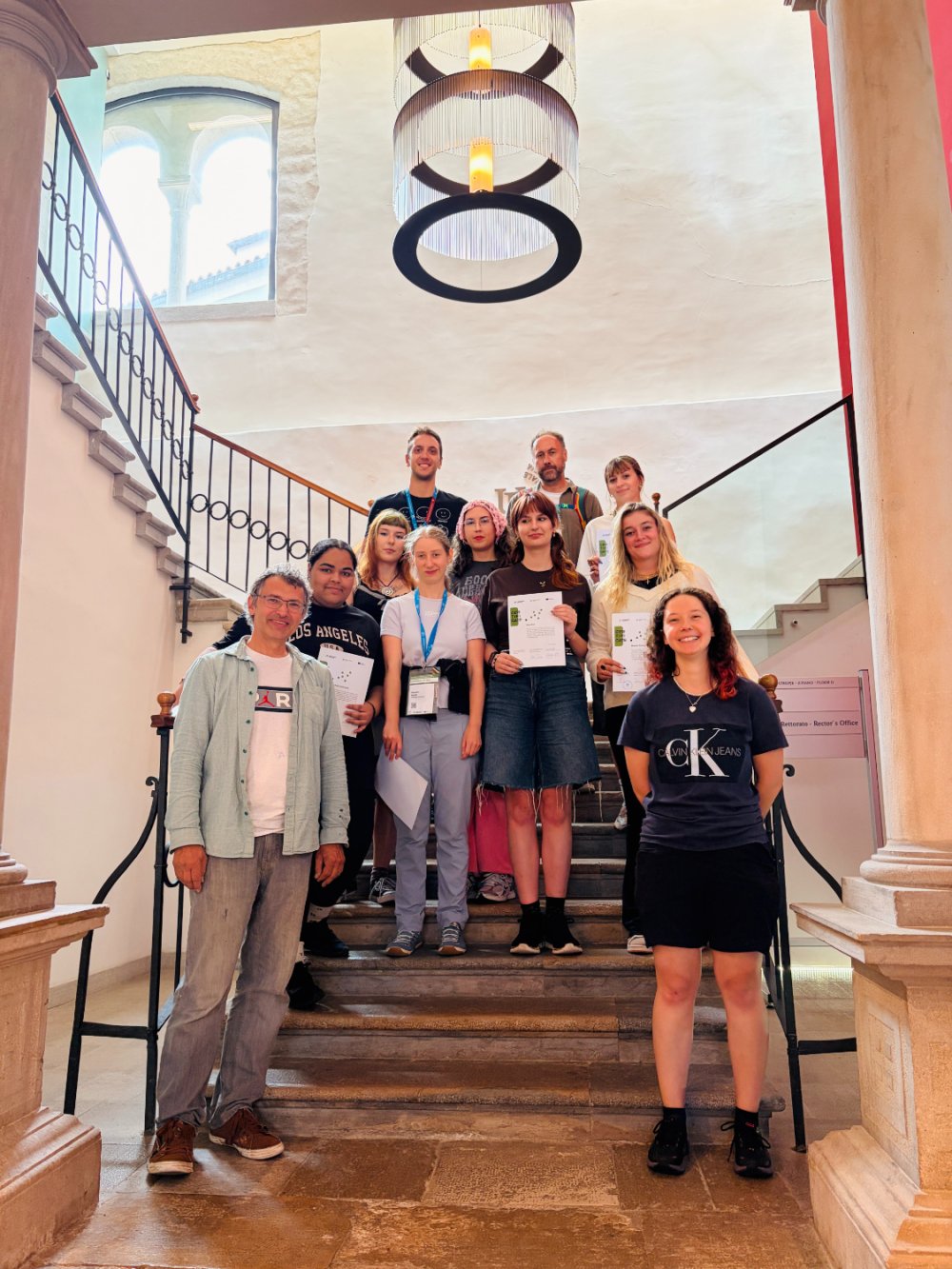
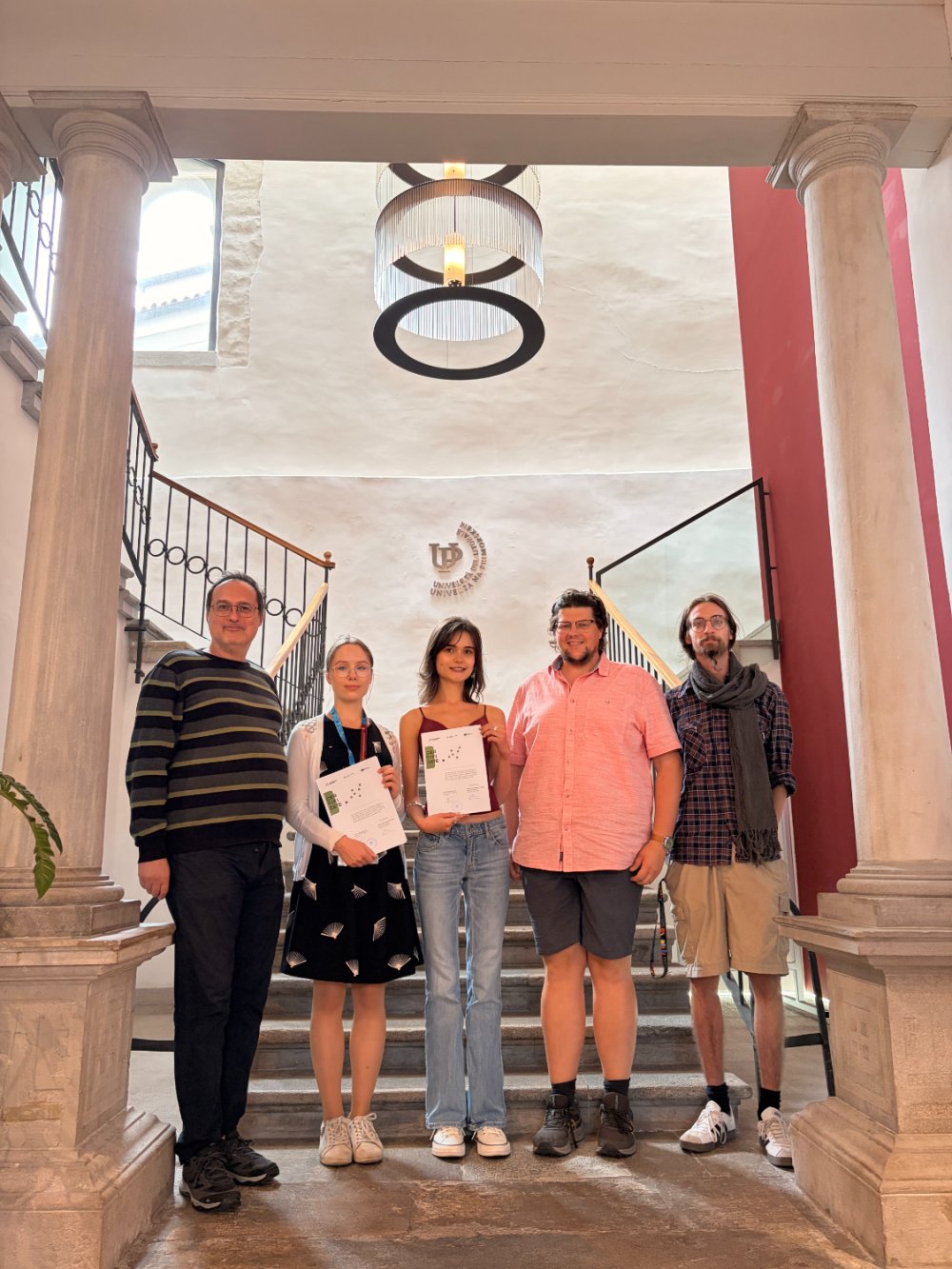
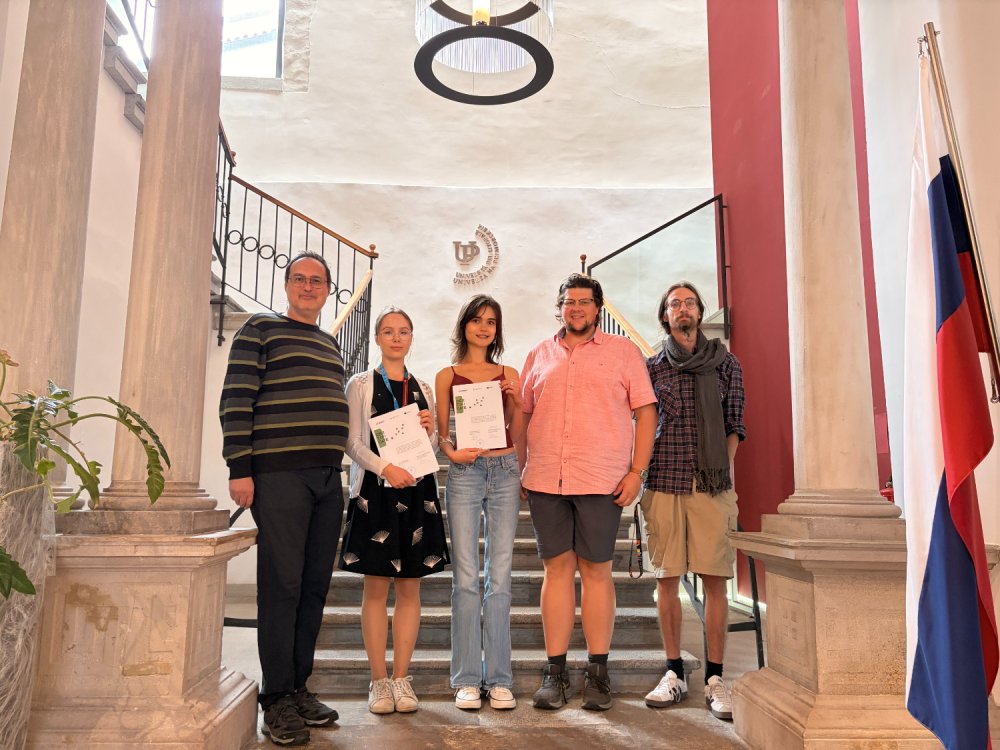
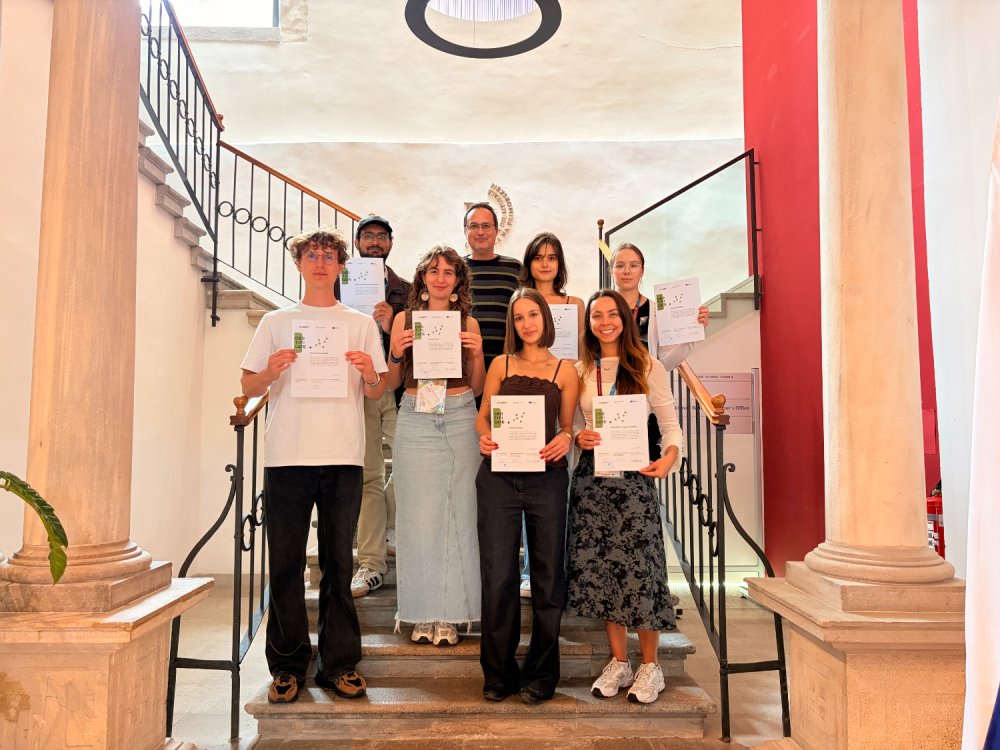
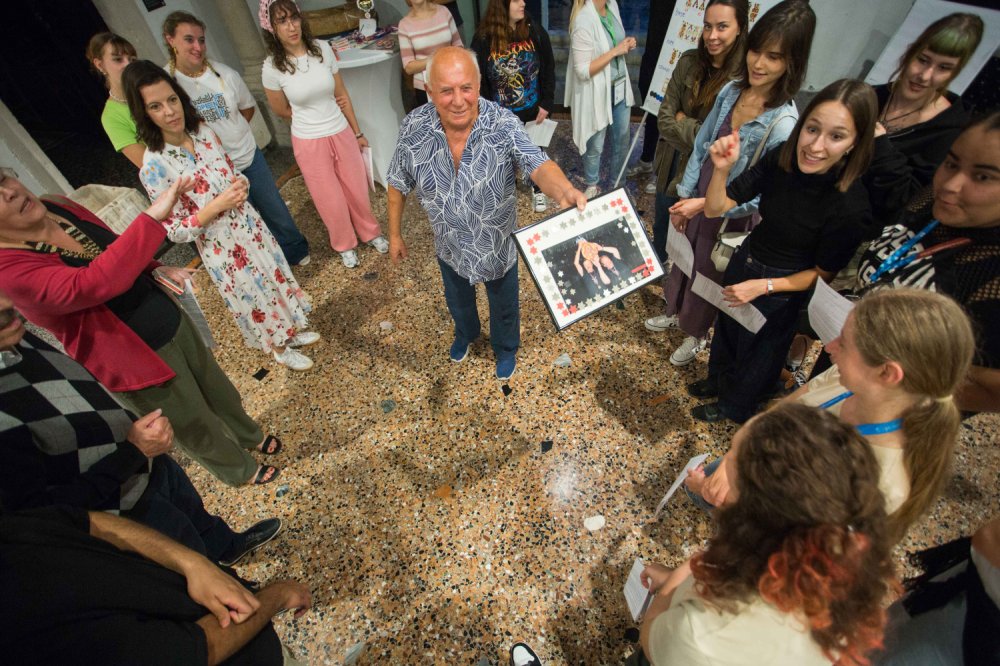
On the last day of the Festival, the students finalized their projects and displayed them at the University Library. As part of the T4EU Sustainable Heritage Student Competition, the creations were reviewed and assessed by a panel of academic experts from UP alongside GLAM+ regional stakeholders. The winners were:
- Visual arts workshop:
- 1st place: Manon Dumas (Jean Monnet University)
- 2nd place: Sara Lopez (Jean Monnet University)
- 3rd place: Maja Byś (University of Silesia in Katowice)
- Audiovisual workshop:
- 1st place: Elma Efendić (UP)
- 2nd place: Slavica Todorović (UP)
- 3rd place: Klara Kettering (Saarland University)
- Poetry workshop:
- 1st place (traditional haiku): Yoana Kancheva (Sofia University “St. Kliment Ohridski”)
- 1st place (non-traditional haiku): Kaja Fijałkowska (University of Silesia in Katowice)
GLAM partners involved in the competition included: Piran Coastal Galleries, Insula Gallery, Otok Institute, Koper Regional Museum, Koper Regional Archives, Koper Youth, Culture and Tourism Centre, Srečko Vilhar Central Library Koper.
GLAM partners involved in the event included: Predloka Parish, Šavrini in anka Šavrinke Cultural Association, Association of Pandolo Clubs of Slovenia, FINED Association, Dekani Tourist Association.
At the crossroads of Central Europe and the Mediterranean, Istria – Slovenia’s only coastal region – is a place shaped by centuries of encounters, exchanges and shifting borders. Its landscapes stretch from the Adriatic coast to a quiet hinterland of olive groves, vineyards and stone villages, long celebrated in stories, art and memory. Here, cultures and languages meet and intermingle, forming a distinctly multicultural environment where identities intersect and evolve. Known by many names and shaped by various influences, Istria – shared today between Slovenia, Croatia, and Italy – remains a space of both connection and contrast, inviting reflection as much as exploration.