
T4EU bootcamp at UP: Heritage and The Anthropocene – Foreseeing Futures
10-12 June 2026 | Koper, University of Primorska
About
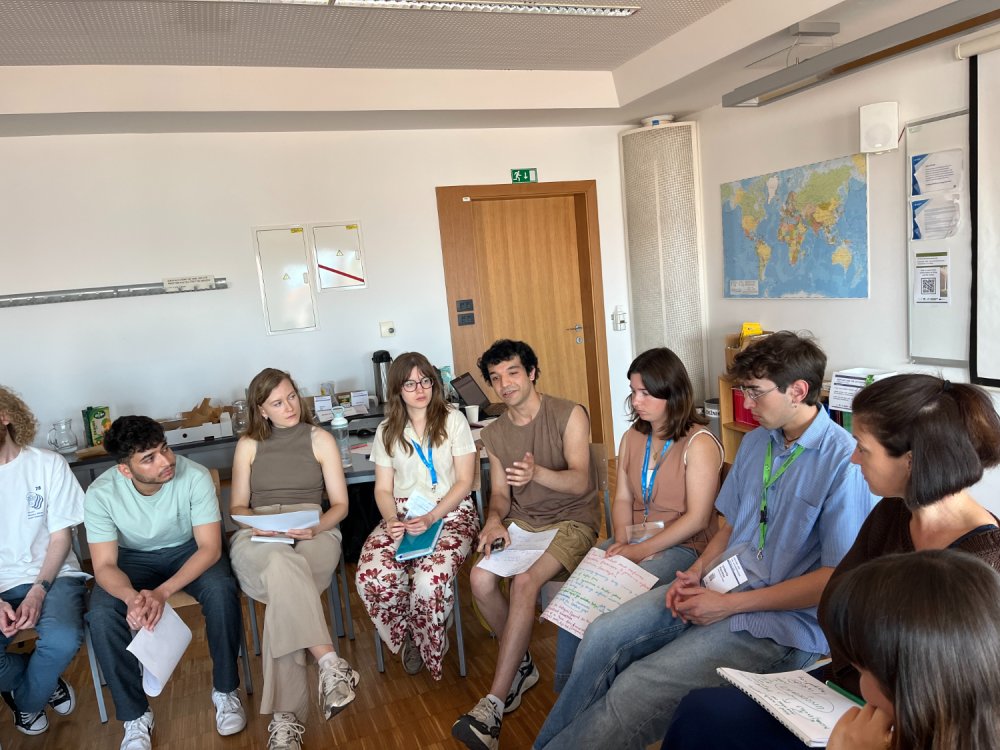
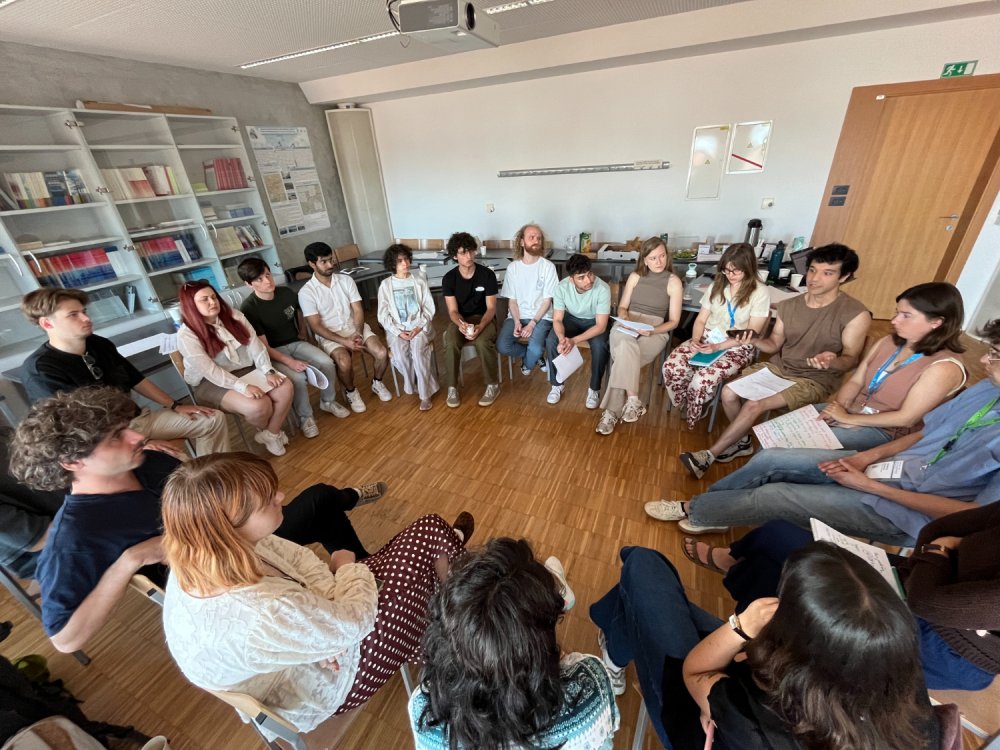
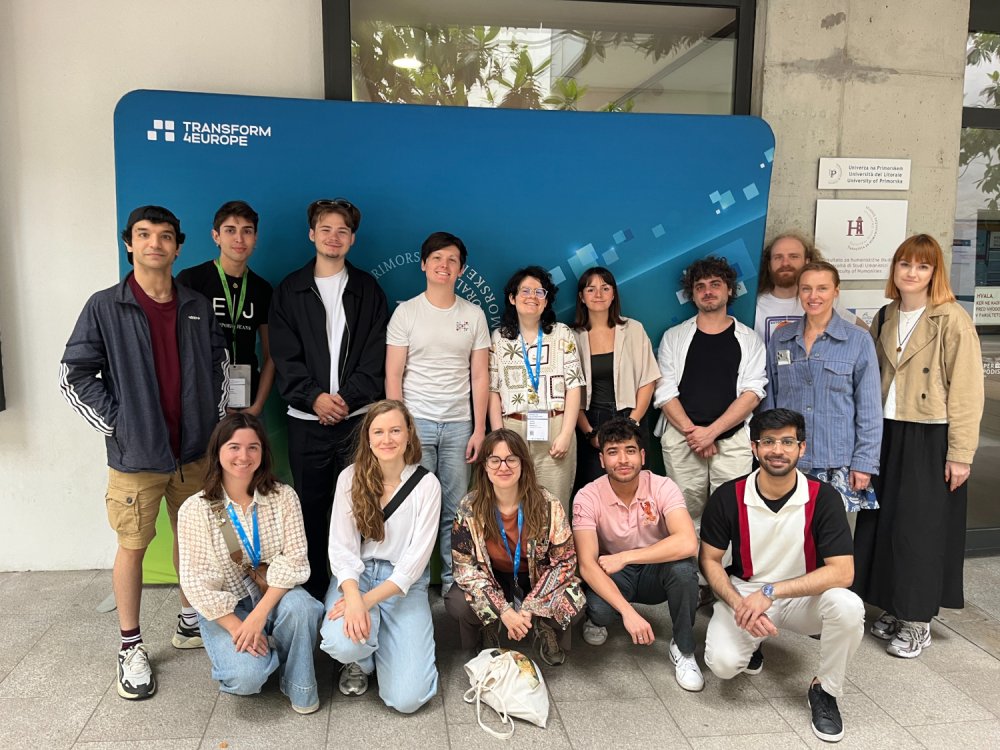
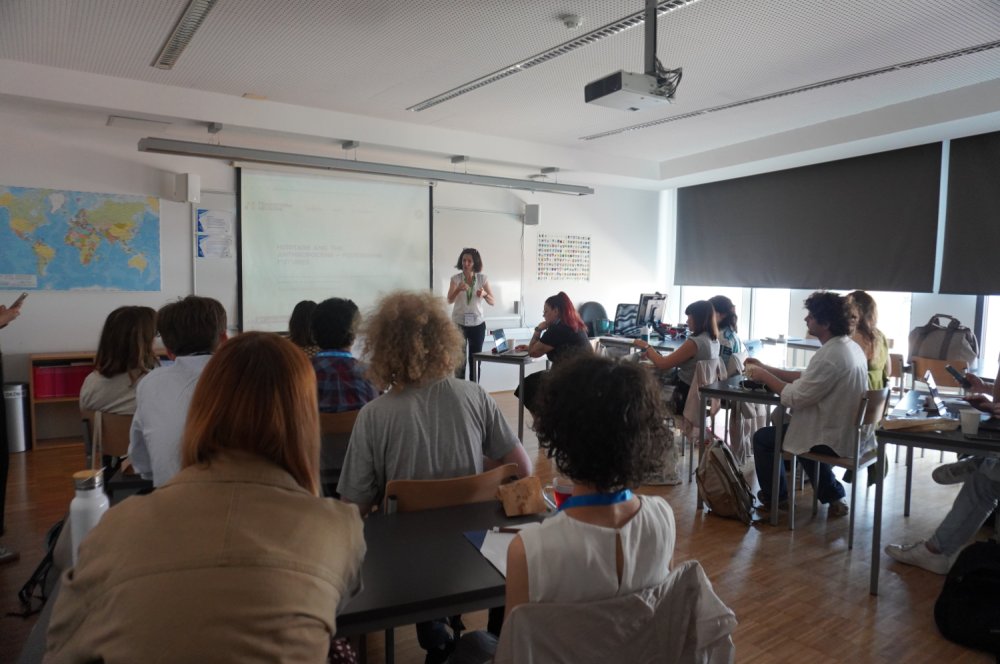
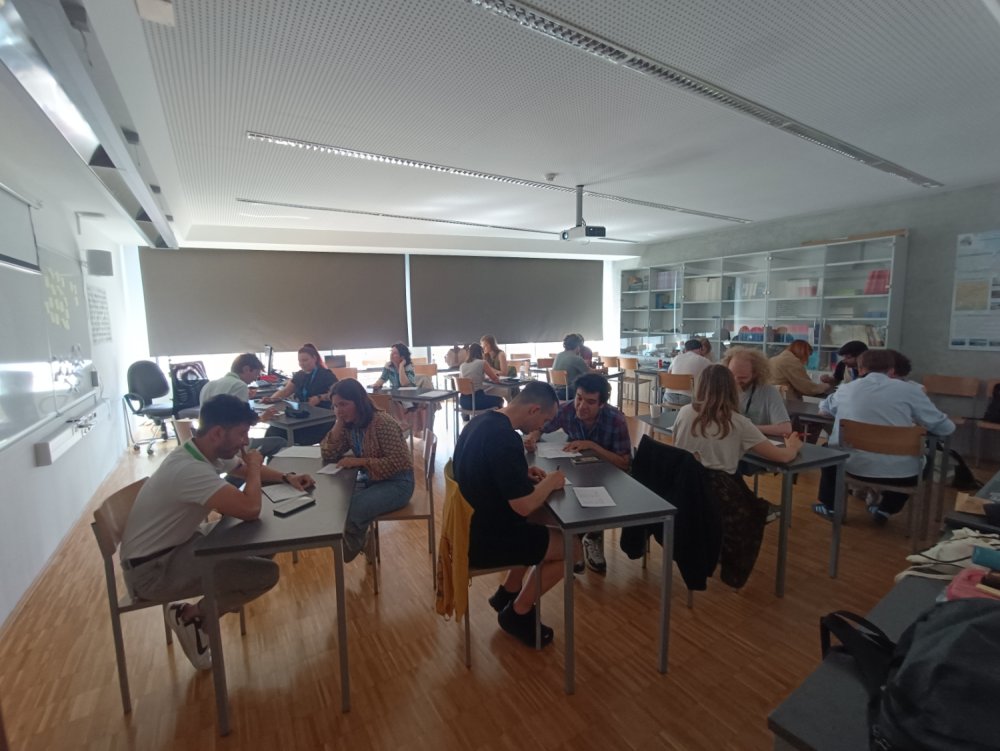
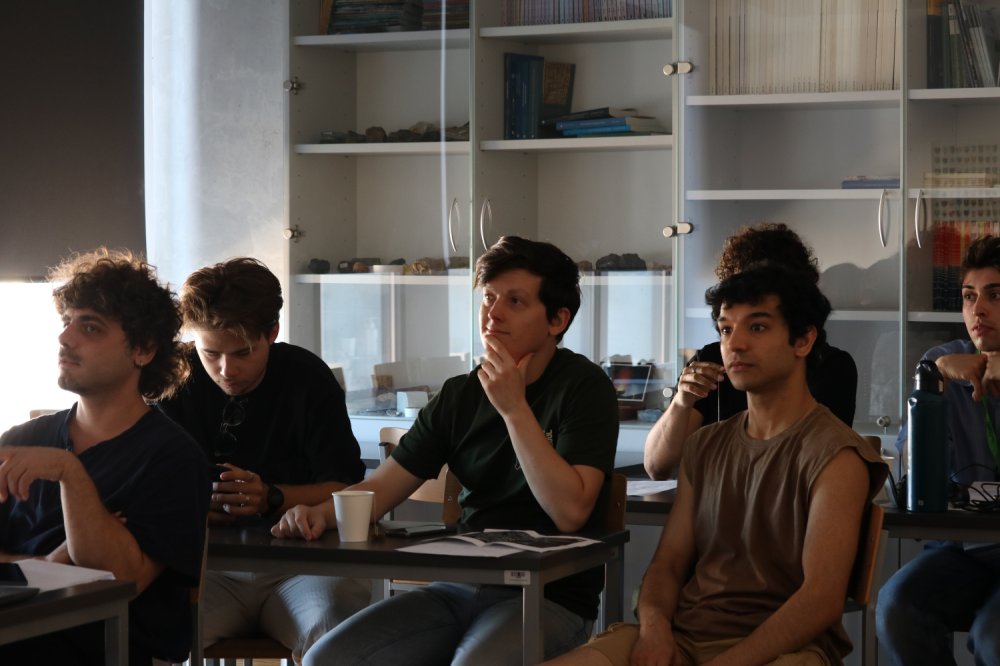
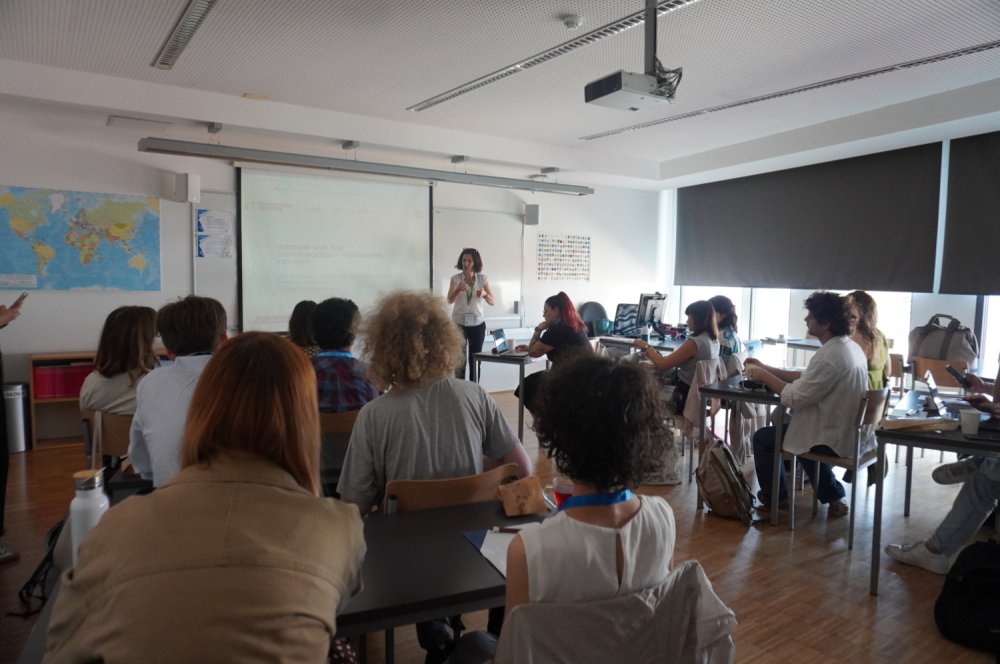
The 3-day Bootcamp, taking place between 10 and 12 June in Koper, at UP FHŠ, brought together 17 Students and Young researchers from different T4EU universities. It was dedicated to the topical issue of the relationship between Anthropocene and heritage.
Recently the charming historic Sicilian town of Niscemi has collapsed due to erosion and not only – recalling another quote of the leading scholars: “Historic sites around the world are at risk from rising sea levels and melting permafrost; museums have become spaces of protest over sponsorship by big oil companies; biobanks and frozen zoos have been created to house genetic material in danger of becoming extinct; oral history projects have been undertaken to record memories of changed landscapes in an attempt to counteract the ‘shifting baseline syndrome’.” This Harrison & Sterling’s list was proposed as a tool to confront the participants with the question of the role of heritage experts and institutions (custodians, policy makers and scholars) and reflect on how to deal with – but also how to communicate – these issues to major public. Following the call of the critical heritage studies’ epistemology, we invite participants to dwell on the questions related to the geopolitics of climate crisis and the Anthropocene, raised by the leading scholars.
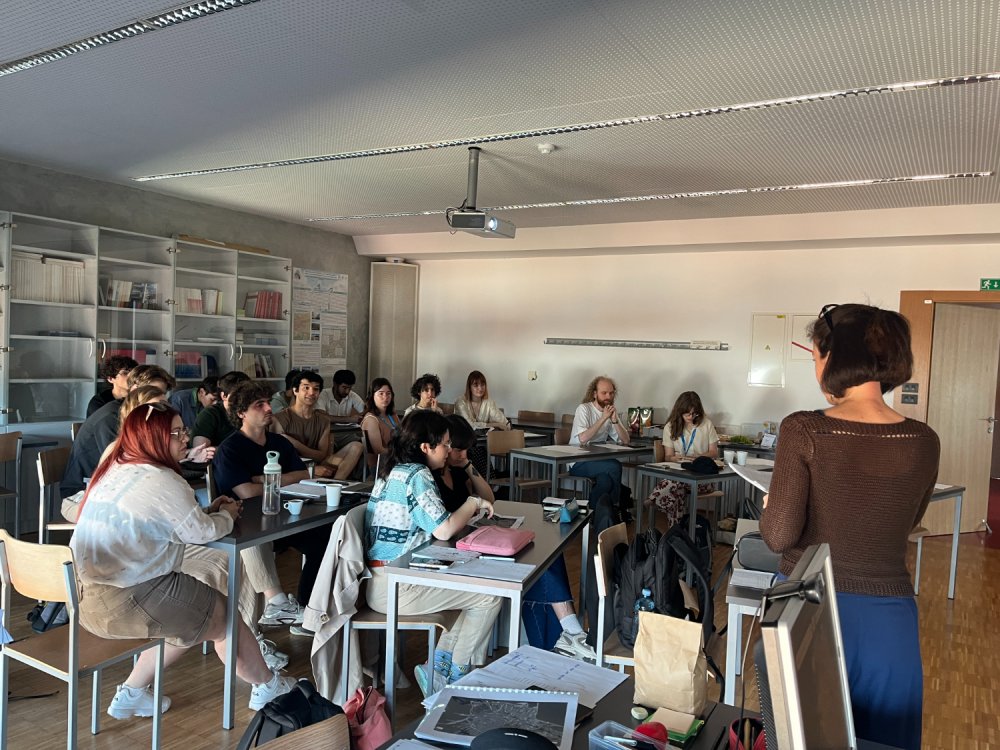
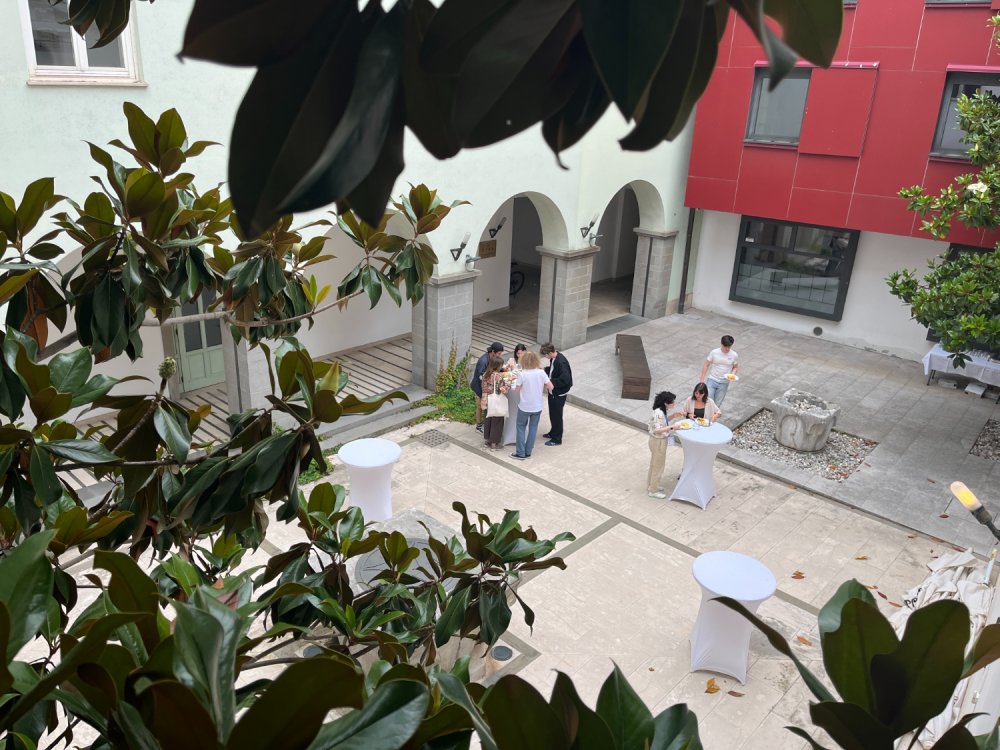
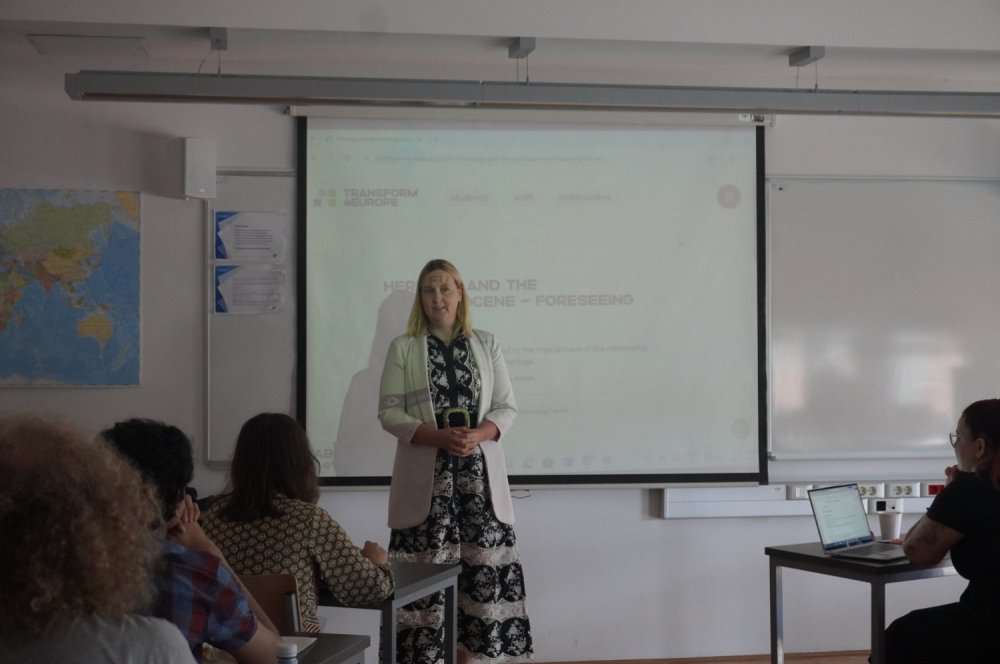
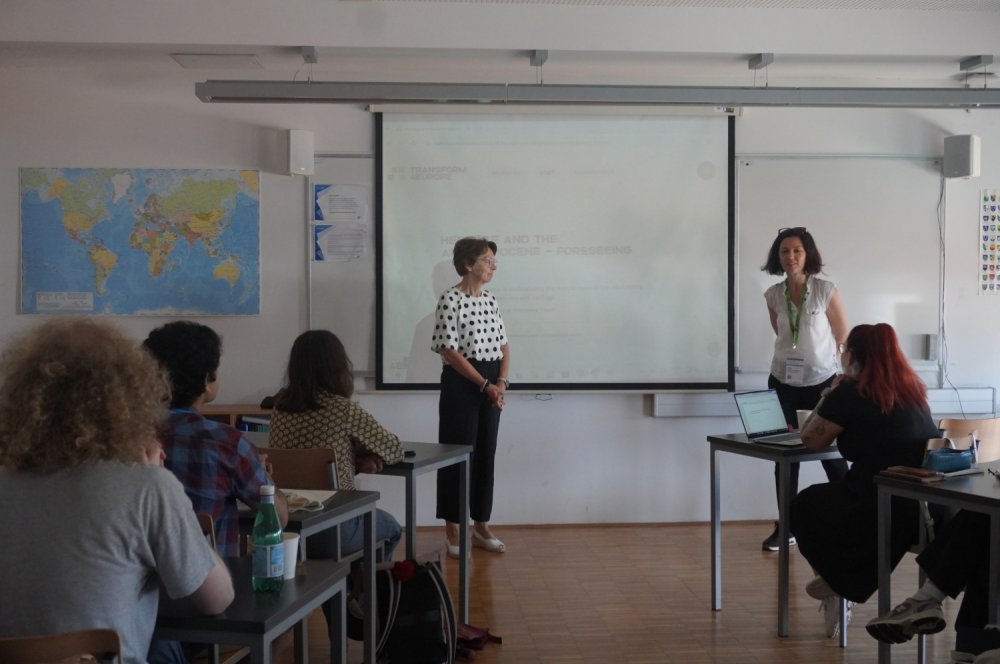
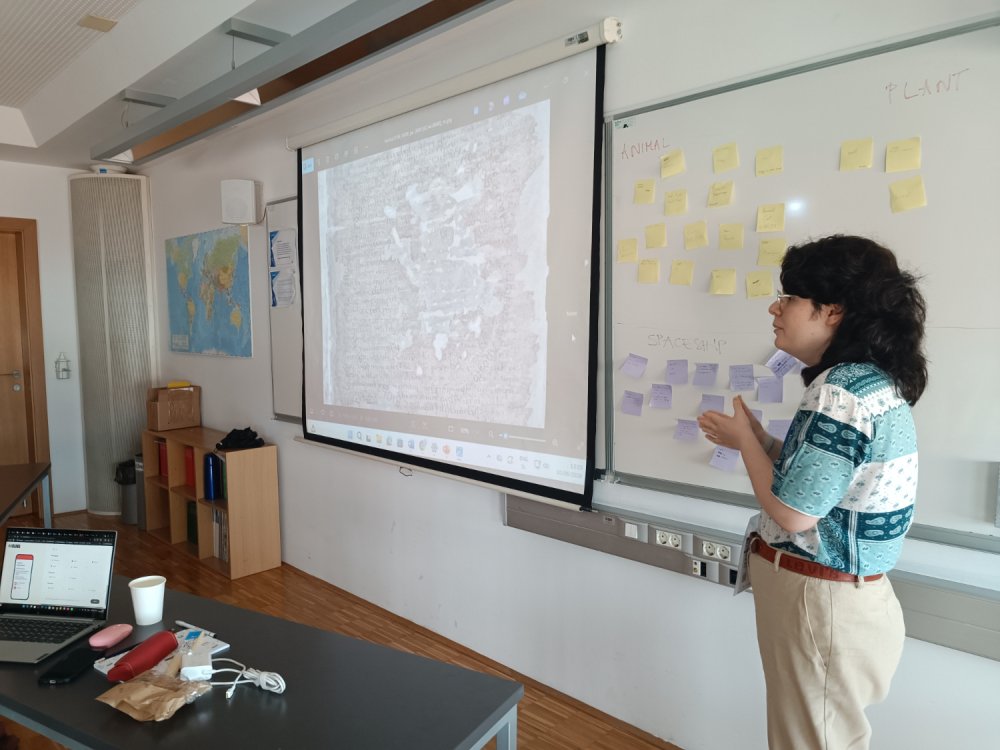
First day was opened with key-note by Neža Čebron Lipovec (UP): “’Forecasting or foreseeing? Heritage as future-making” and was followed by a groupwork (student presentations and their research, group exercise), a chance for participants to look closely at colleagues work. The second key-note was presented by Maja Bjelica (ZRS Koper) “Transdisciplinary Research in Environmental Humanities: The Case Of Salt-Working” – the first and second days concluded with informal gatherings that further brought together participants from various universities and fields of research and study.
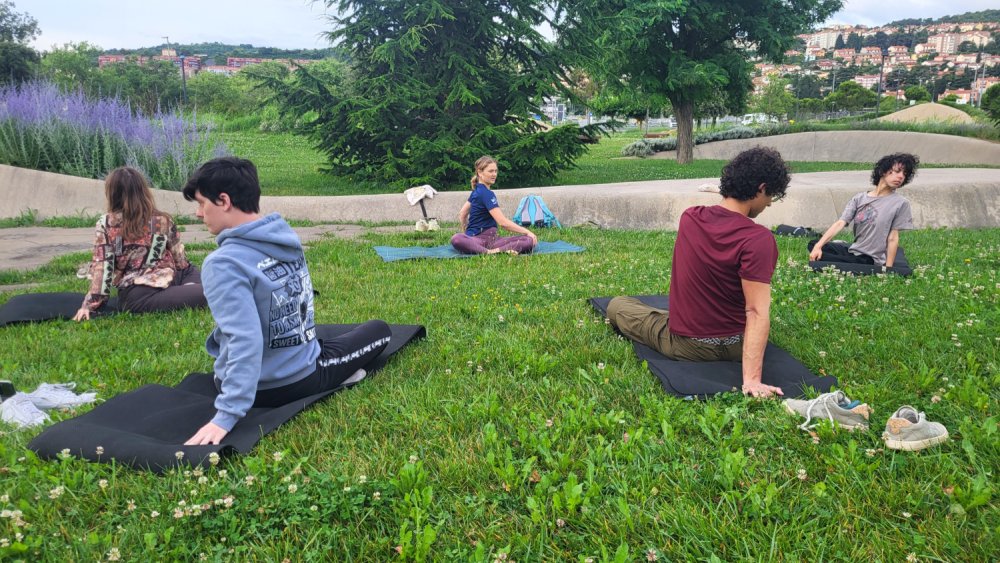
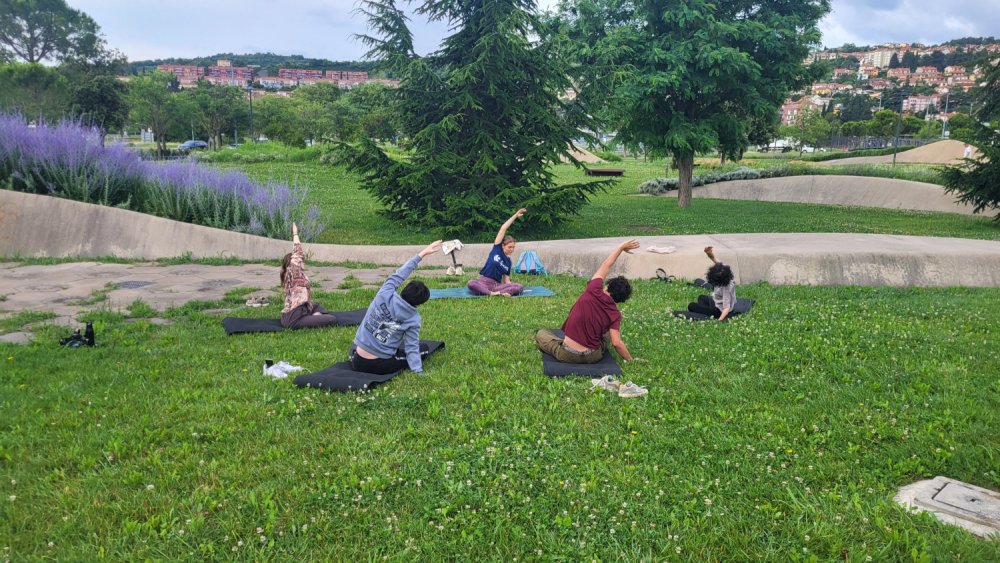
Next two days started with yoga in main city park – giving the participants the opportunity for some wellbeing and relaxation if needed. They continued their work first with key-note by Špela Ledinek Lozej and Nataša Rogelja Caf (ZRC SAZU): “Experiencing Interpretative Methods: Walking Seminar in Koper”, followed by a silent walk in Koper, visiting the new city history exhibition in city tower. Participants were also involved in workshop – Applying the lecture’s topic to my research before heading to a sensory walk through Izola with prof. Alenka Janko Spreizer (UP). Friday was the day for wrap-up and group work “Future-making challenges” and presentations.
Bootcamp Organizing committee was: Neža Čebron Lipovec, Helena Bažec, Žiga Jevšnik, with the support of Michael Mrissa and Zrinka Mileusnić.
The Critical Heritage LAB (t-lab), initiated by Vytautas Magnus University and led by University of Primorska, is a collaborative project within some T4EU partners. T-Lab open collaborative space and aims to bring together academia, organizations, institutions, NGOs, businesses, and other partners to foster research, teaching, student mobility, and cooperation between universities, while also engaging non-academic stakeholders. It aims at promoting research in the field of critical heritage within the members of the T4EU network. The bootcamps are a key part of the T4EU t-labs, providing focused, hands-on training sessions that teach specialised skills. The goal is to help students and regional partners create international, interdisciplinary projects using a “learning by doing” approach.