Home » News » The T4EU Matchmaking Event in Katowice
About
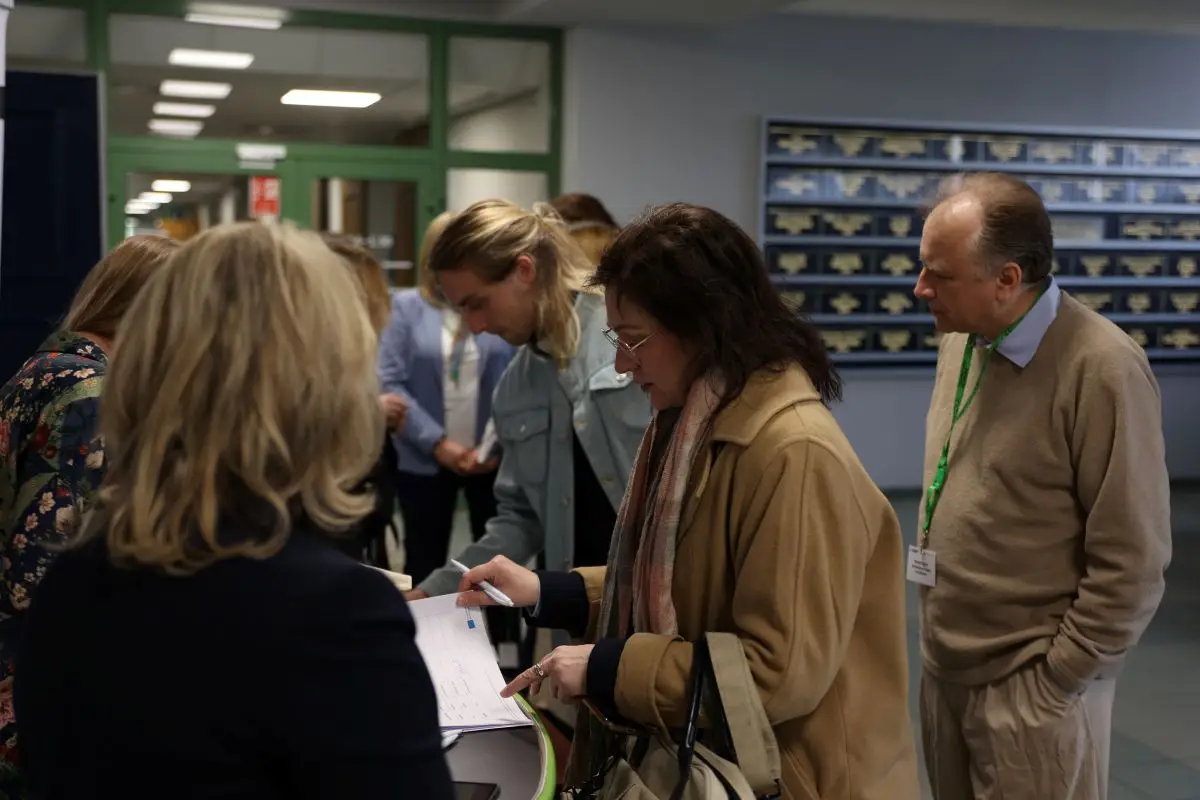
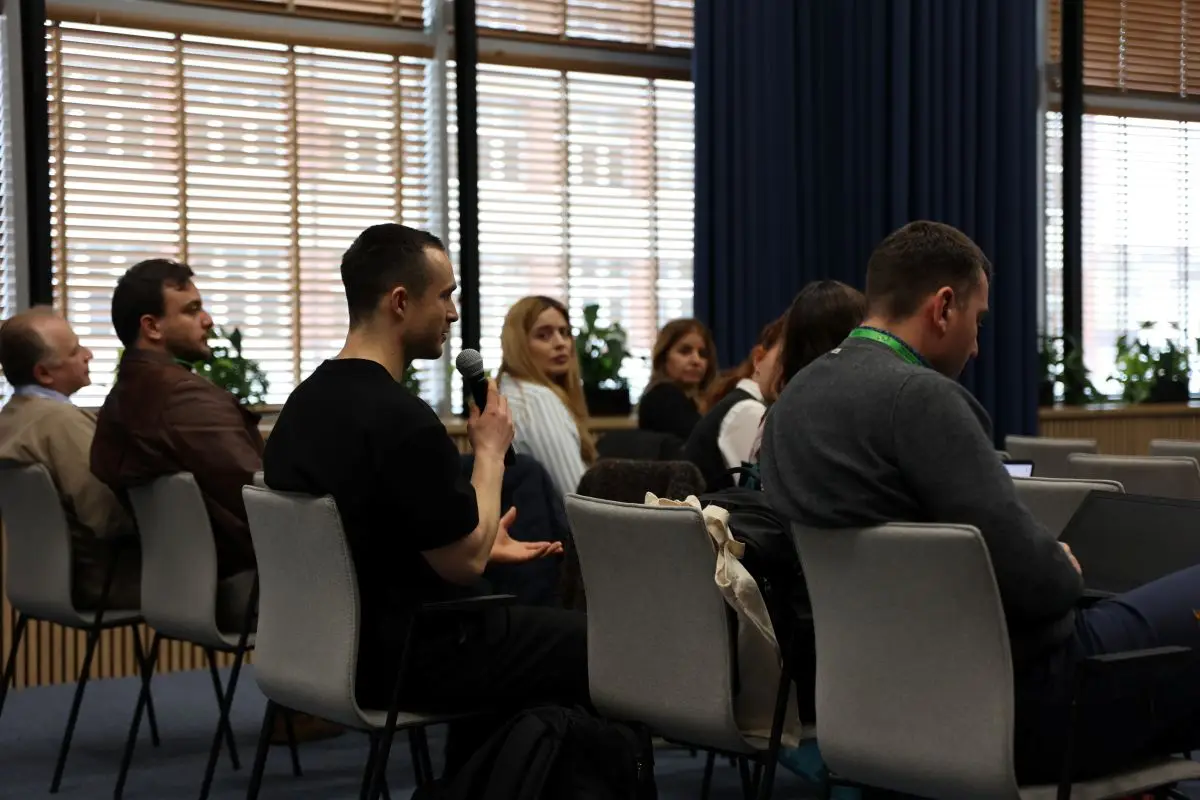
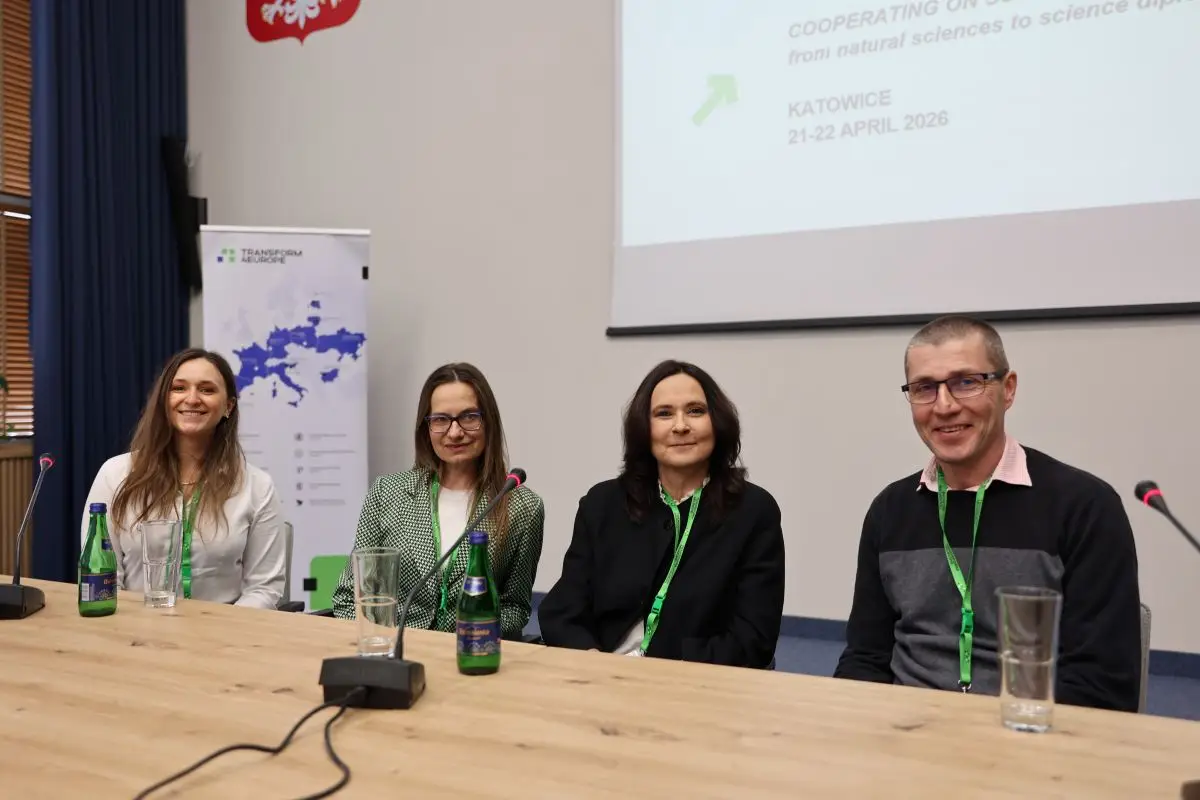
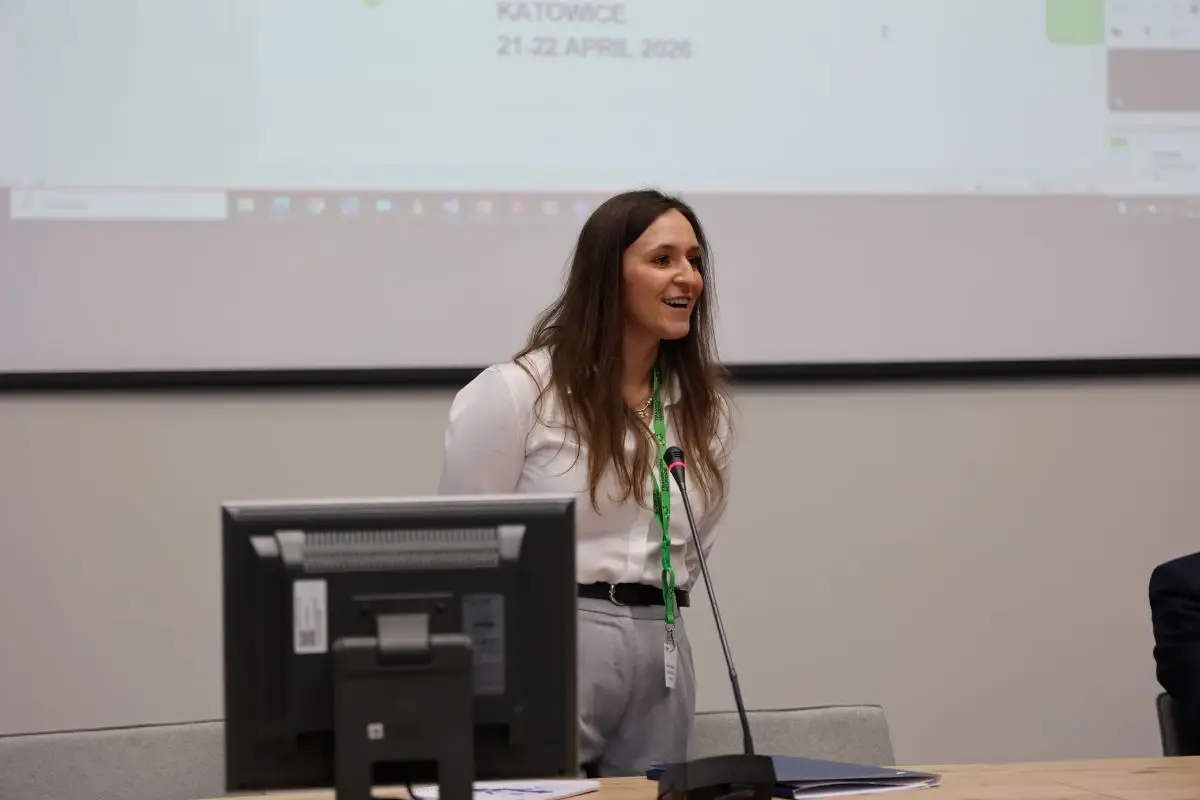
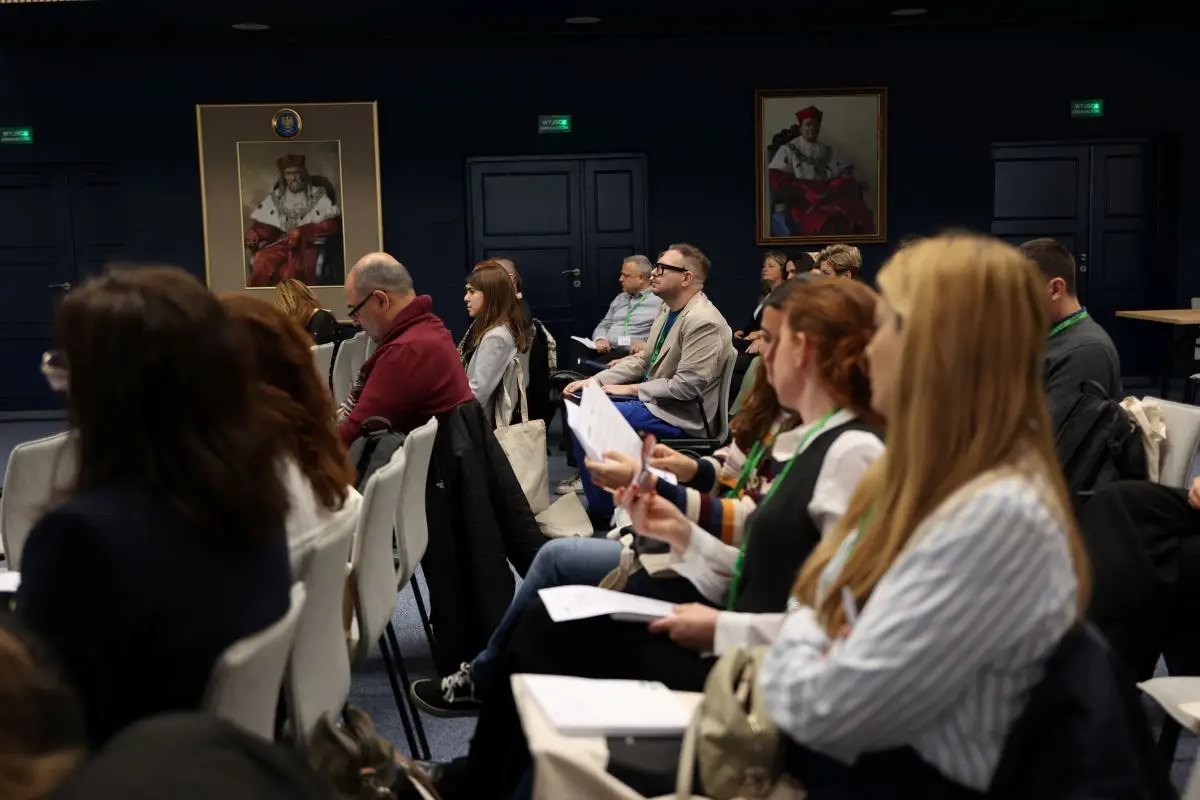
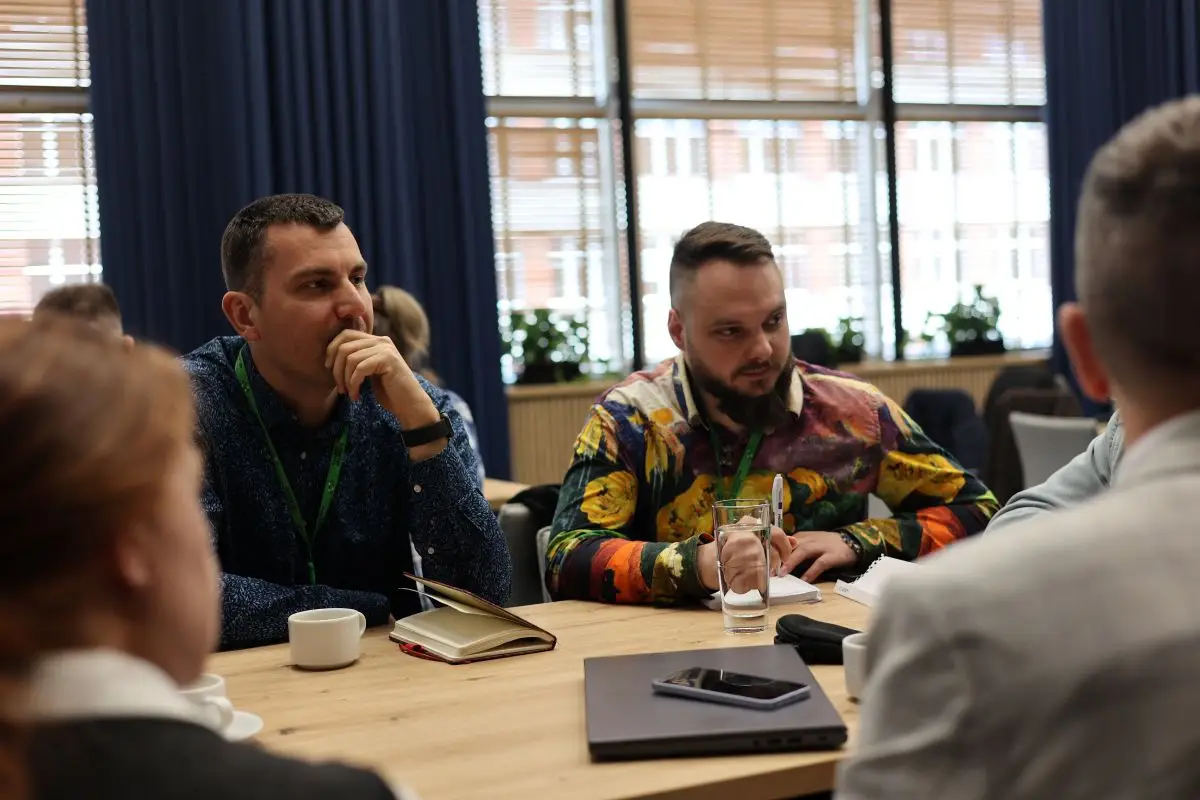
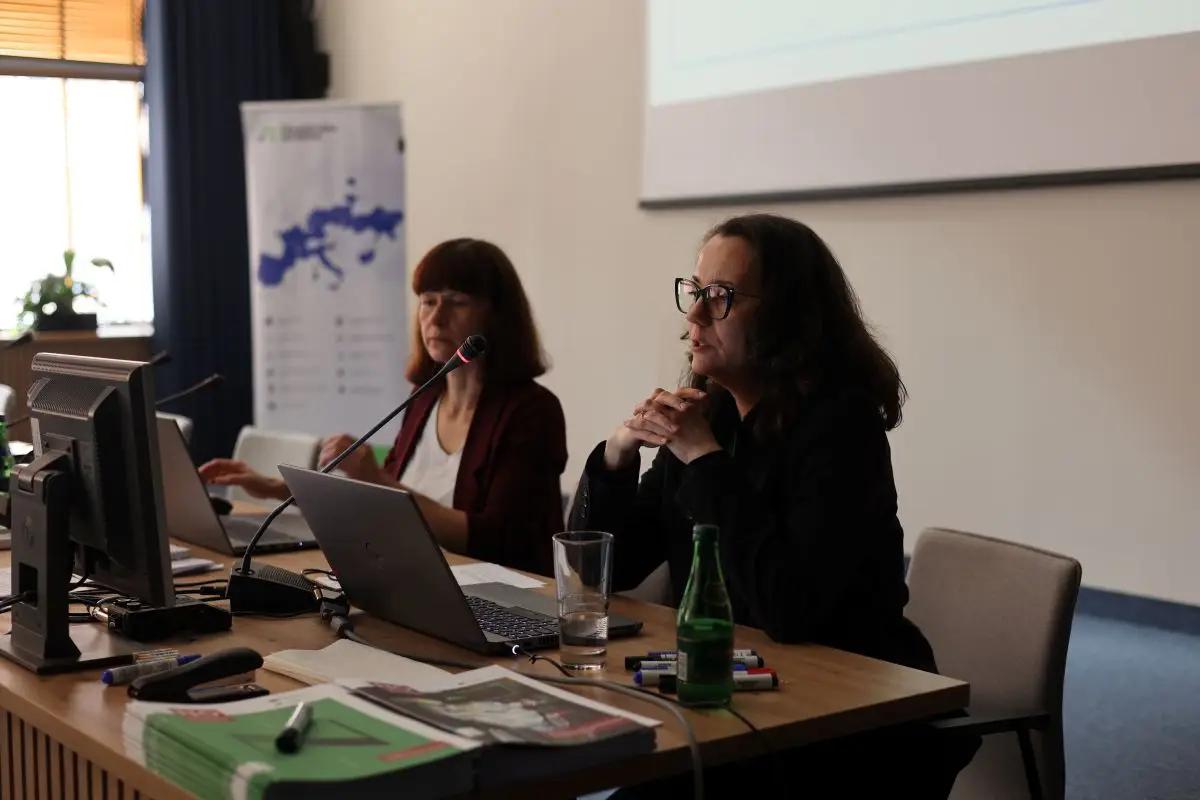
The T4EU Matchmaking Event in Katowice took place on 21-22 April, gathering around 60 participants representing various academic fields and different T4EU partner universities. The event commenced with a roundtable moderated by the University’s Deputy Coordinator of T4EU, Dr Emilie Szwajnoch and featuring academic staff of the University of Silesia in Katowice, who have been engaged in various T4EU initiatives and shared insights into the implementation of educational and research undertakings within the Alliance. The panellists (Prof. Magdalena Bąk, Prof. Agnieszka Babczyńska, Dr Marcin Lipowczan) provided many examples of the collaboration within the T4EU framework that led to successful projects and increasing joint educational offer.
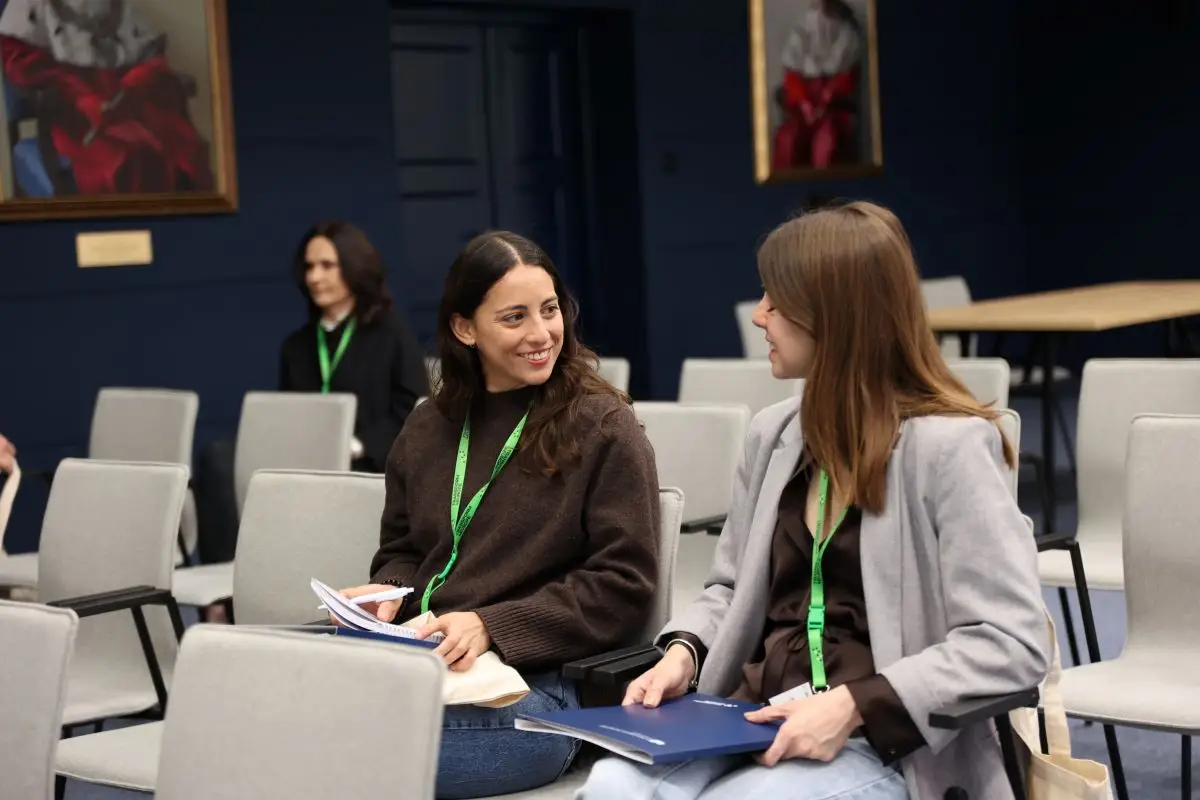
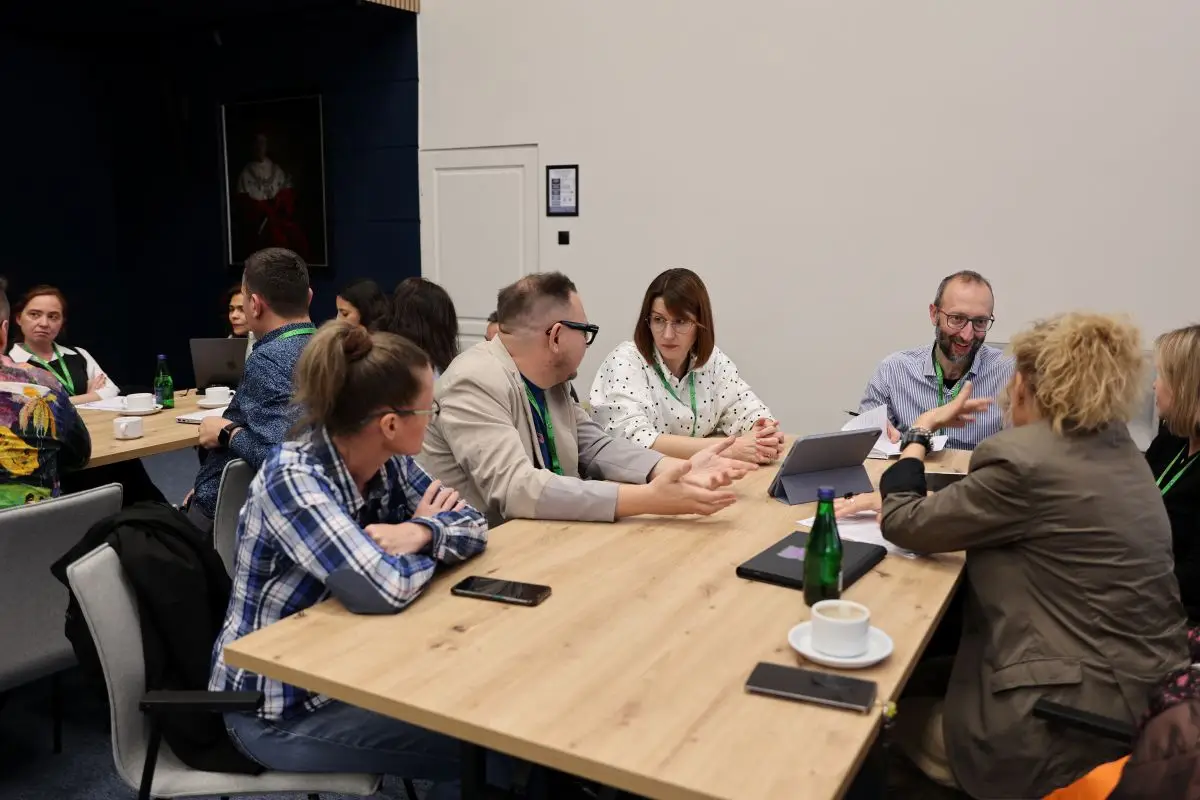
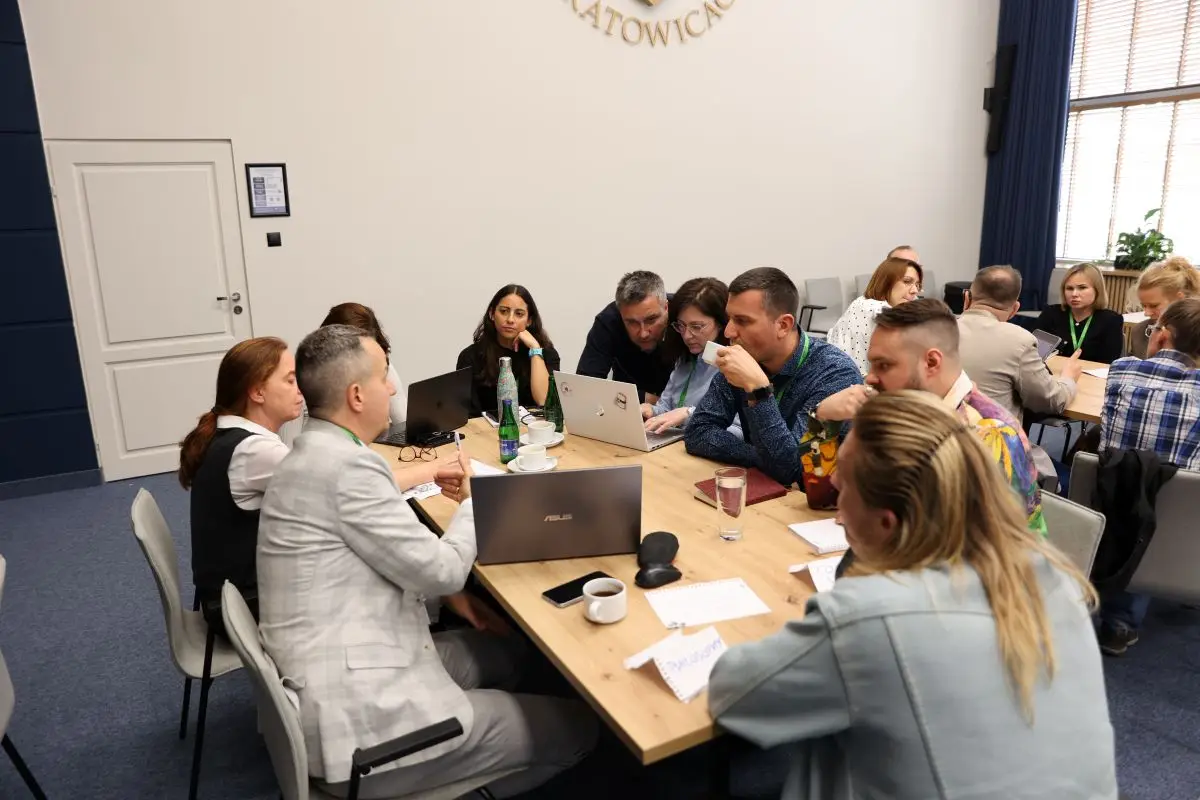
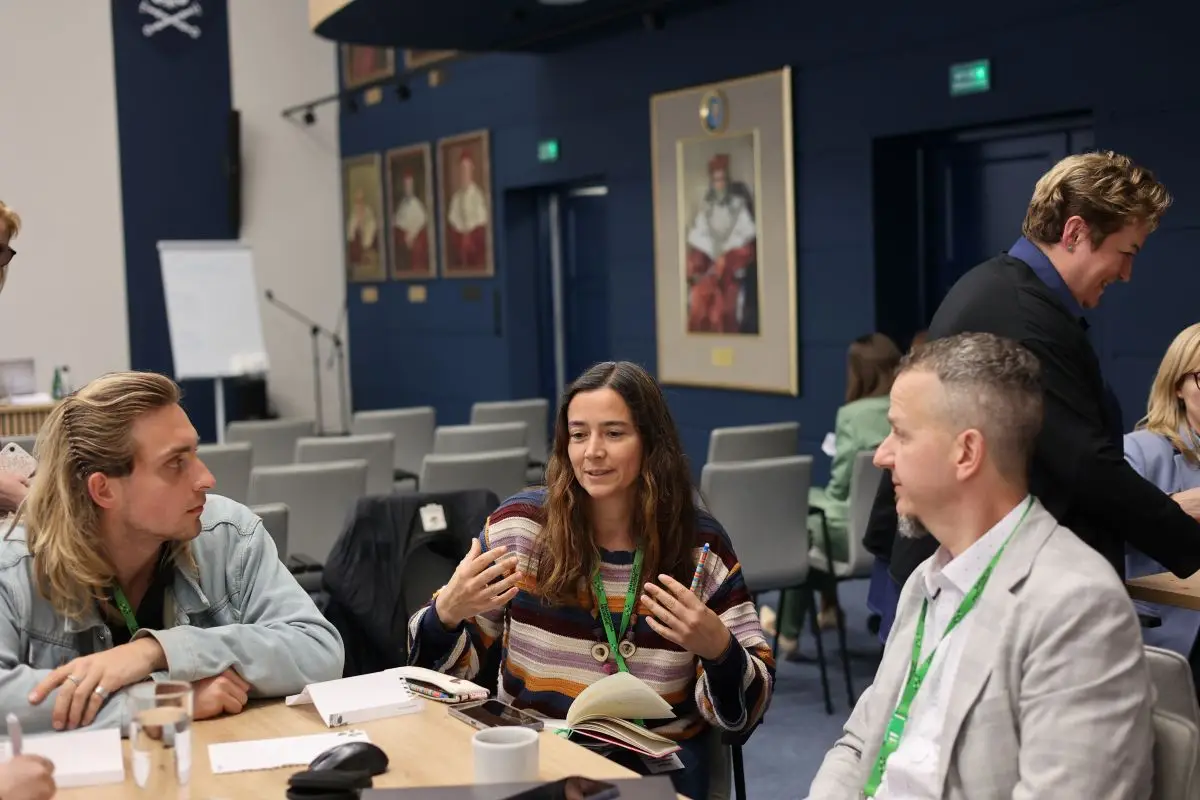
The plenary roundtable was followed by a systemic presentation of potential forms of cooperation within the T4EU Alliance. Presented by Agnieszka Kwaśniak from the T4EU Office at the University of Silesia, it provided a broad overview of the possibilities and informed further discussions between partners during pitch sessions that followed. The pitch sessions provided a chance for individual and group discussions with a view to triggering or continuing collaborations of various forms between experts from partner universities. The sessions were filled with simultaneous discussions of and presentations of study programmes, offers, and educational and research interests, also with experts joining online.
Day two was opened by a session on the Horizon programme opportunities. It was led by the Joint Grants Office expert, Dobromiła Stano, Coordinator for International Research Project at the University of Silesi,. It was a valuable source of information on funding opportunities dedicated to specific academic fields that could be of interest to T4EU partners and support or boost their collaboration. It was followed by individual and group consultations. At the same time, informal discussions on the next steps of collaboration between partners continued.
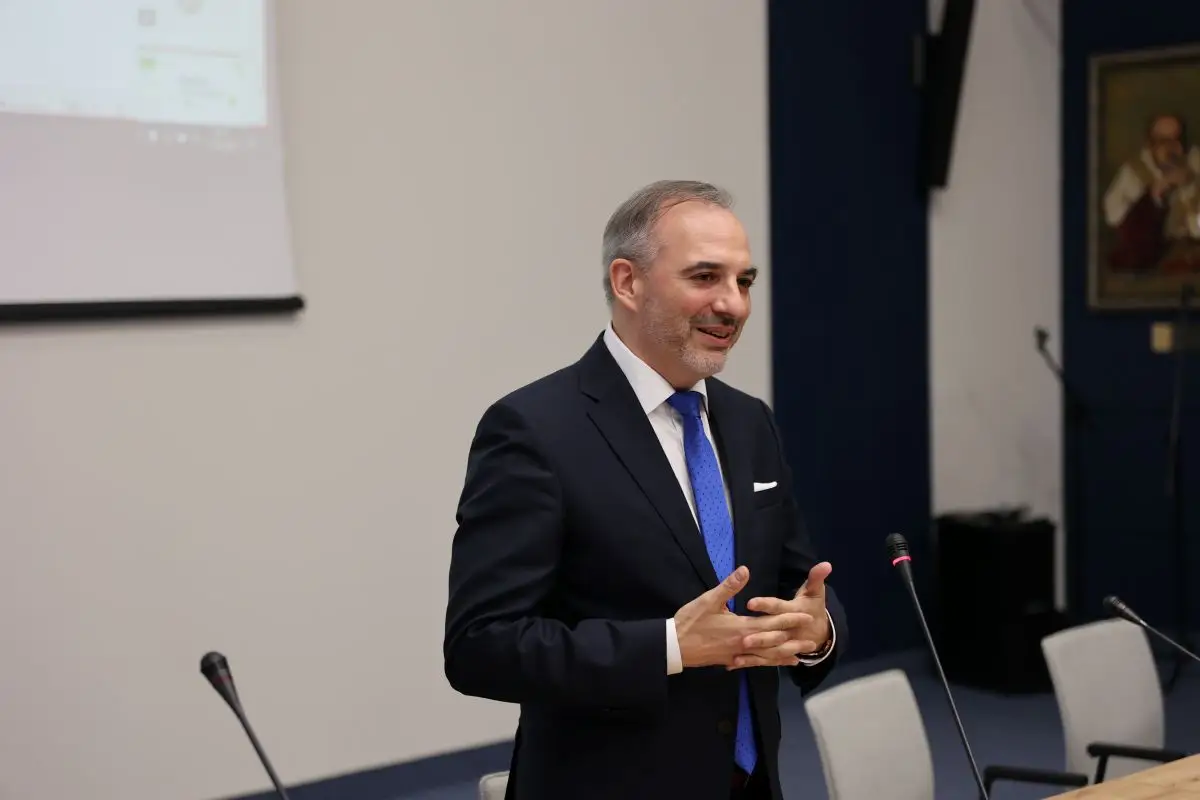
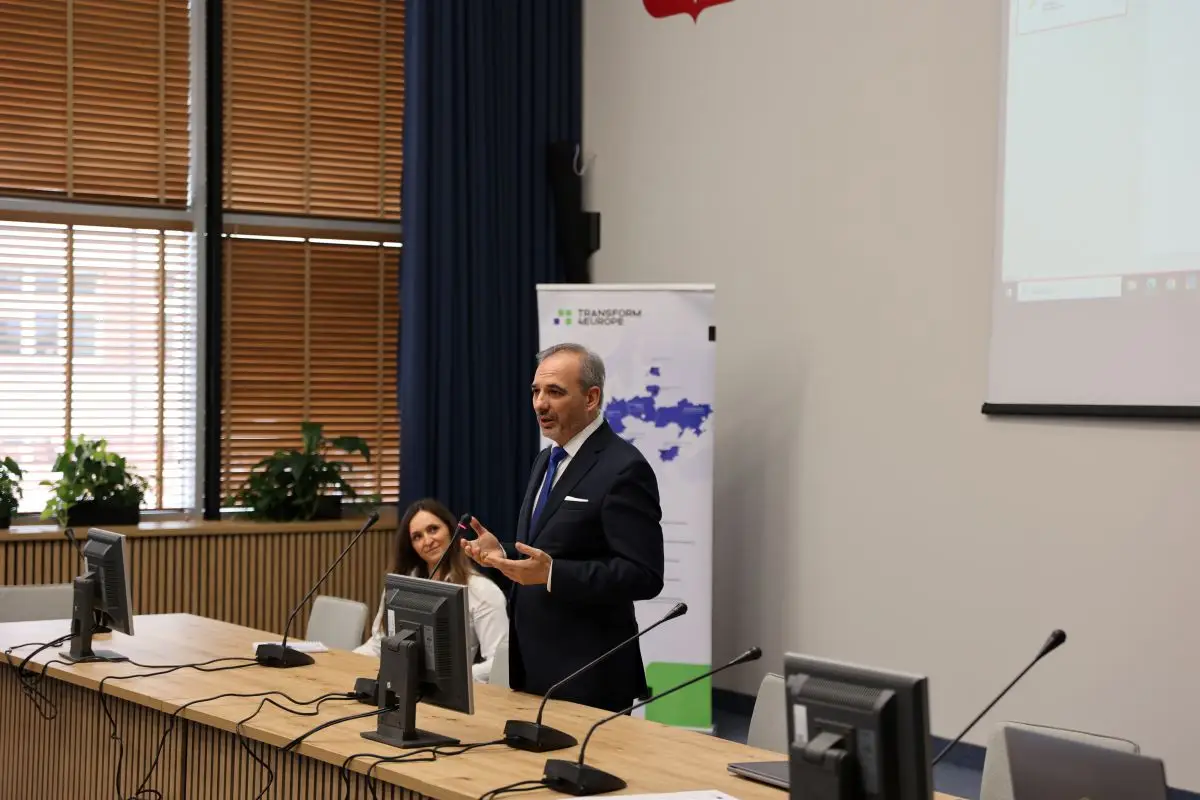
The event was closed by a workshop led by the Director of the Science Department, Dr Dawid Matuszek. It focused on AI tools that can be used in research, education and university administration, and constituted a useful overview of available platforms that facilitate academic and administrative activities, allowing to diminish the burden of drafting documents and collecting data, improving the quality of daily work and its results.
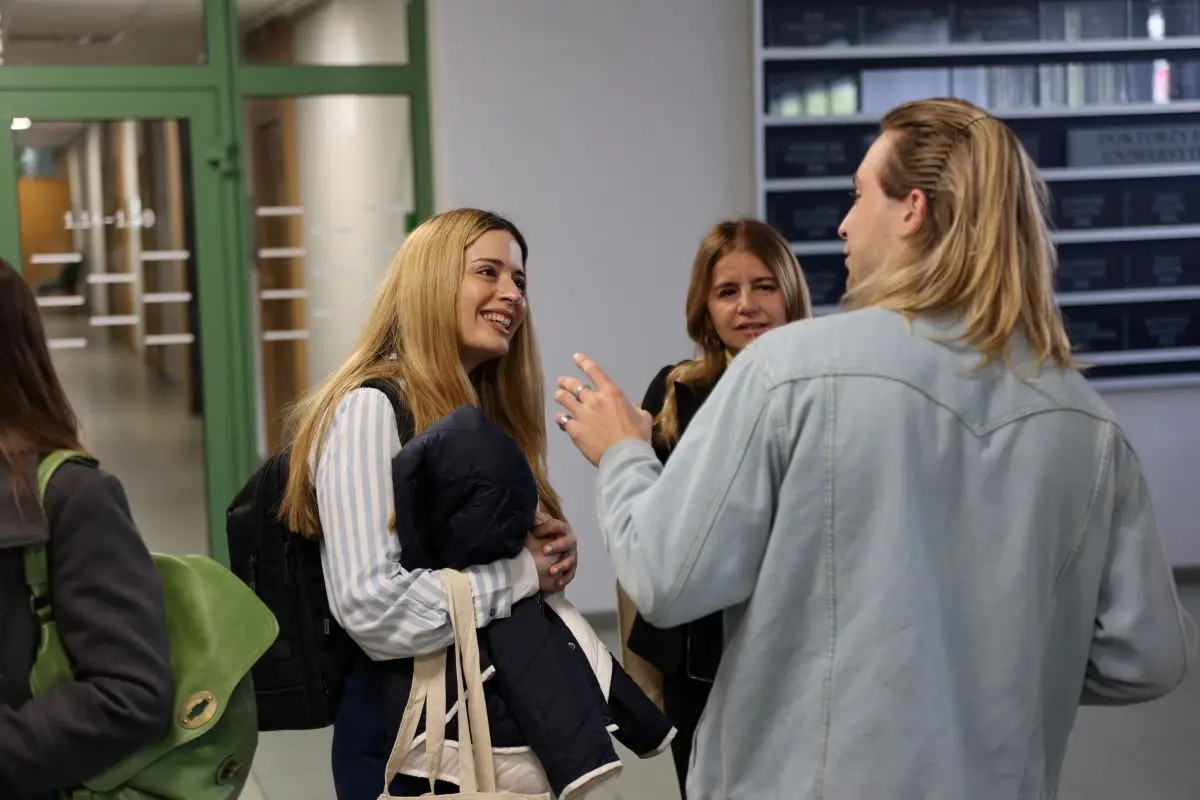
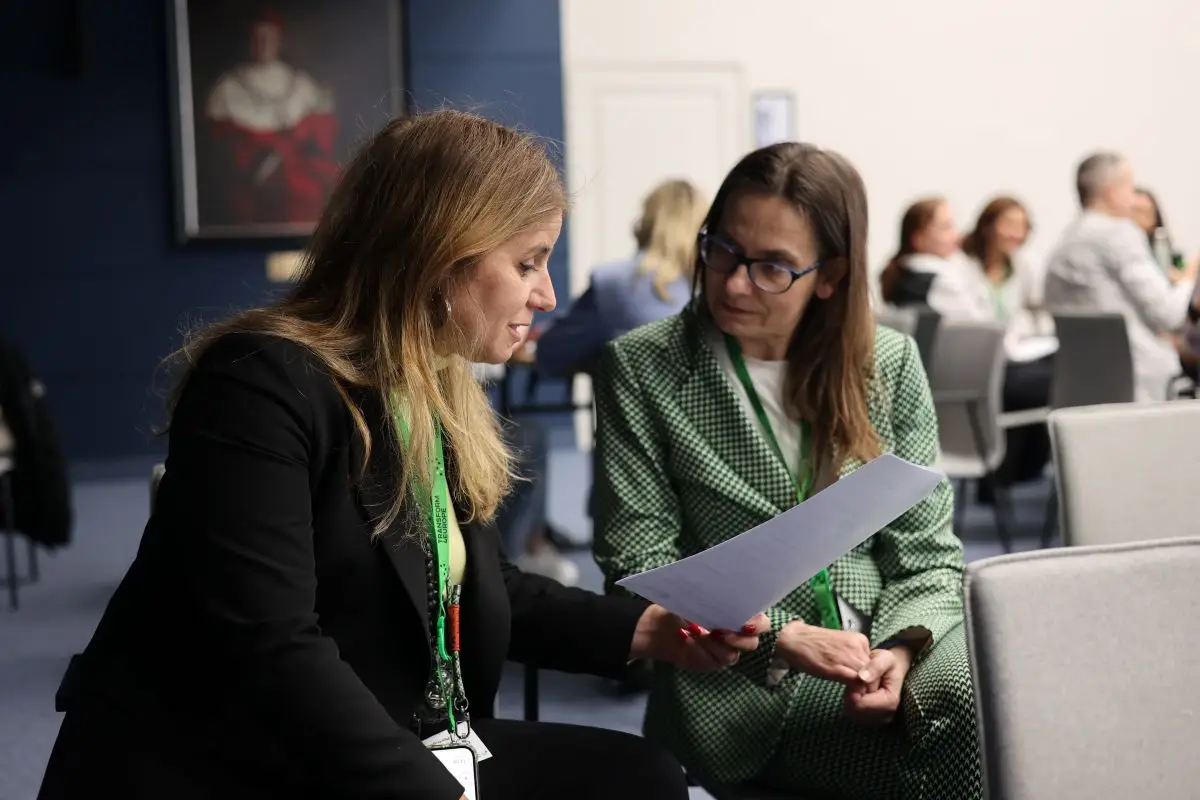
The participants also enjoyed the networking that occurred during the informal exchanges, which might lead to the development of joint initiatives and to the strengthening of existing cooperation.