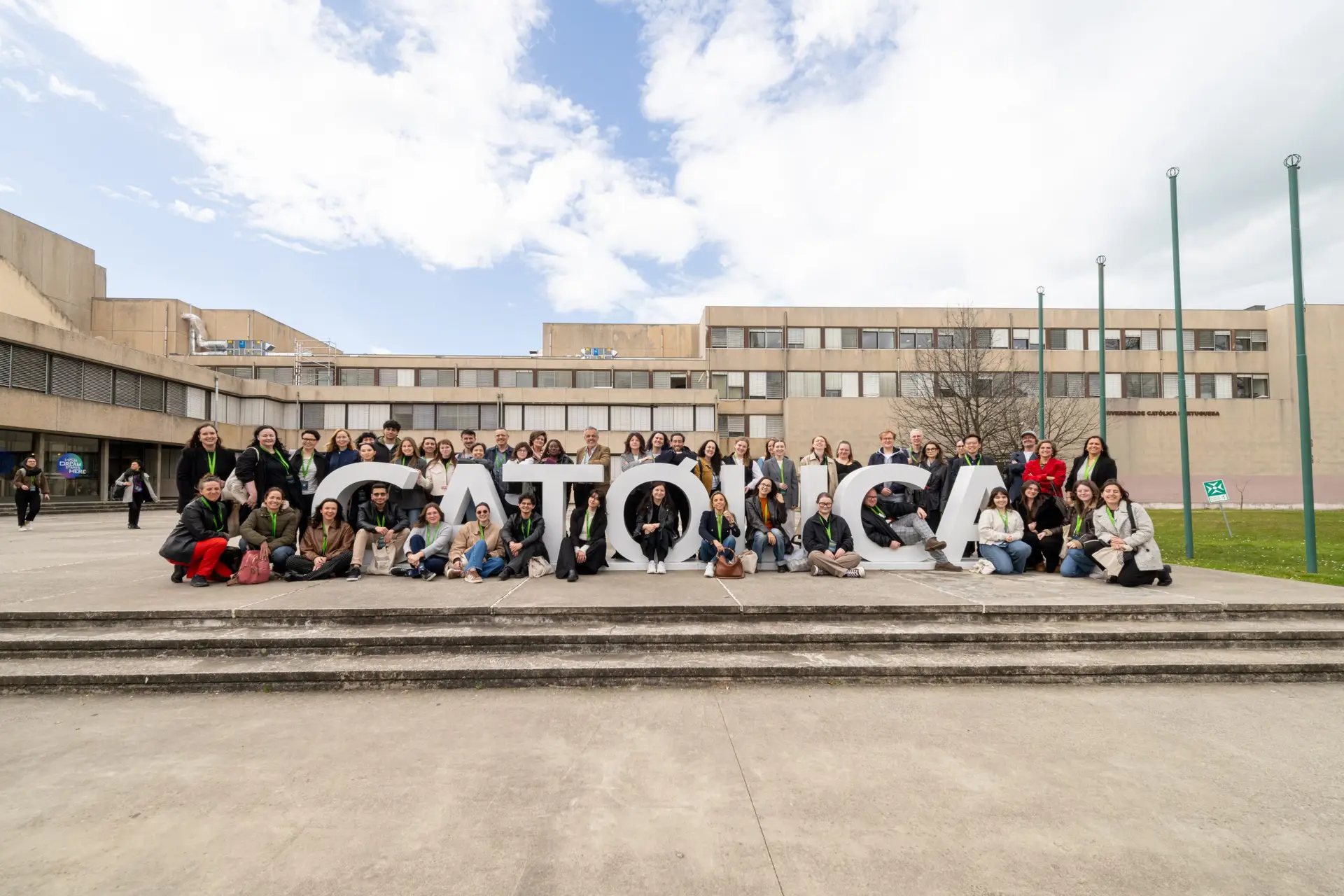
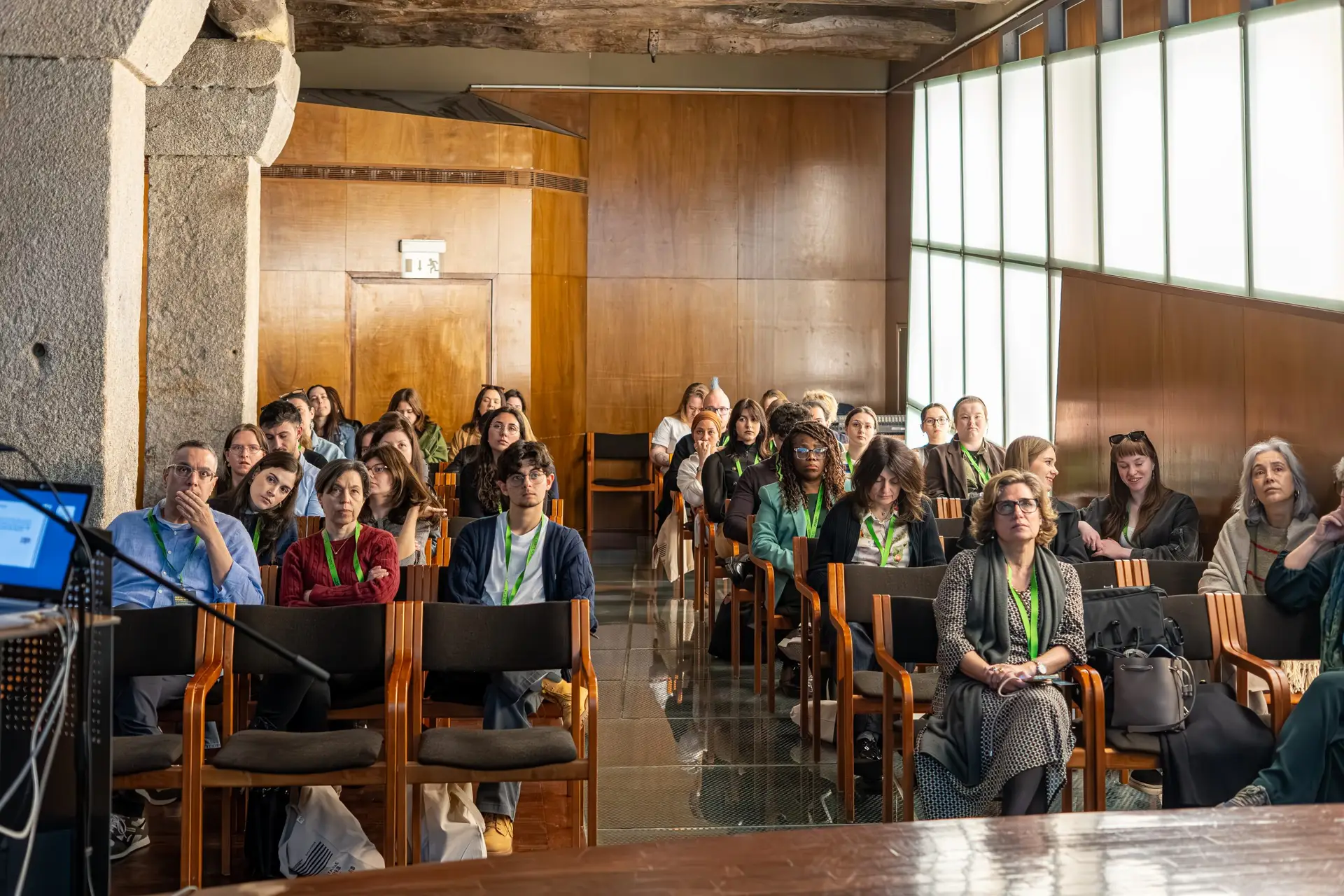
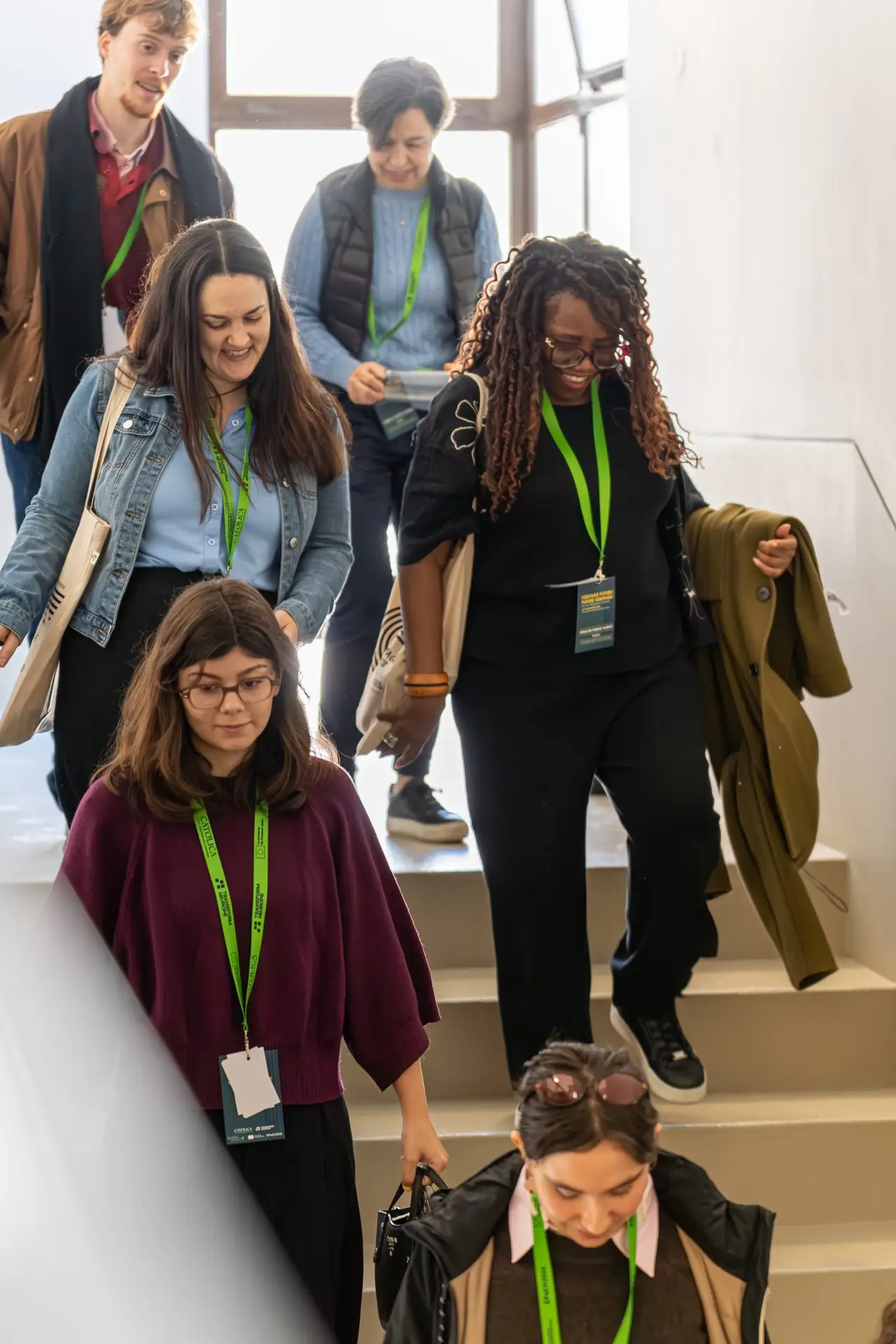
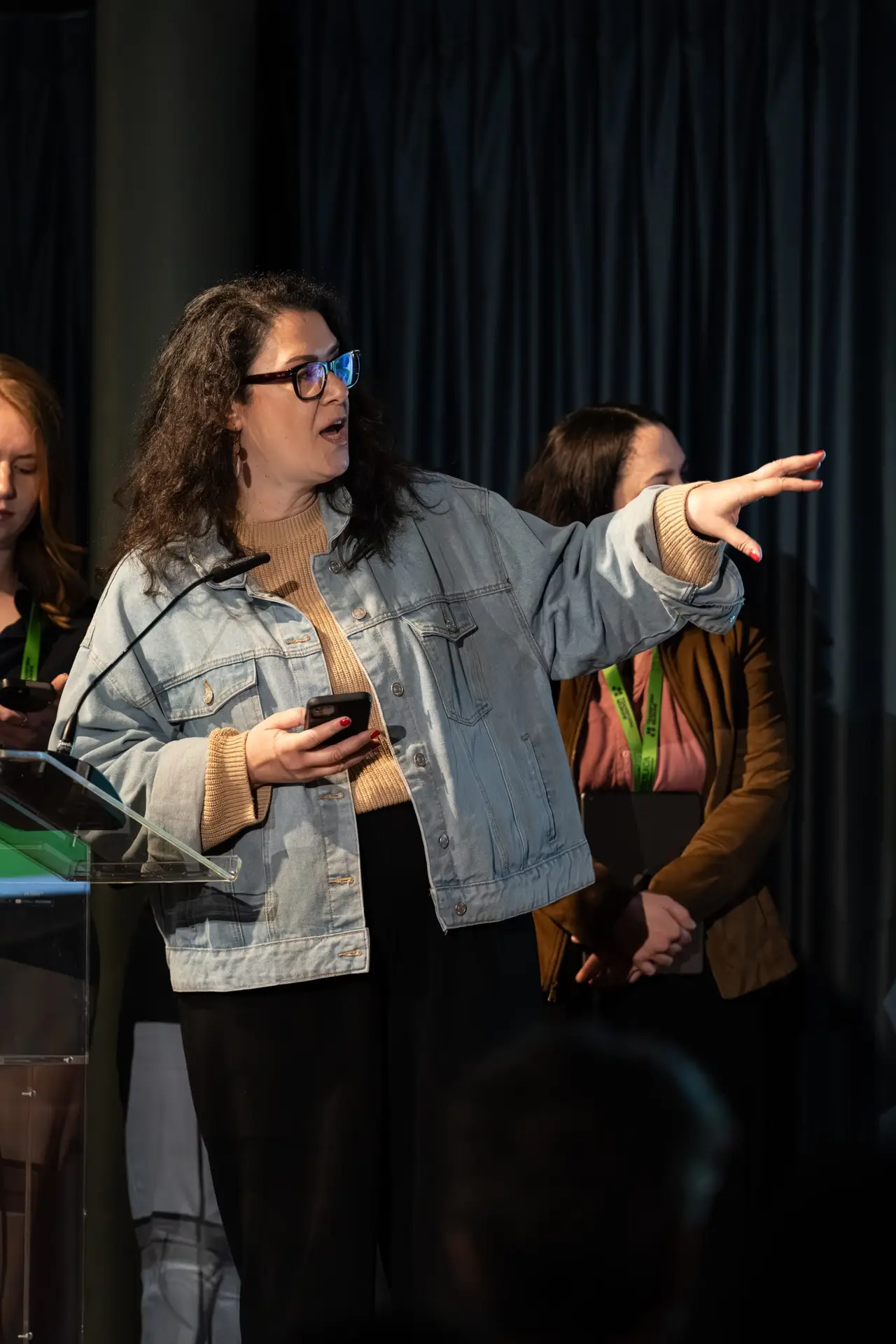
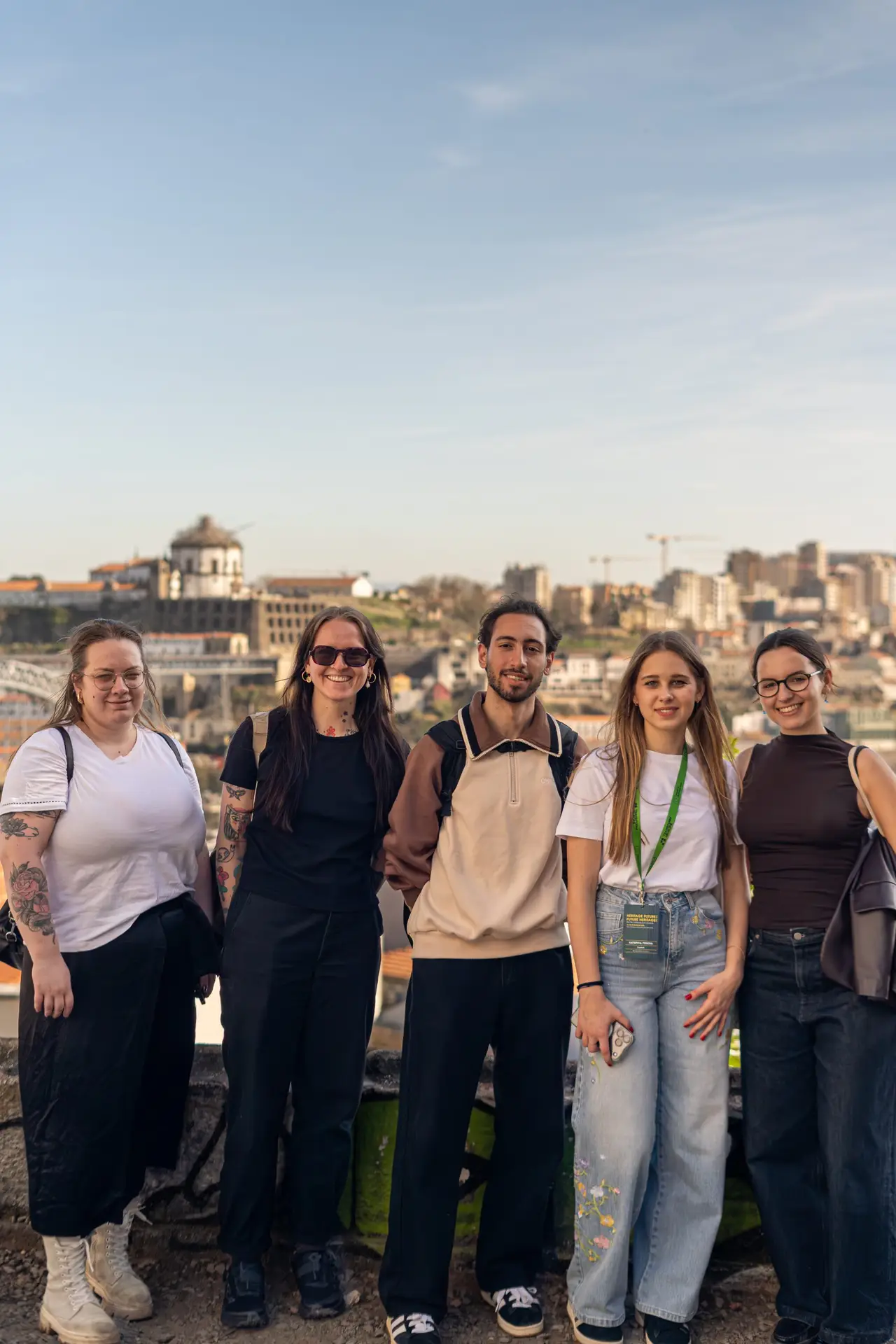
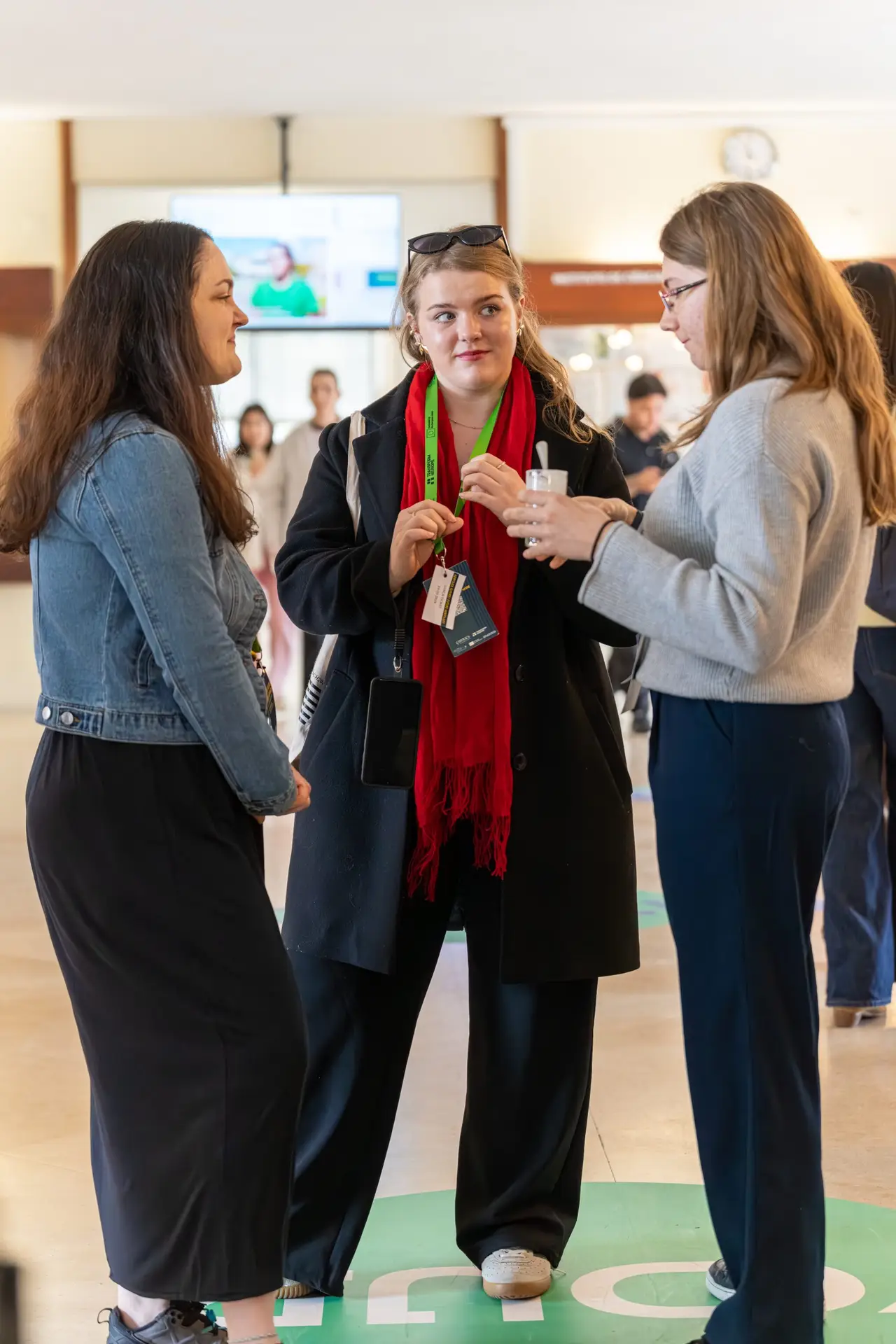
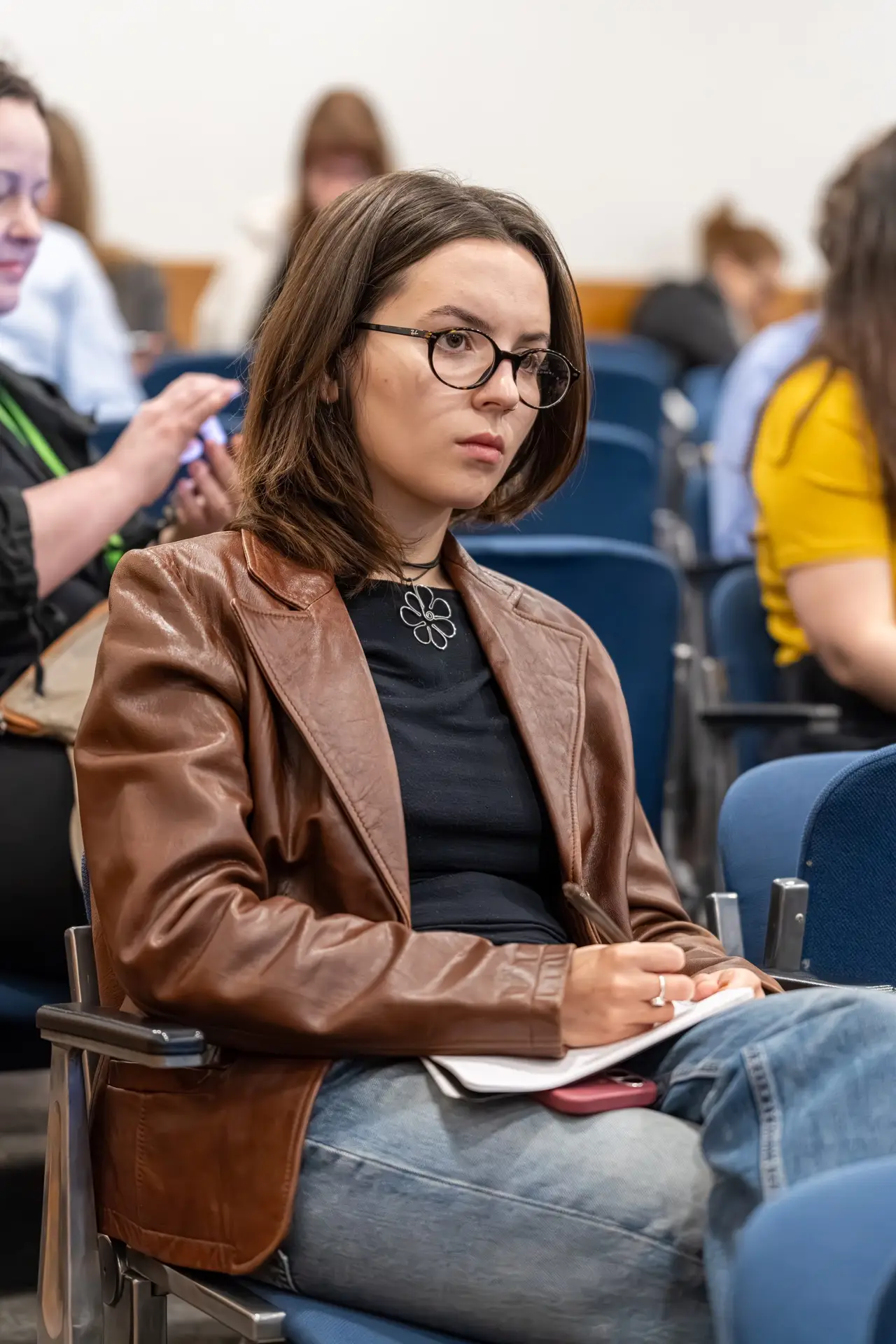
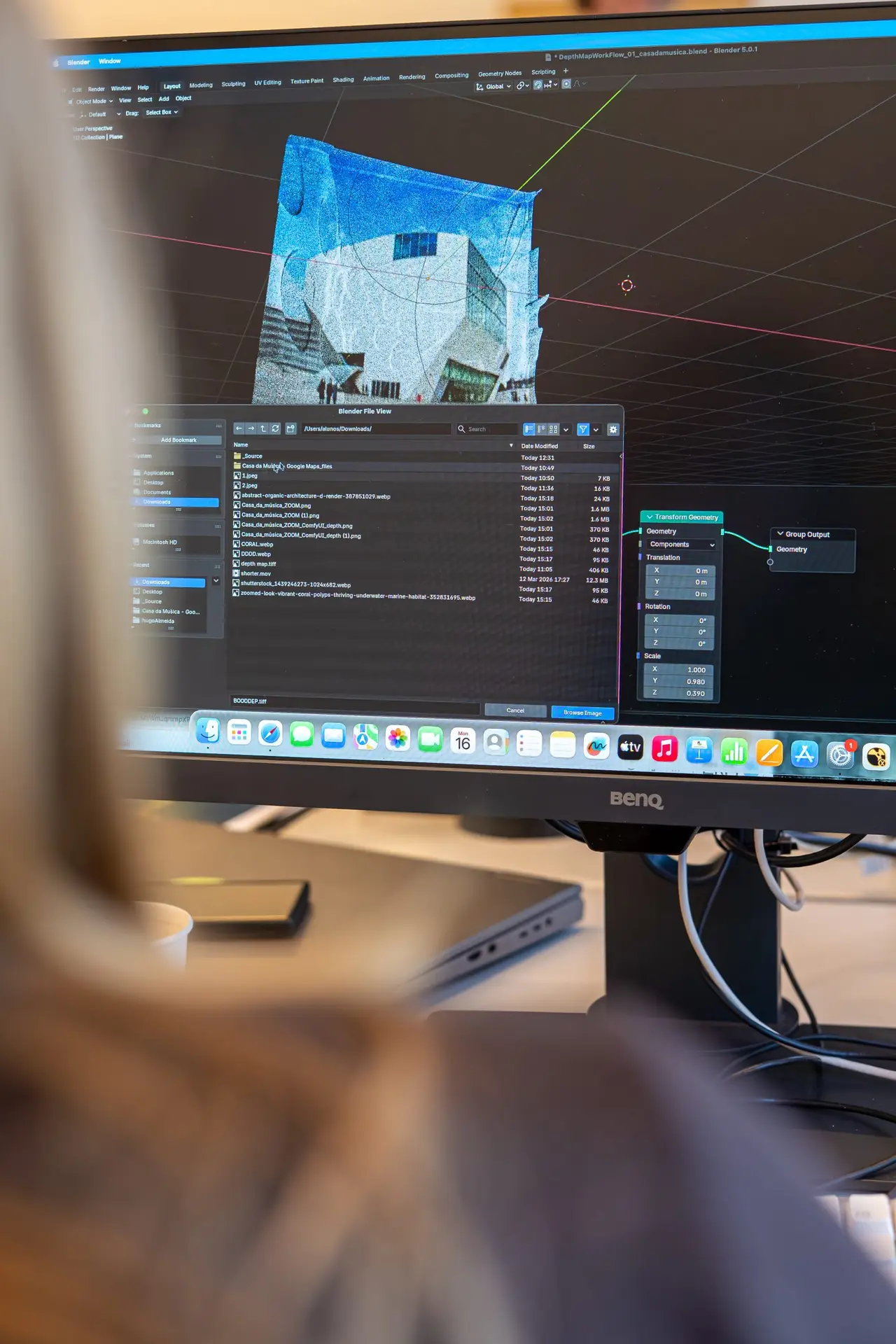
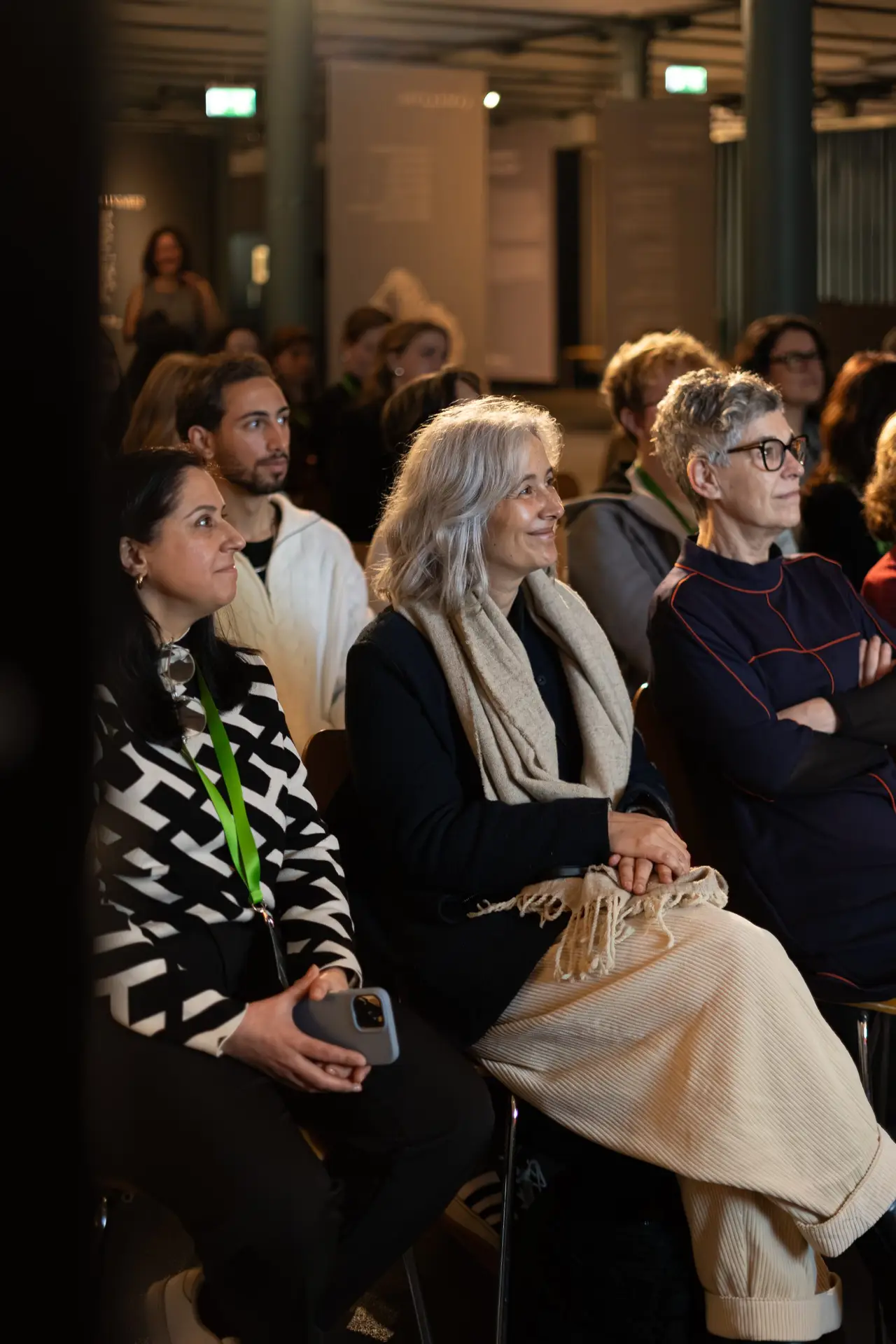
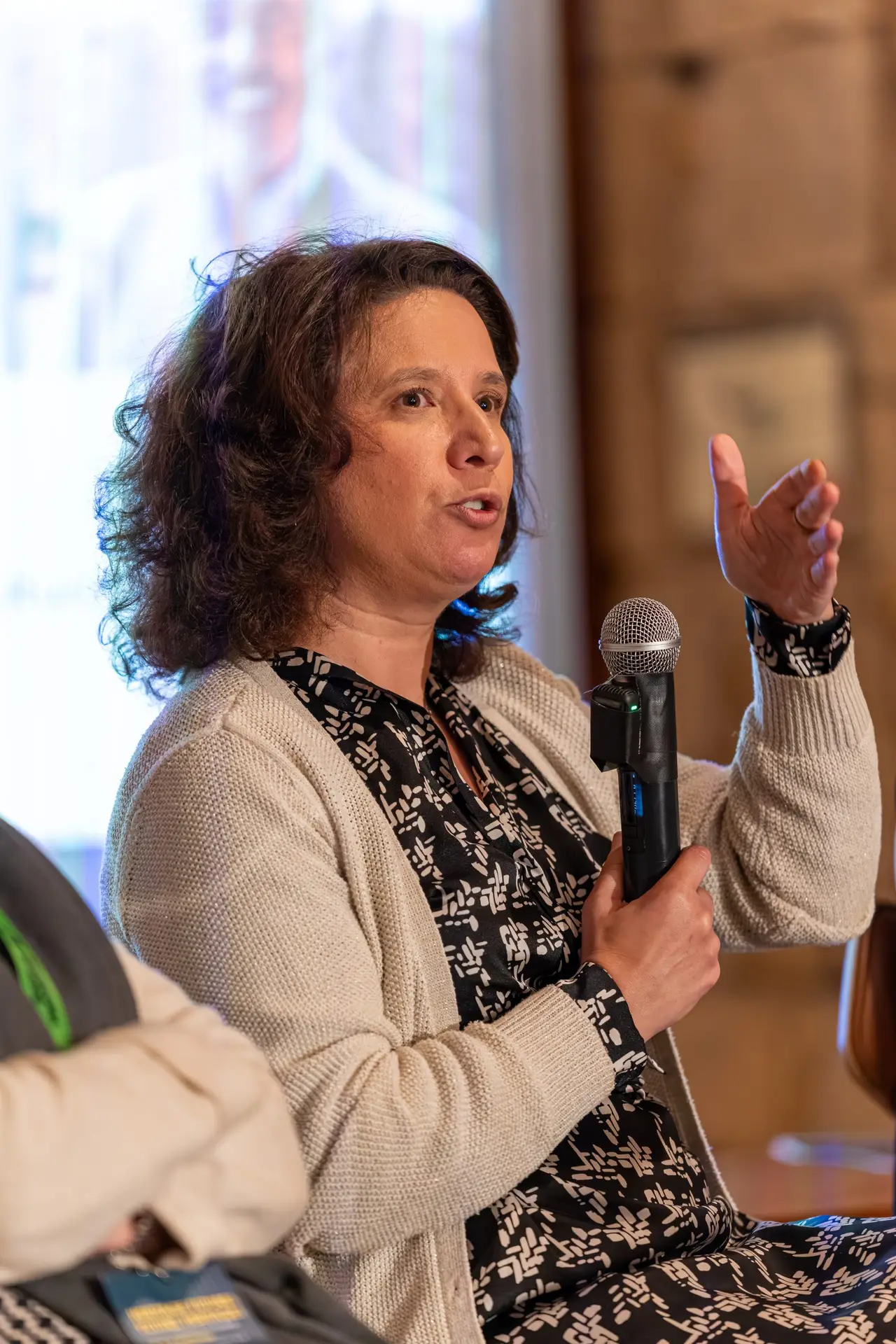
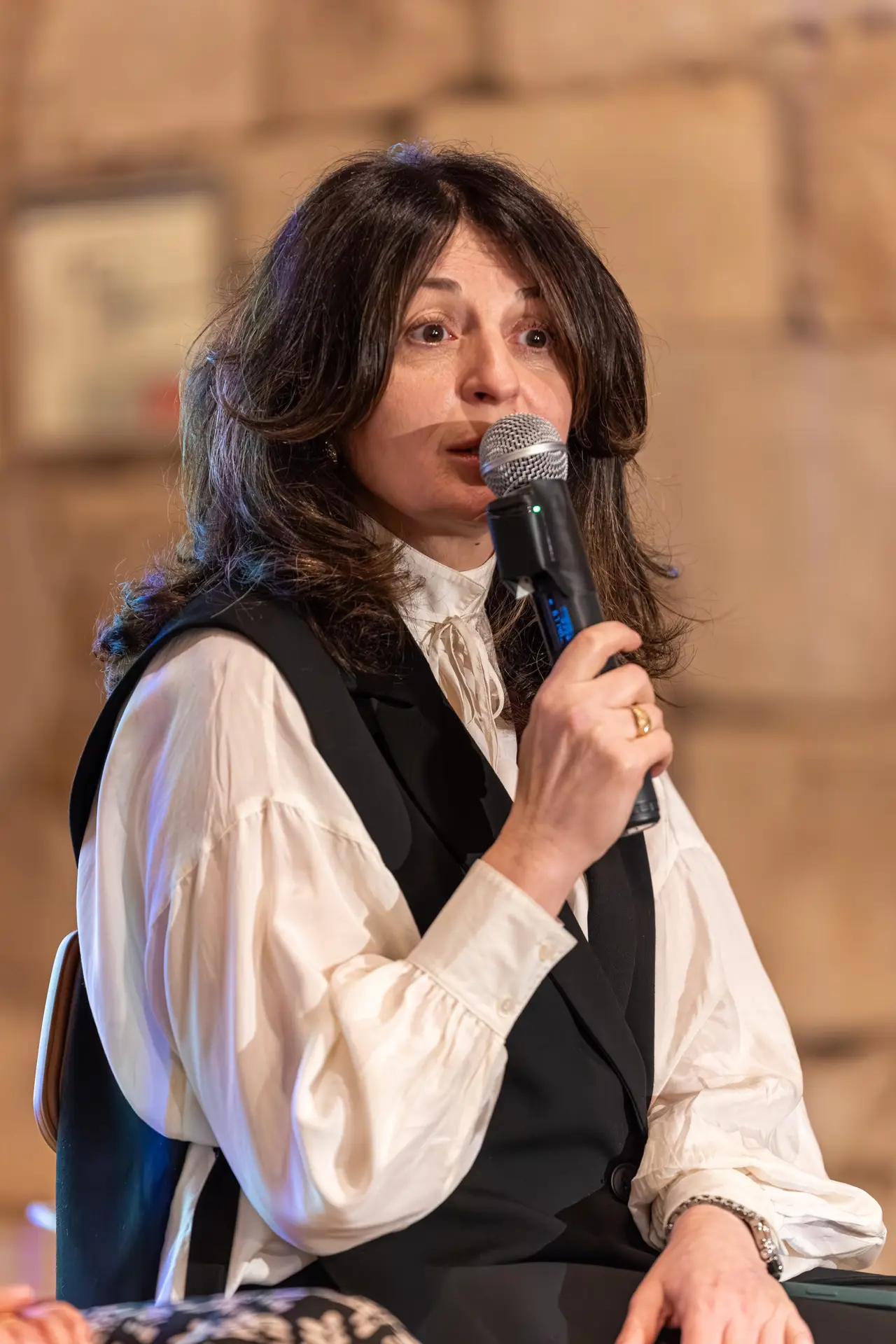
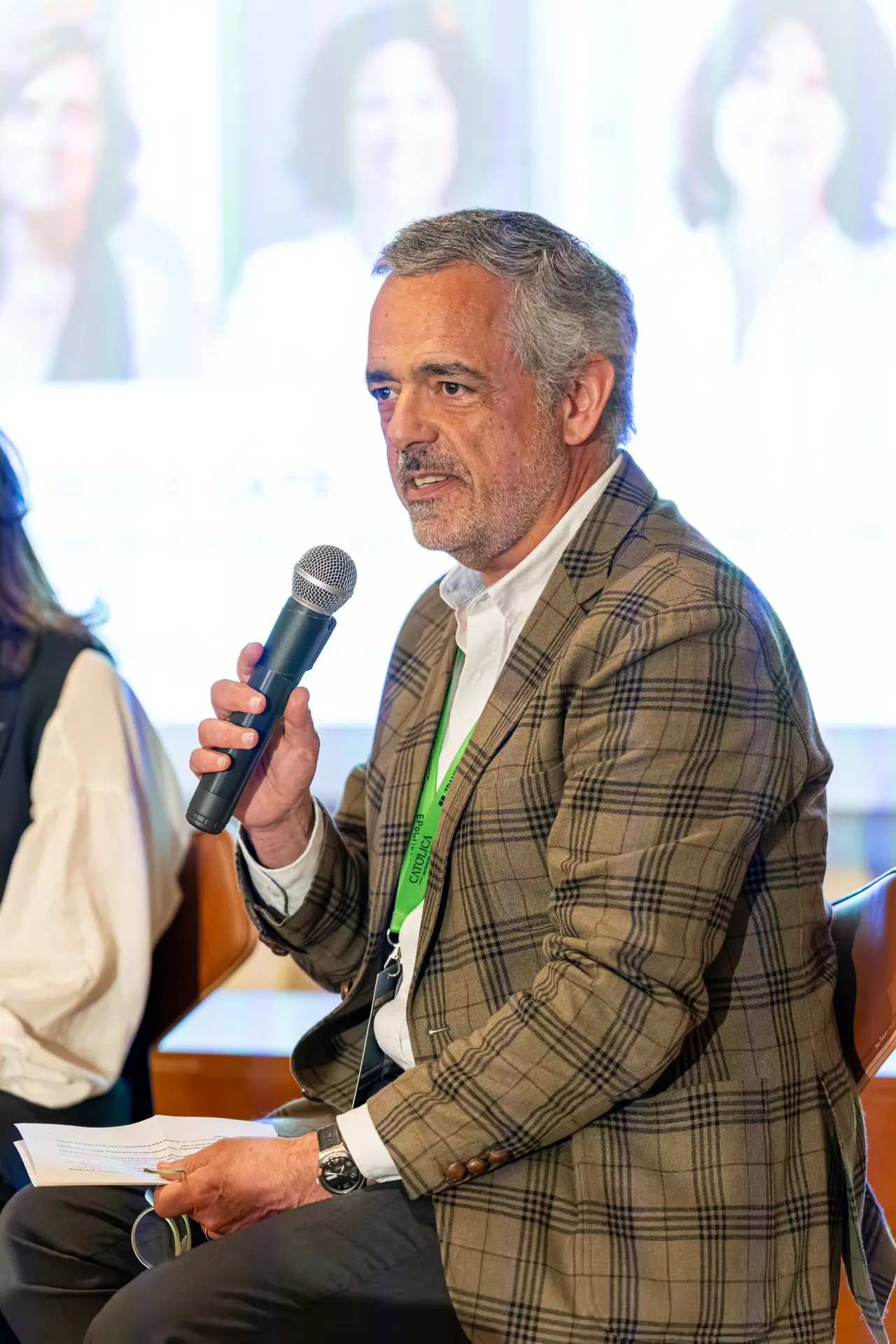
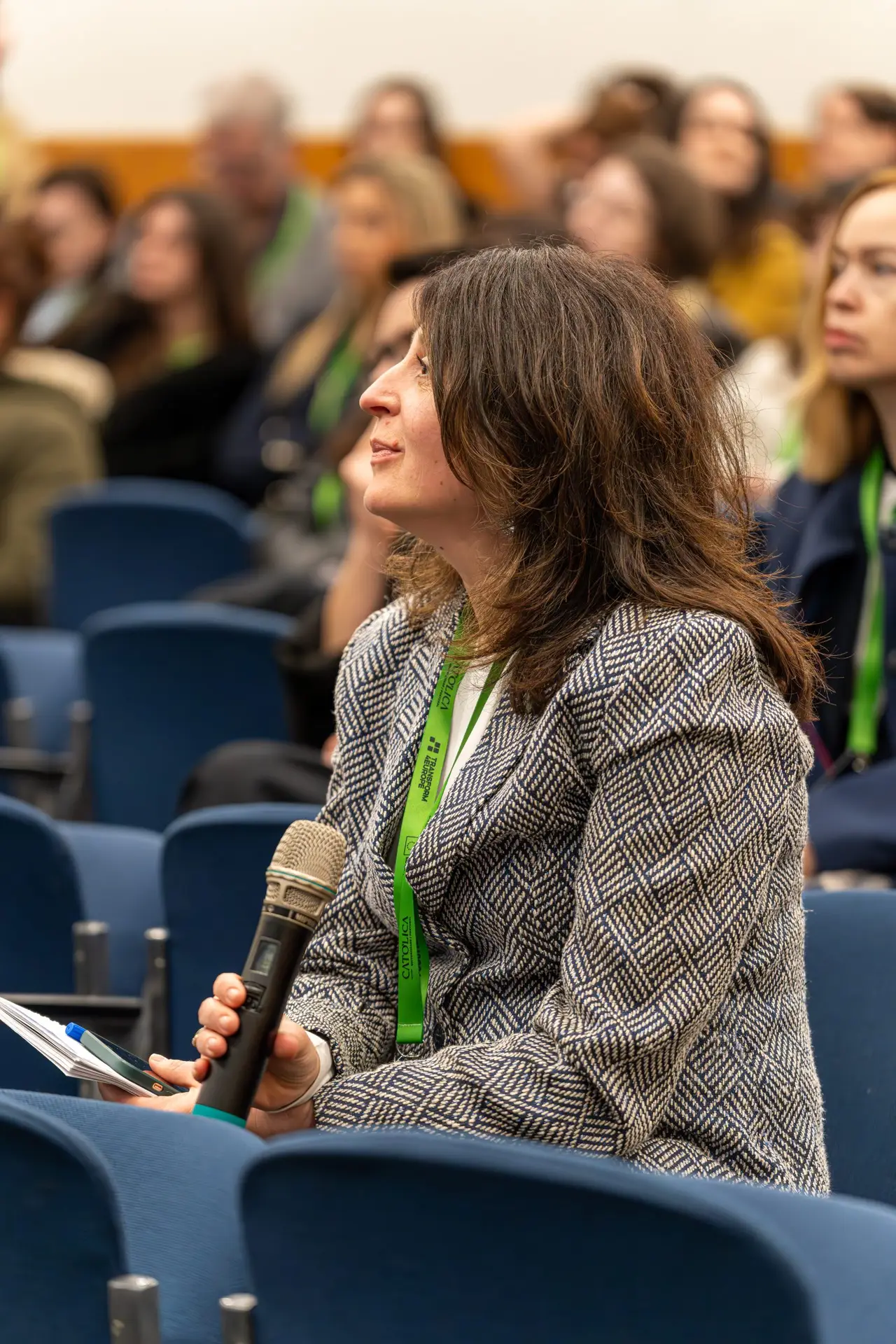
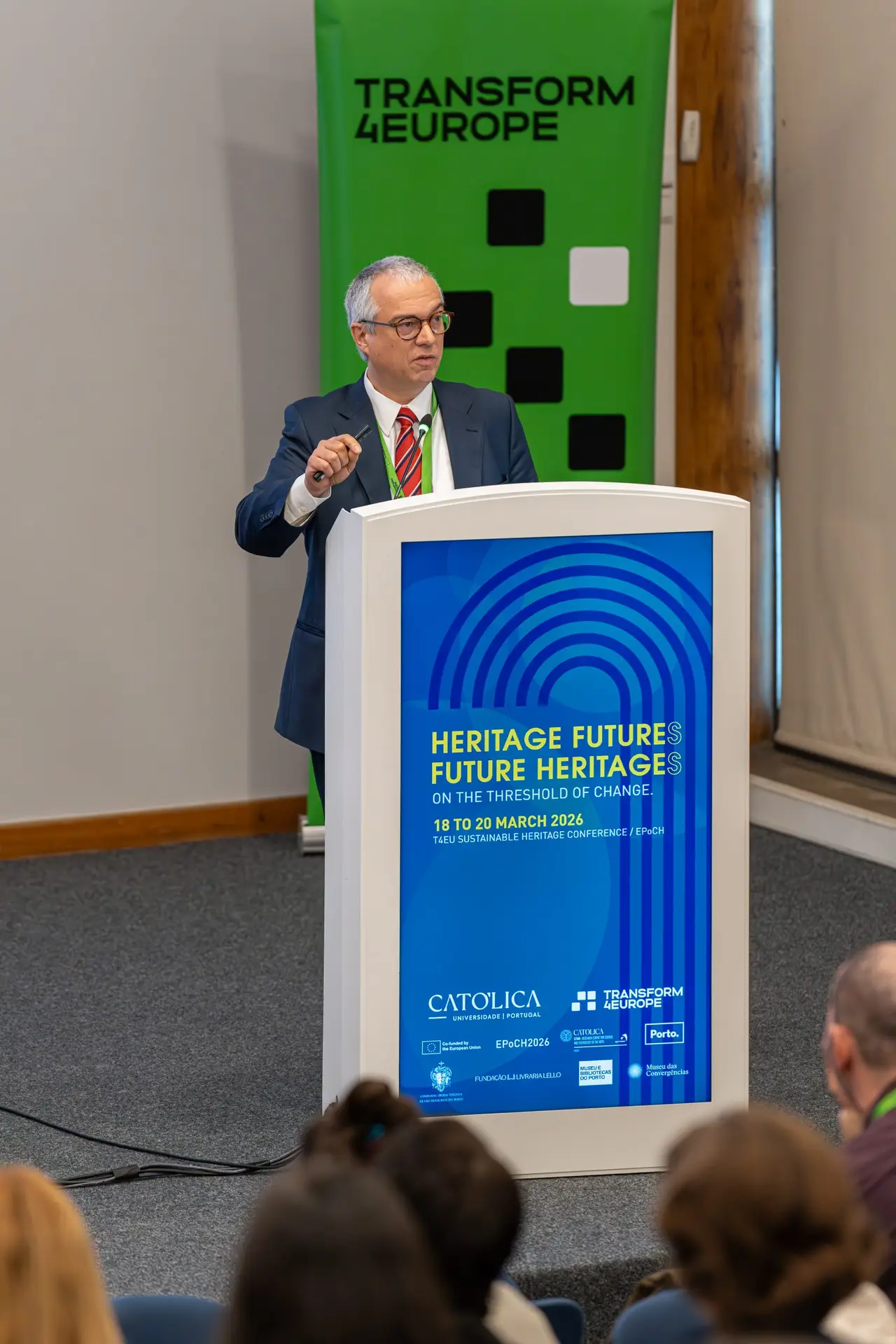
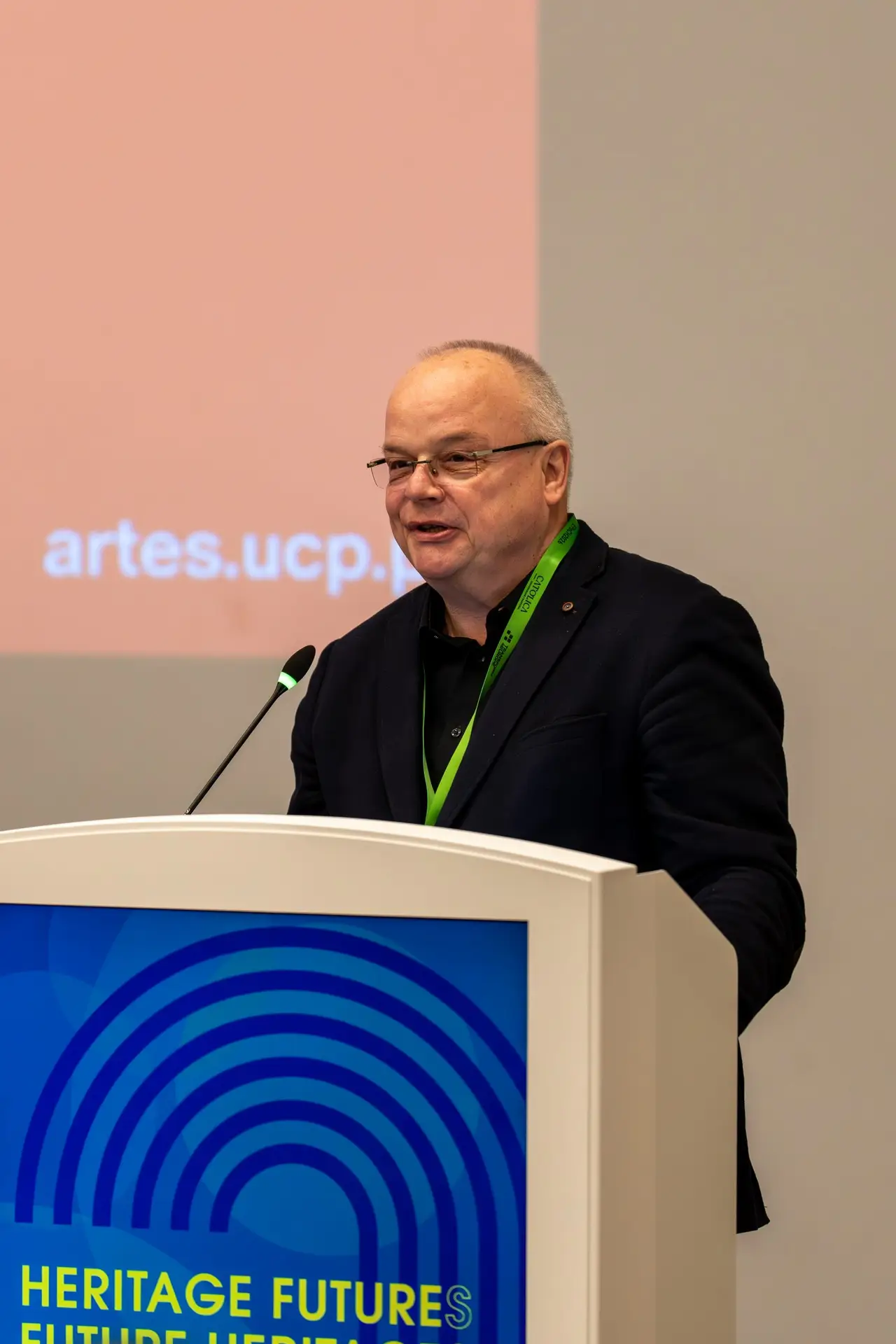
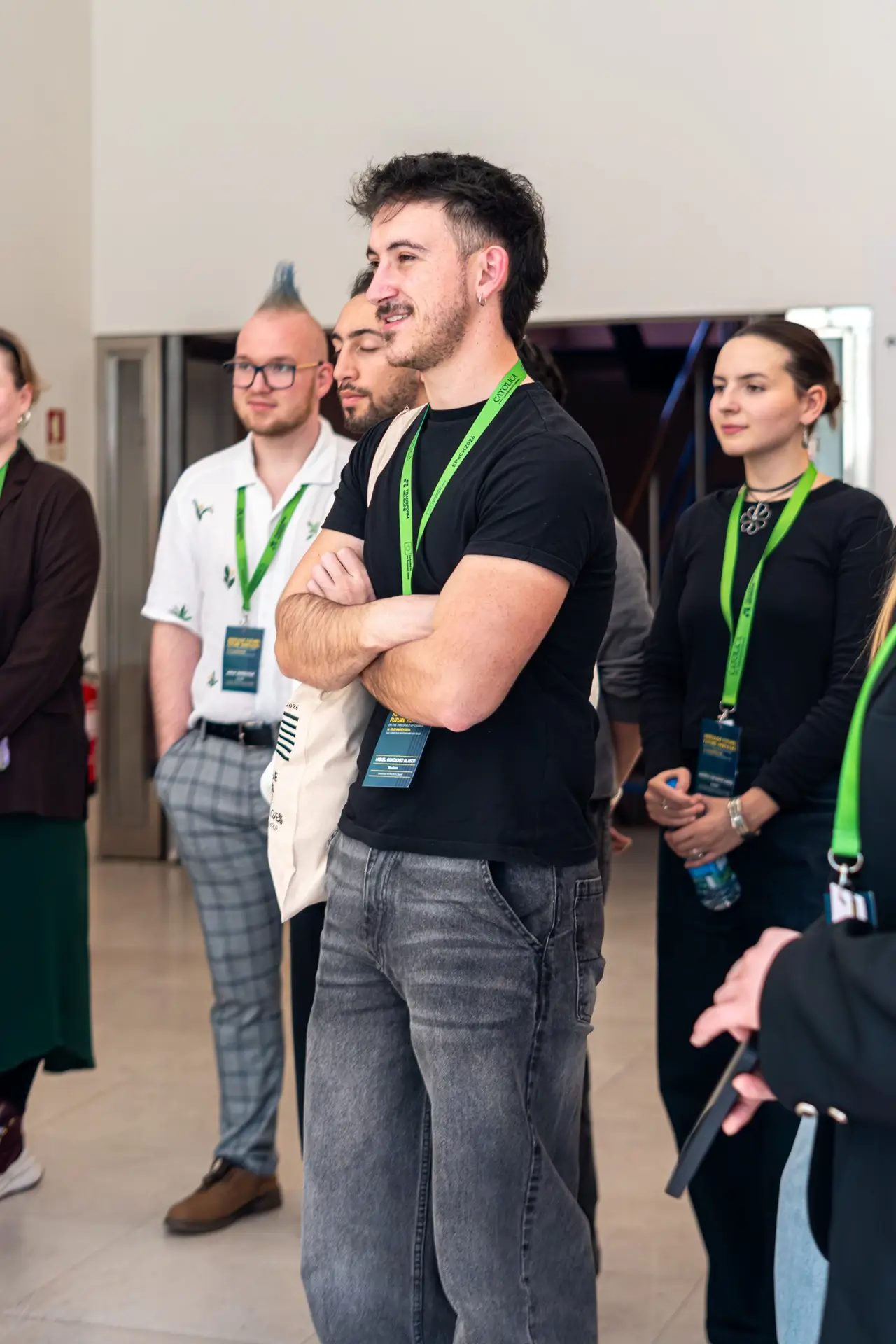
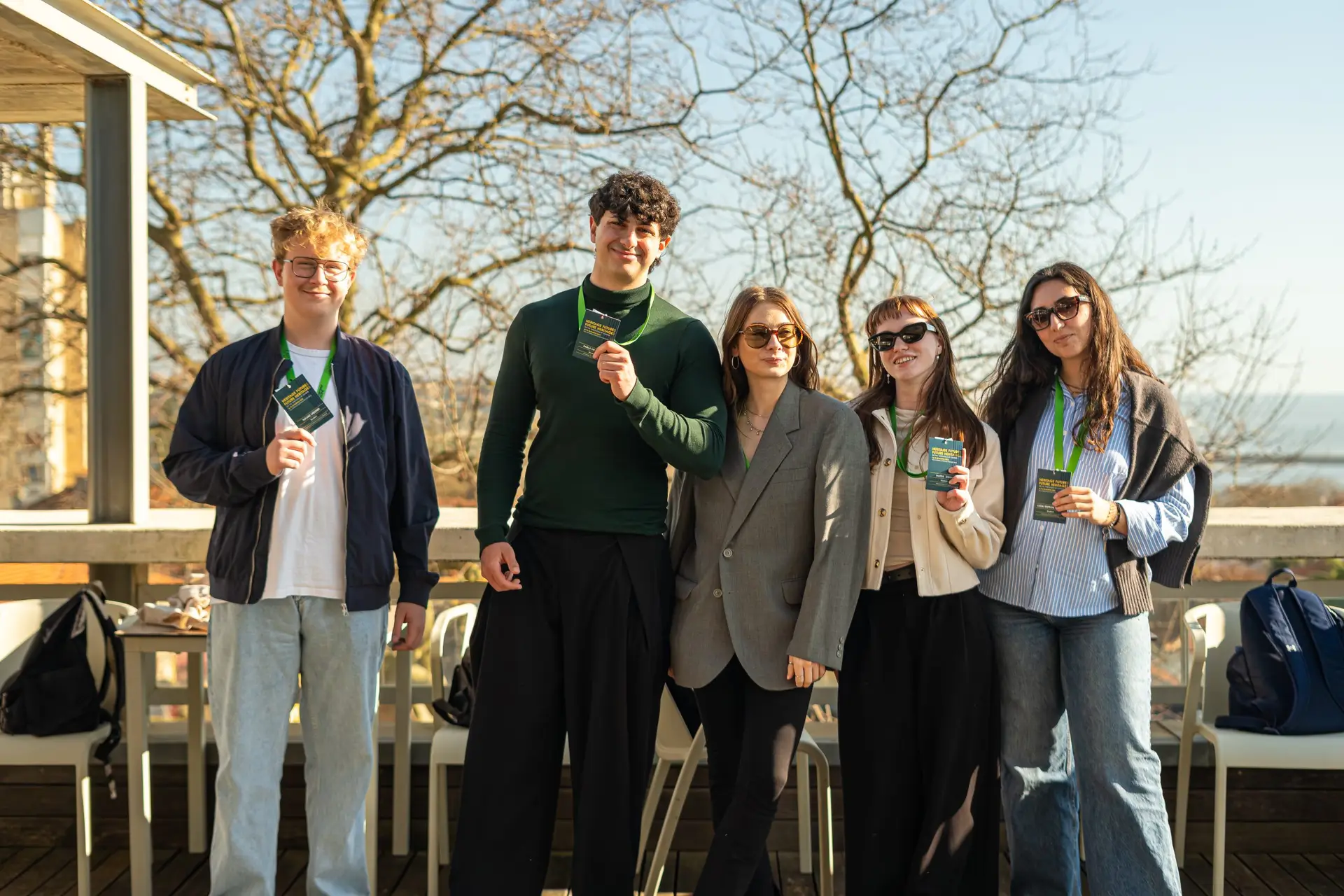
The Heritage Week 2026, held at Universidade Católica Portuguesa in Porto, brought together researchers, students, artists, and the wider public for a rich and interdisciplinary programme exploring the theme “Heritage future(s) / future heritage(s): on the threshold of change.” Across 5 days, the initiative combined academic reflection, public engagement, and creative experimentation, reinforcing the role of heritage as a dynamic and evolving field shaped by social, cultural, and technological transformations.
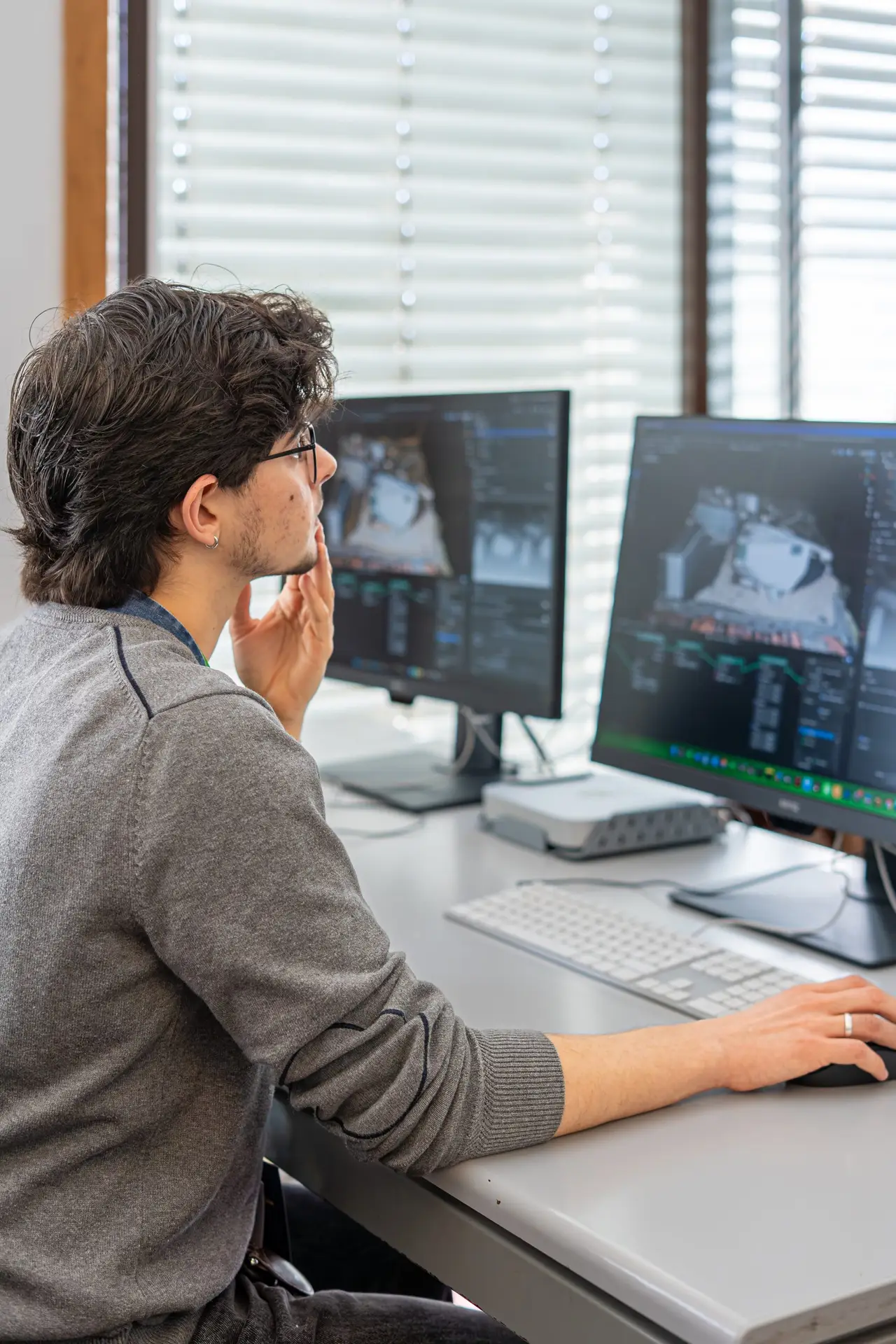
Hands-on learning was further encouraged through 3 workshops coordinated between the School of Arts and the Faculty of Human Sciences of Universidade Católica Portuguesa, as well as the Estonian Academy of Arts, and Casa do Infante as the main stakeholder of the regional workshops, the week began by engaging participants in critically re-examining visual representations of the city and exploring alternative narratives of heritage through photography.
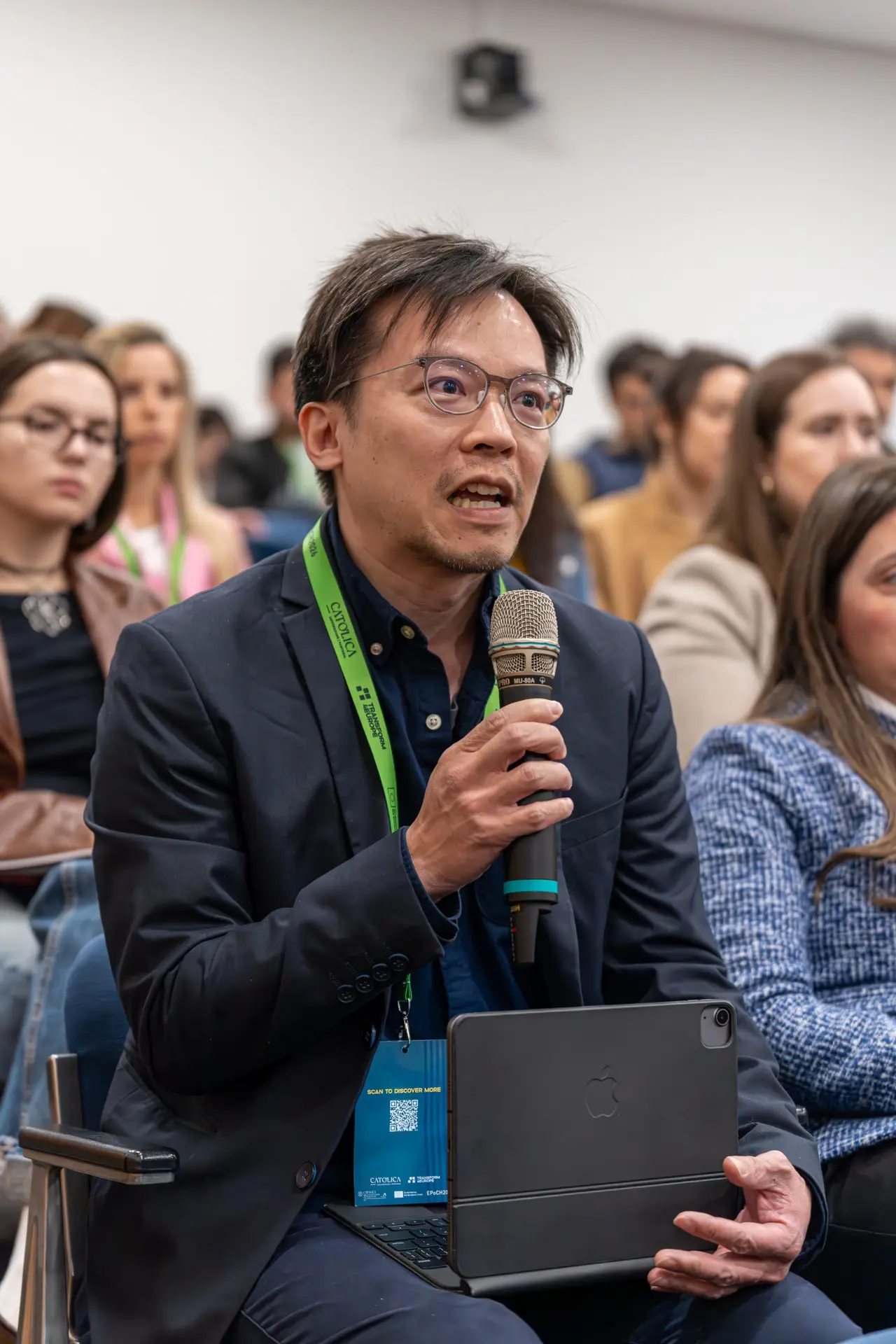
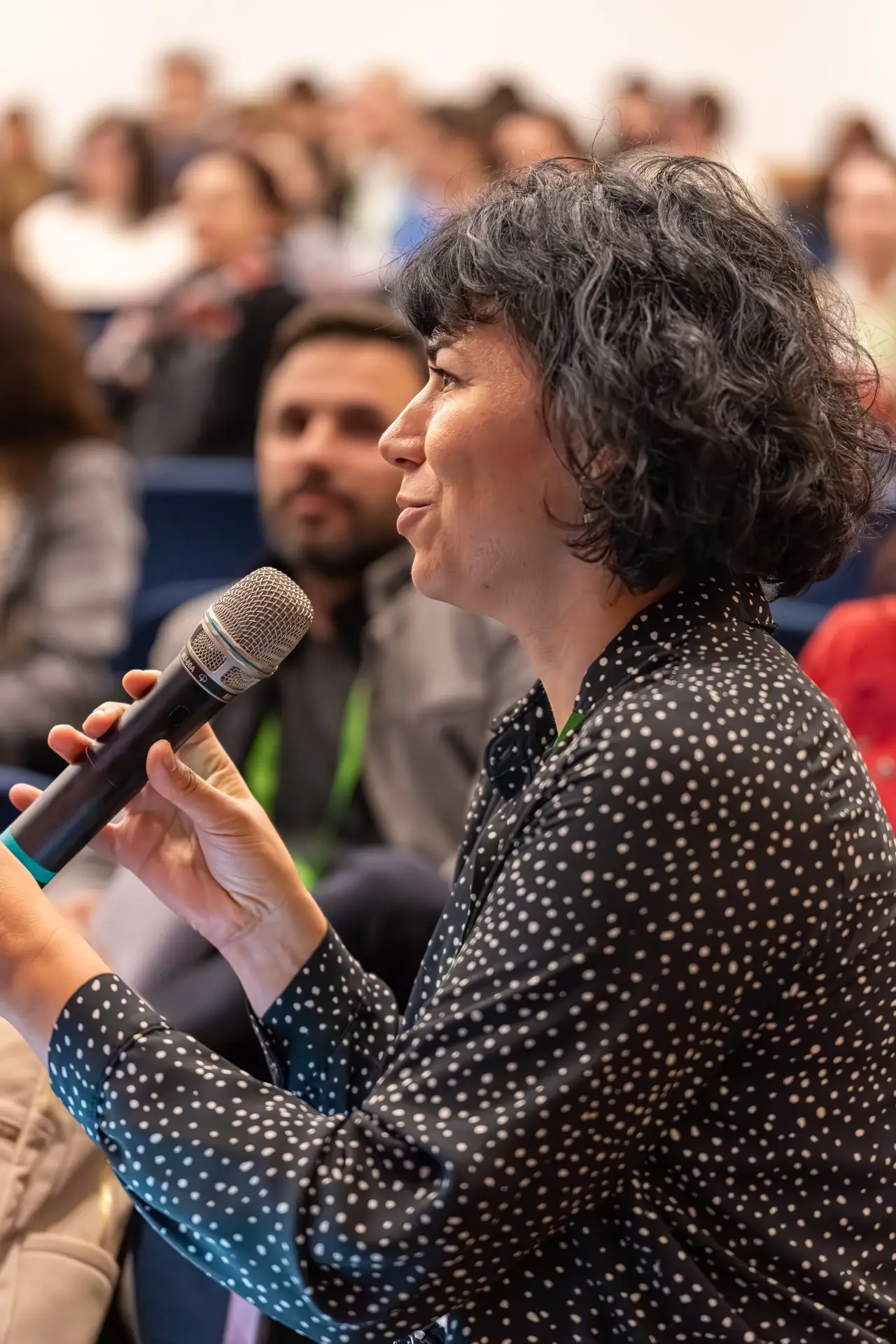
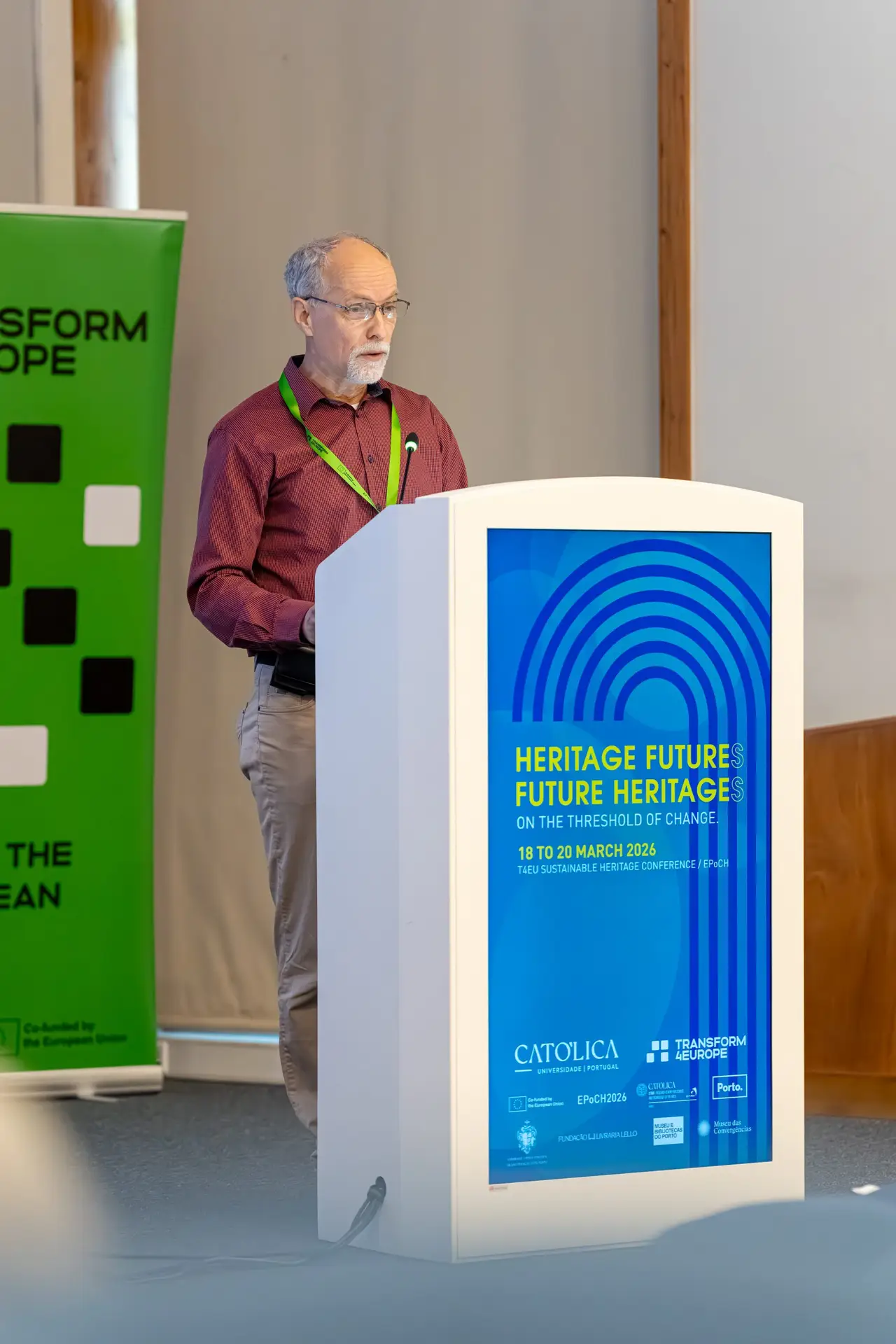
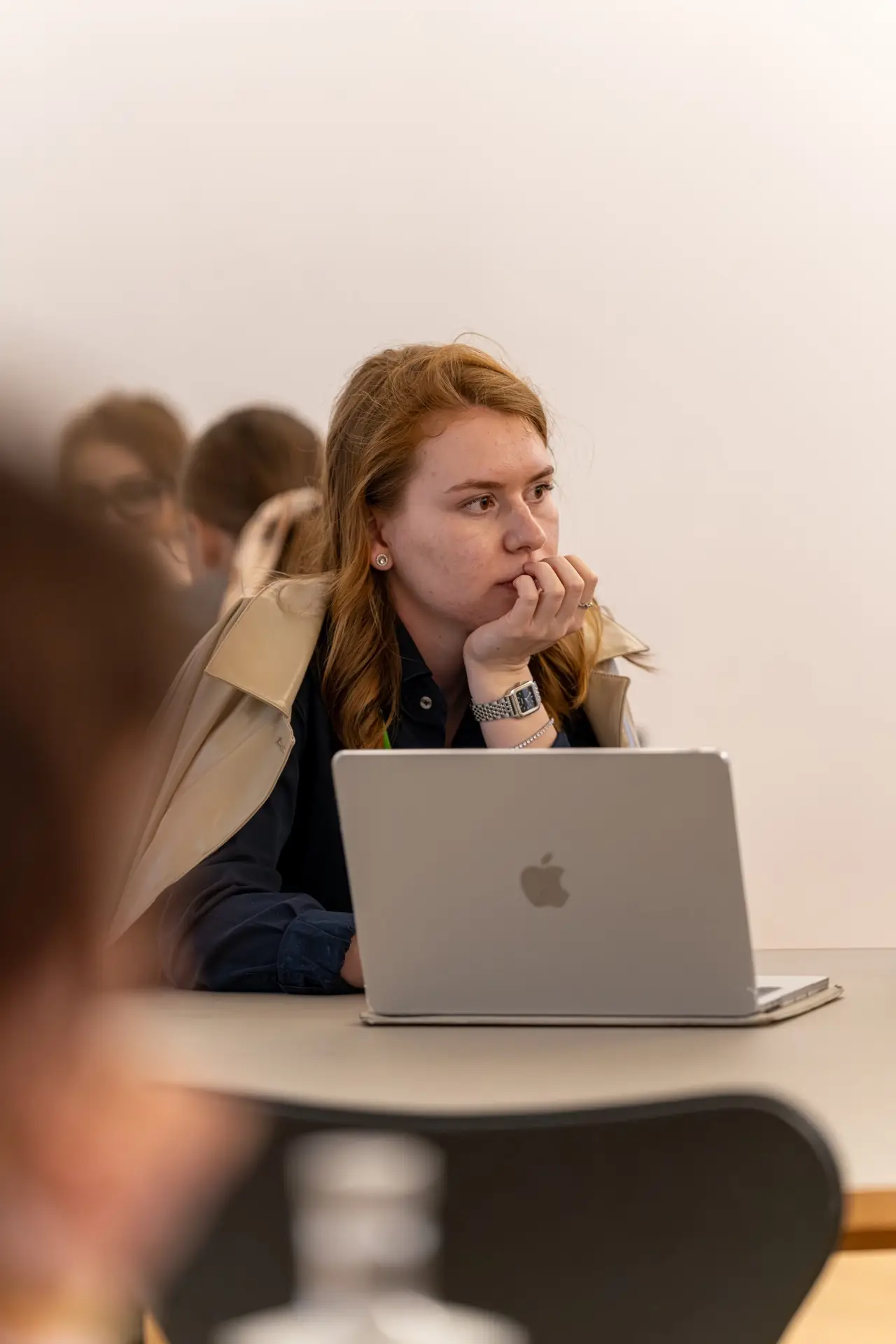
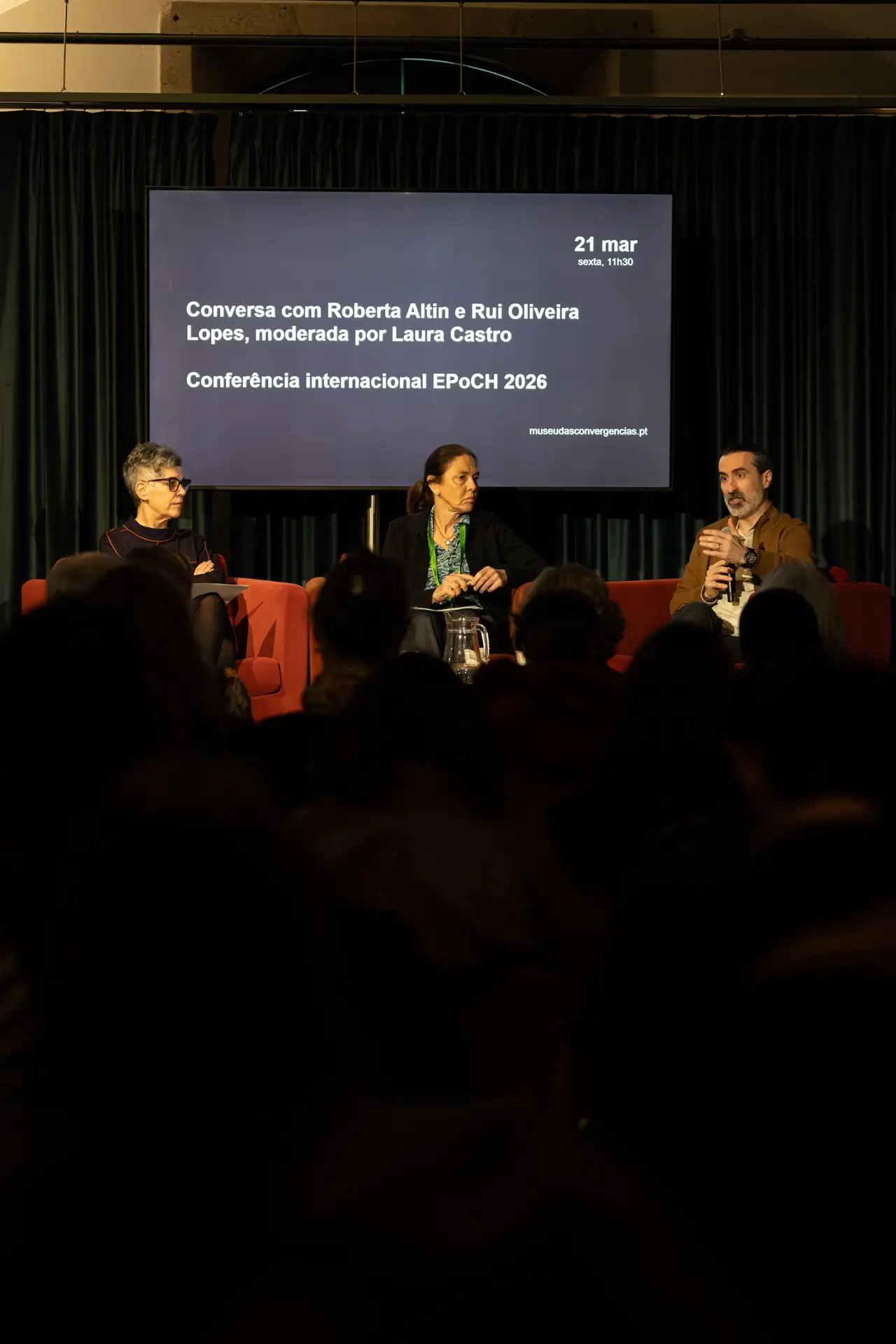
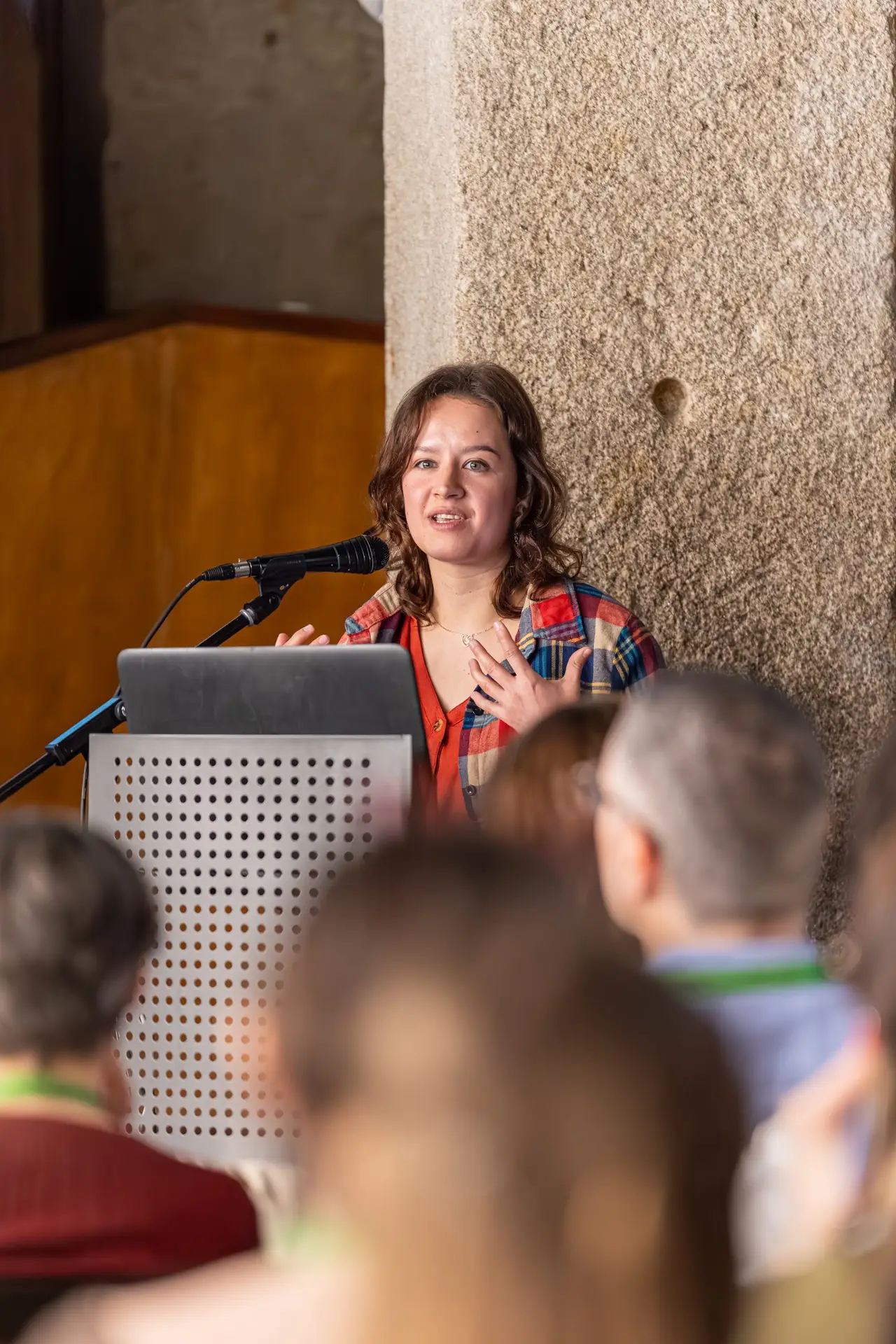
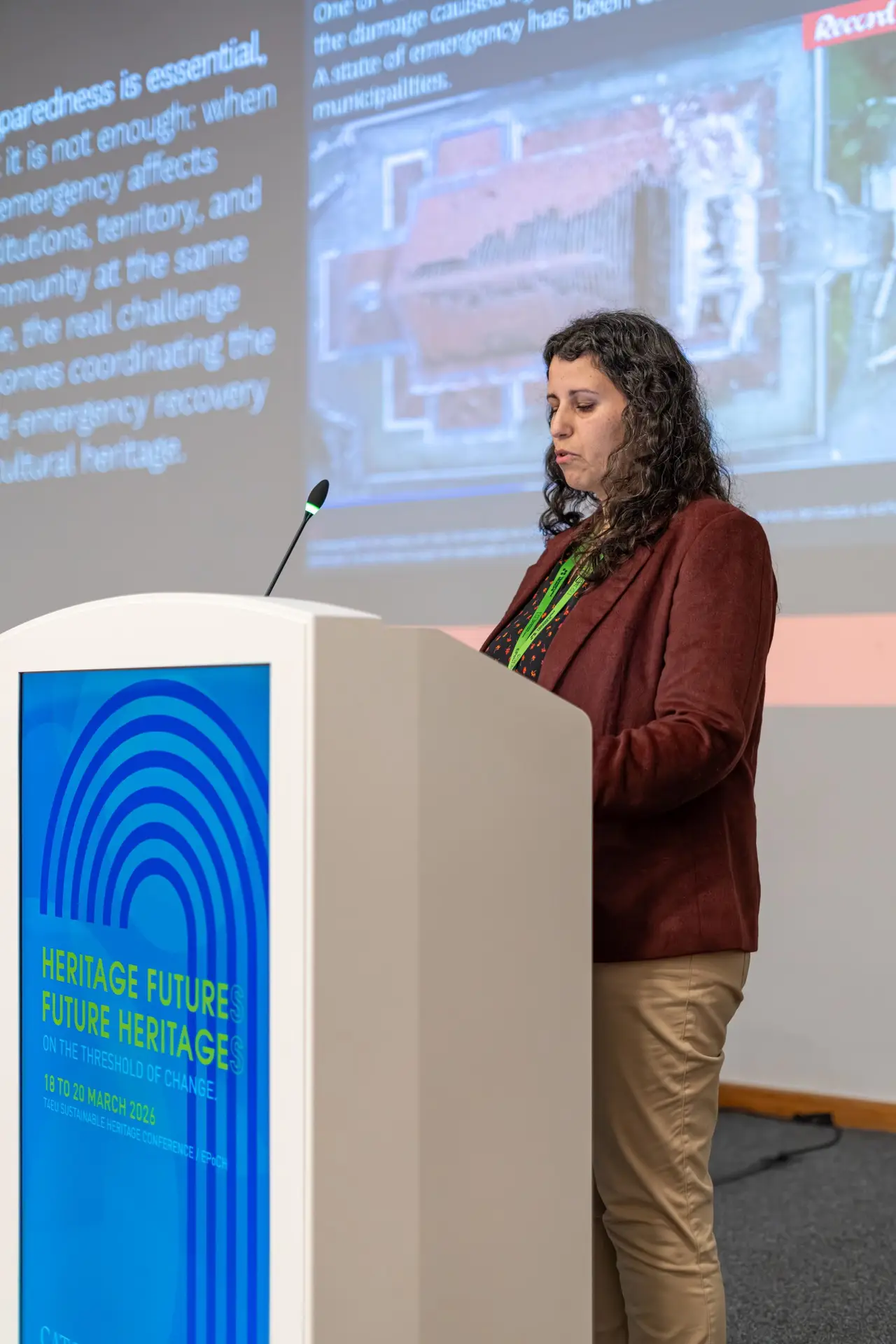
The week’s highlight was the EPoCH 2026 – T4EU Sustainable Heritage Conference, which gathered international experts to discuss emerging challenges in conservation, restoration, and heritage interpretation. Through keynote lectures such as Cornelius Holtorf, from the Linnaeus University (UNESCO), Paulo Lourenço, from University of Minho, and Roberta Altin, from University of Trieste, along with paper sessions, and poster presentations, participants addressed topics ranging from climate vulnerability and digital heritage to ethical questions surrounding memory, identity, and artificial intelligence.
Complementing the academic programme, interactive formats encouraged dialogue and collaboration. The World Café on Common European Heritage and Future, organised by the University of Trieste, Italy, created a space for collective reflection on shared European identities, generational perspectives, and the infrastructures shaping heritage today and tomorrow.
Similarly, the Science Café at Fundação Livraria Lello with Rita Marques, Director of Fundação Livraria Lello, Iryna Sikorska, Director of the Center for International Education, Mariupol State University, Maria Aguiar, School of Arts, Universidade Católica Portuguesa and Francisco Mendes-Palma, T4EU@UCP Coordinator, invited a broader audience to engage in conversations on heritage as a bridge between sustainability, education, and cross-cultural dialogue, highlighting its role as a living and socially engaged process.
Artistic and practice-based approaches also played a central role. The Round Table on Artistic Practices with Daniel Ribas, researcher, film programmer, film critic, and Professor at Católica School of Arts, Jaana Päeva, Researcher at EKA, José Alberto Gomes, artist and PhD coordinator at School of Arts, Virgílio Ferreira artistic director at Ci.CLO cultural association and João Laia, Galerias Municipais do Porto, explored how artistic research contributes to knowledge production and societal engagement, while fostering dialogue between academia and cultural institutions .
The exhibition “The Garden of (In)visibles” – part of the common cultural activities of Transform4Europe, offered a powerful reflection on migration and memory, presenting objects as markers of both visible and invisible dimensions of European heritage.
At the same time, the programme offered a complementary session on Funding4Culture with Richard Blais, Creative Europe, European Commission, João Cortez, Research and Innovation Office, Católica and Helena Castro, Manager of the T4EU Joint Grants Office which equipped researchers with practical tools to access European funding opportunities and strengthen international collaboration in the cultural and heritage sectors.
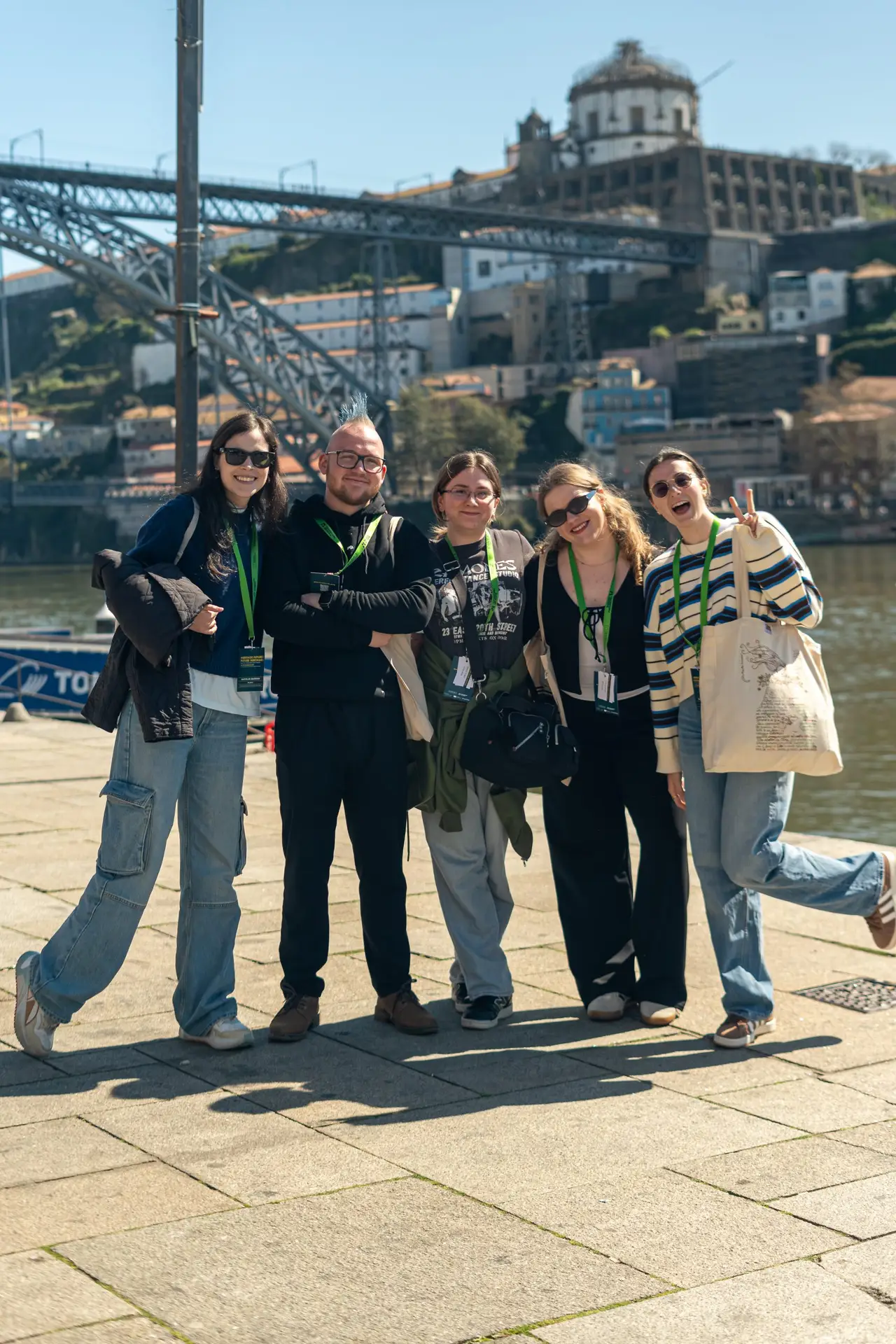
The programme also extended beyond the university, with visits to key cultural sites such as the Museu das Convergências, at Alfandega do Porto, and the Igreja de São Francisco, connecting theoretical discussions with tangible heritage and the urban fabric of Porto.
Overall, Heritage Week 2026 highlighted the importance of interdisciplinary collaboration and public engagement in shaping the future of heritage. By bringing together diverse perspectives and formats, the event reinforced a shared commitment to rethinking heritage as a space of dialogue, innovation, and collective responsibility.