The T4EU Metacampus is a digital platform that allows students from the Transform4Europe Alliance to easily browse and apply for courses offered by partner universities. It brings all course offerings together in one place, with single sign-on access and smooth redirection to the hosting university’s Moodle platform.
The Metacampus supports the idea of a borderless European digital campus by improving access to shared educational resources. It strengthens cooperation between universities, increases student mobility, and helps build a more integrated and flexible learning environment across the Alliance.
Seamless mobility within T4EU allows students to study at a partner university at the same level and in the same field – without extra tuition fees and without administrative complexity.
Thanks to pre-approved study programmes negotiated by T4EU partners, students no longer need to independently match courses with their home curriculum.
With eight seamless mobility paths already established and more under discussion between T4EU universities, studying abroad becomes easier, faster and more accessible. For our students, it means less bureaucracy, more certainty and a truly smooth international learning experience.
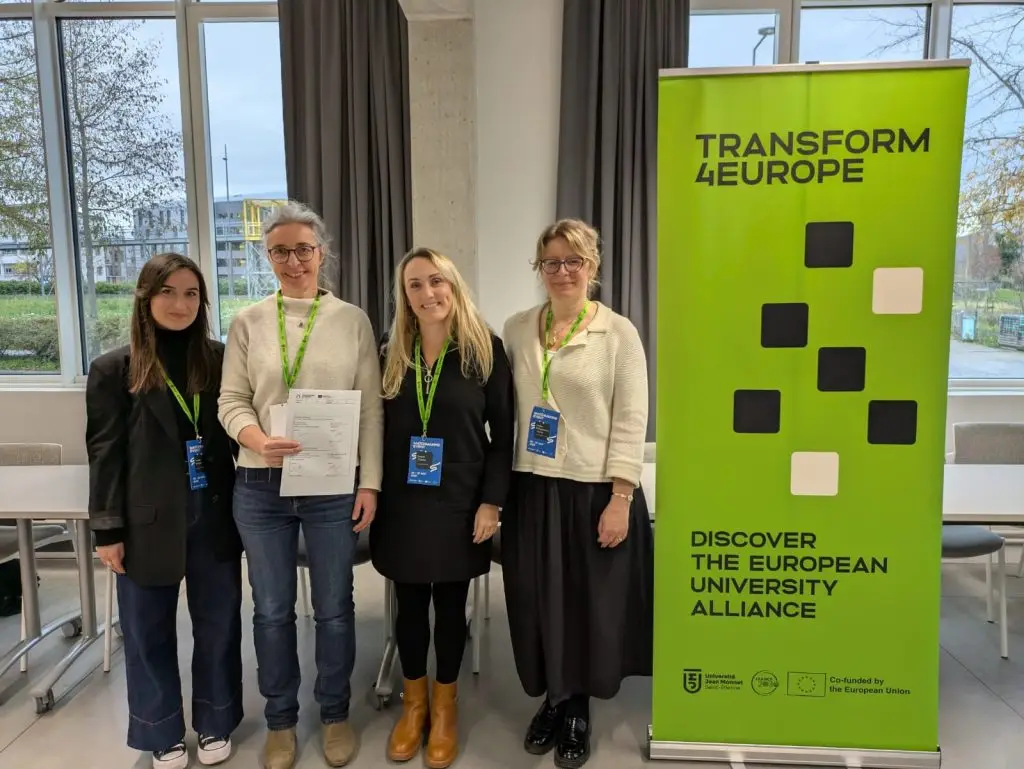
Photo by Lise Marguet
Vertical Mobility
Vertical mobility opens new pathways for students who wish to continue their studies at the next level abroad. Within the Alliance, facilitated vertical mobility agreements ensure automatic academic recognition of completed undergraduate studies, eliminating barriers typical of traditional admissions processes.
With three agreements already signed and two more in preparation, T4EU is expanding access to high-quality Master’s programmes across Europe. For students, this means clear progression, international opportunities and confidence that their academic achievements are fully recognised.
Joint programmes
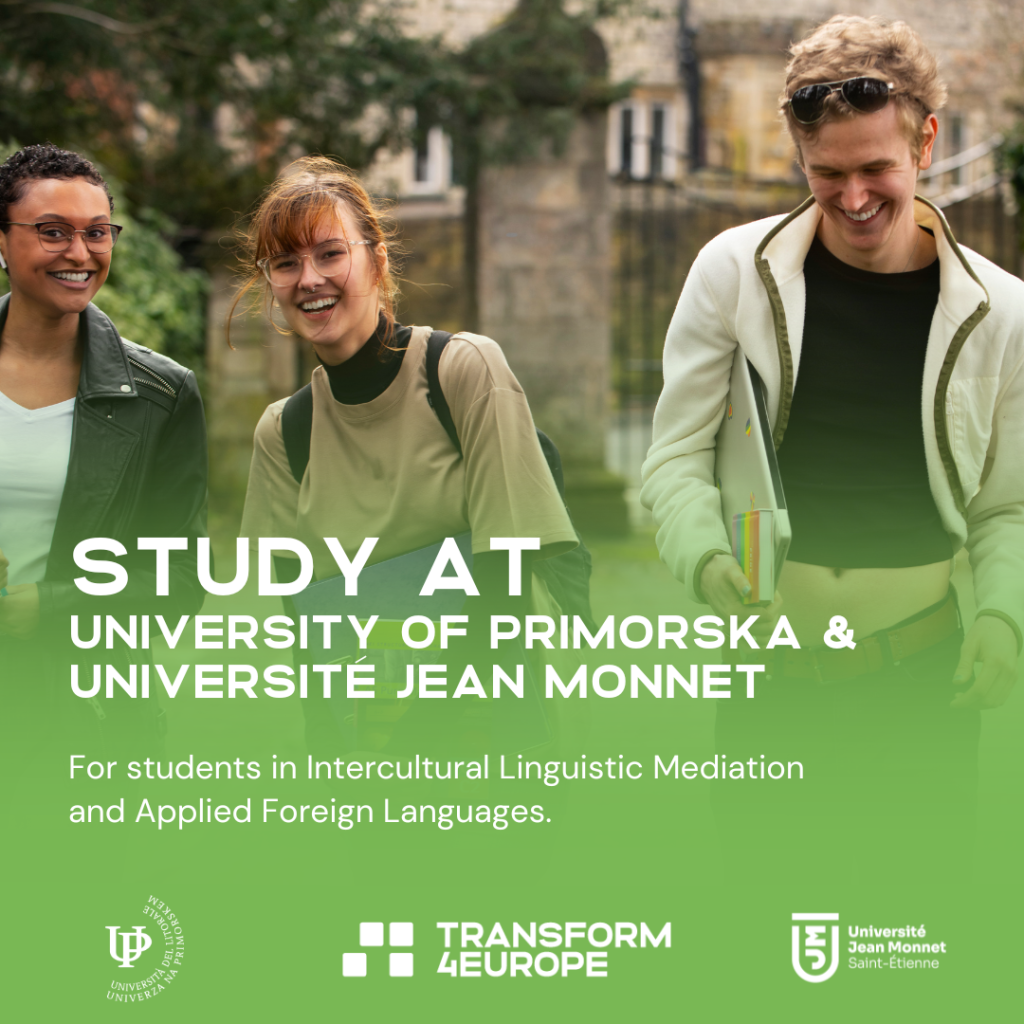
T4EU joint Master’s programmes are collaboratively designed by several partner universities and include mandatory mobility periods. Upon graduation, students receive a degree from each participating institution – two or more – reflecting a truly European education. These programmes combine academic excellence, interdisciplinary perspectives and international experience within a single study path.
With nine joint programmes already running and eight more under negotiation, T4EU is actively shaping innovative, future-oriented education. For students, this means stronger qualifications, international diplomas and a competitive advantage on the global job market.
Photo by Lukas Wilms
Microcredentials
Microcredentials are short, focused learning modules lasting less than one semester and offering academic credits. They can stand alone – such as summer schools or professional courses – or be integrated into degree programmes from undergraduate to doctoral level. By combining microcredentials across disciplines, learners can build personalised learning pathways and acquire skills that are immediately applicable in professional contexts.
With 150 microcredentials offered, T4EU empowers students to learn flexibly and strategically. For our learners, it means customised education, practical skills and greater control over their academic and professional development.
Photo by Katarzyna Suchańska
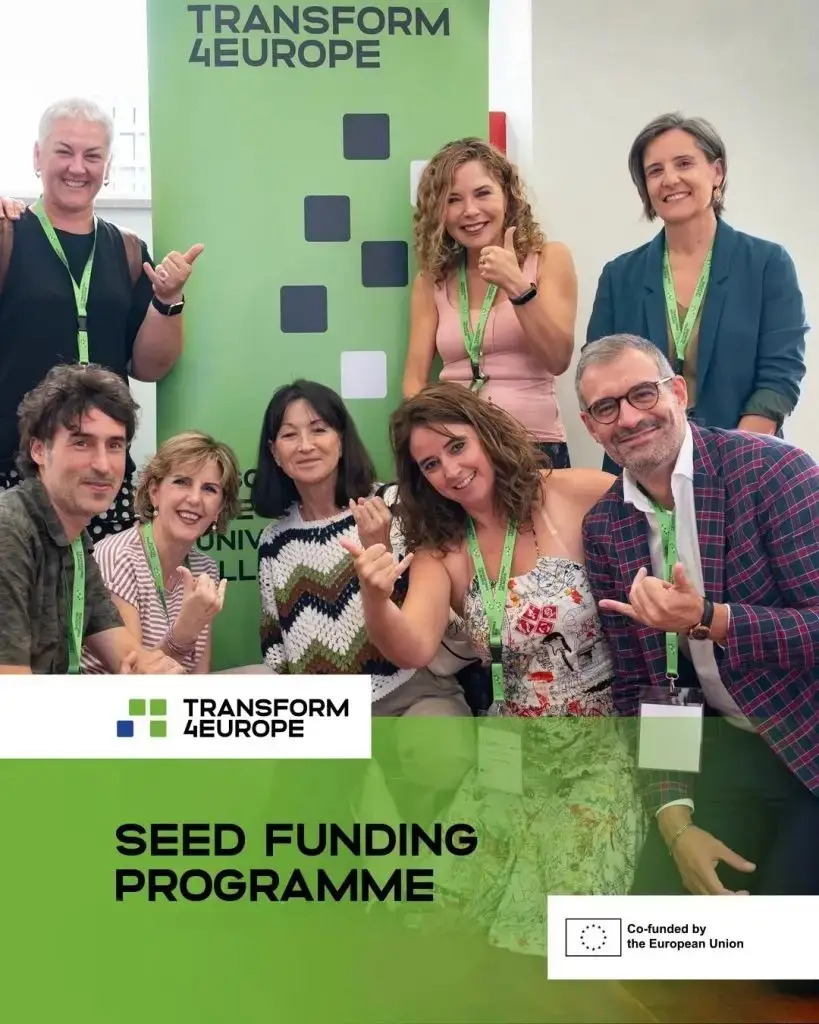
Seed Funding Programme
The T4EU Seed Funding Programme provides funding for projects that create new shared learning opportunities, such as joint courses, micro-credentials, or full degree programmes. The programme helps partner universities design and test innovative educational ideas, with the goal of making them part of long-term teaching and learning across the alliance.
700.000 EUR funding available
2 calls successfully completed
23 projects are currently being implemented
120 individuals from the T4EU academic community involved
2 more calls to be launched
Matchmaking event
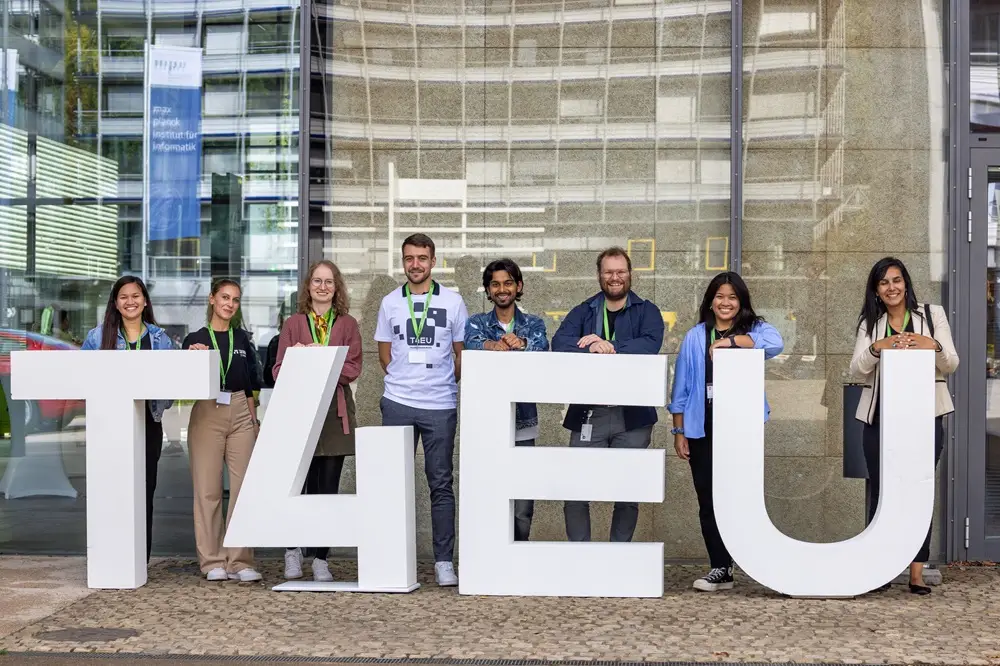
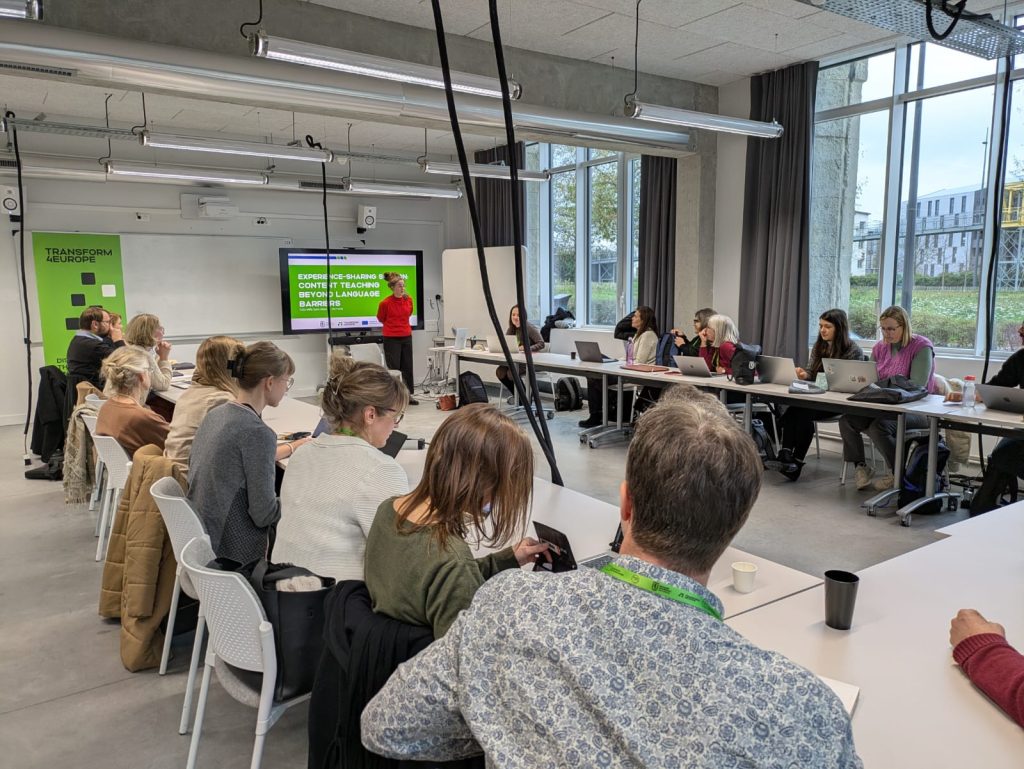
T4EU Matchmaking Events bring academic staff together in person to spark new collaborations in research and education. Each partner university hosts one event, with a total of ten events planned by 2027.
These meetings create space for exchange, networking and the development of joint projects and joint study programmes. For academic staff, it means new partnerships and projects – and for students, it translates into innovative joint programmes and enriched learning opportunities.