

Led by the University of Trieste, Italy
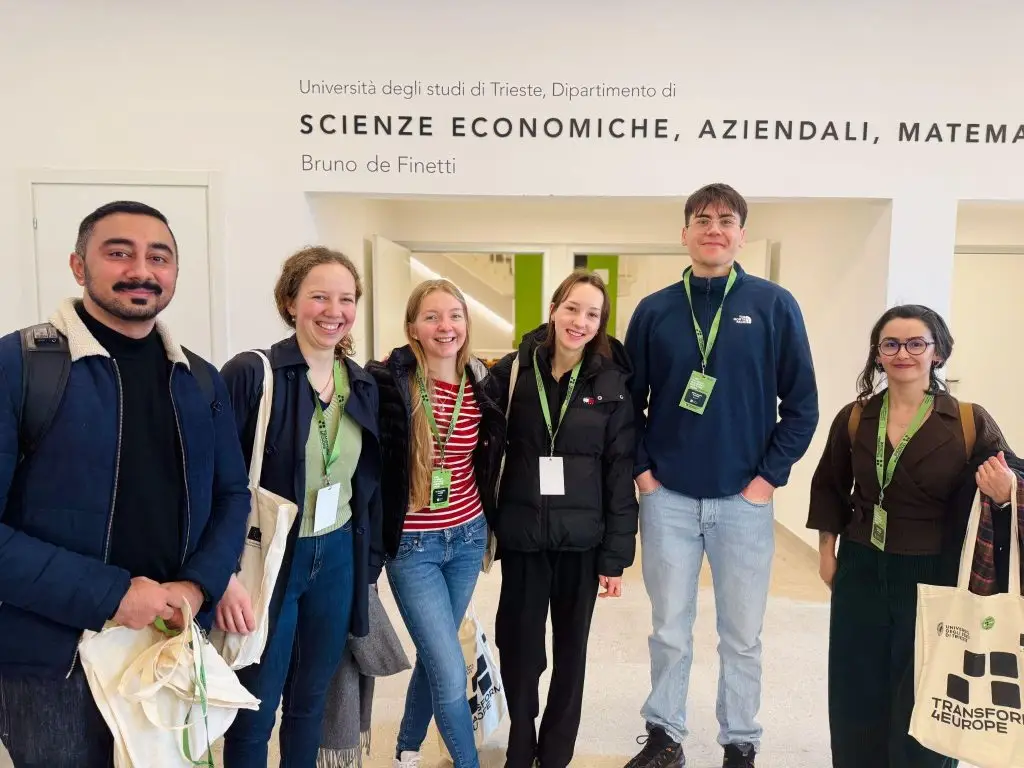
As part of the Common European Heritage Week, students, staff, and experts explored European heritage through the lens of borders, shared histories and cultural encounters. The programme of the event combined an online lecture, multidisciplinary conference panels and workshops in anthropology, history, architecture and literature, along with field visits in Trieste and Gorizia that translated theory into real-world heritage challenges.
By bringing together 50 participants from across the Alliance and beyond, the week created a space for dialogue between academia, students and local stakeholders. It strengthened shared academic practices and a common understanding of heritage as a living, cross-border process.
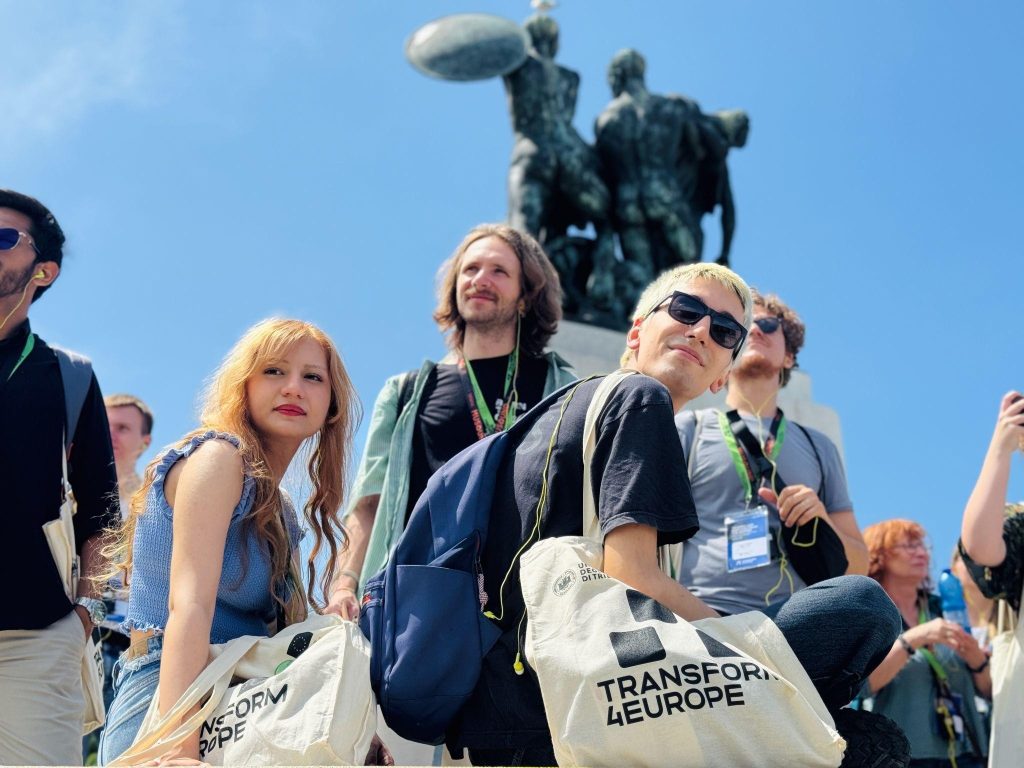
The first festival explored how tourism can simplify – or reshape – complex urban histories. Using Trieste as a living classroom, students examined the city as tourists, while critically reflecting on which narratives are highlighted and which remain invisible.
Through guided visits, workshops, group work, a film screening and discussions with scholars and stakeholders, participants engaged with the role of borders in shaping European identities. The festival supported T4EU’s vision of one university by turning joint learning into a common European experience.
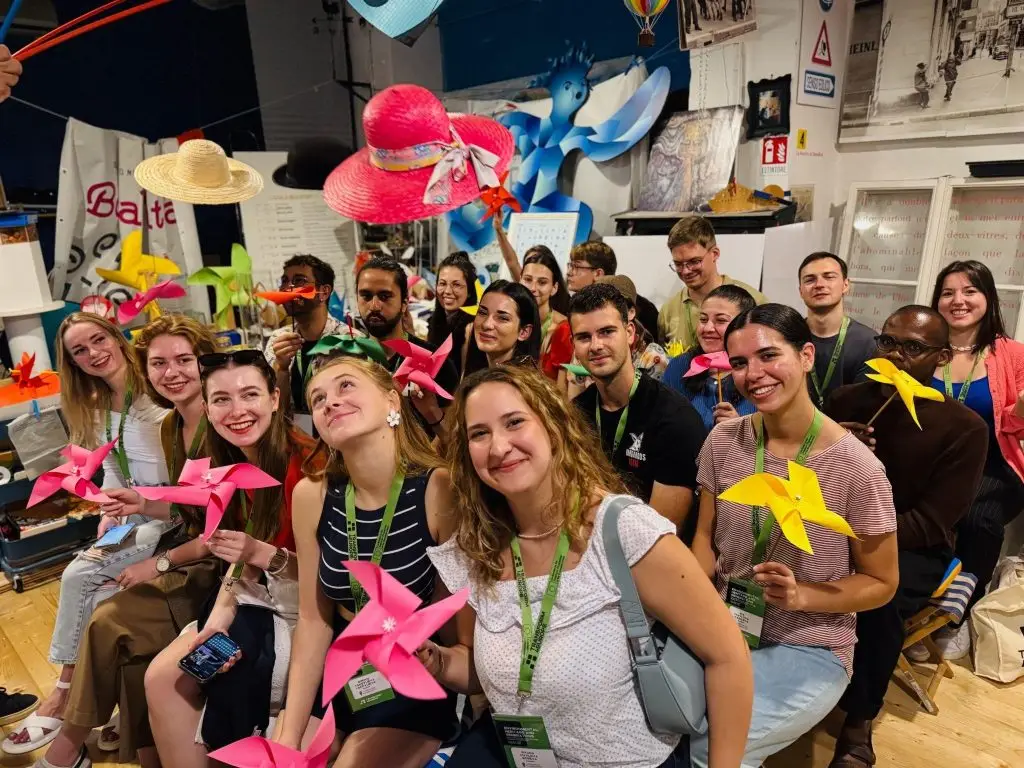
The first T4EU Sustainable Heritage Student Competition brought together students from across the Alliance to rethink how cultural heritage responds to climate change. The competition combined lectures, workshops, and collaborative group work, encouraging students to design cultural projects rooted in local contexts yet relevant across Europe. Citizen science, intergenerational memory, and sustainable strategies played a central role.
By connecting academic learning with GLAM+ stakeholders, the initiative bridged theory and practice. It offered students hands-on experience and reinforced a shared, alliance-wide approach to sustainable heritage.
The catalogue brings together all language-learning opportunities available across the Alliance in one accessible digital space. It allows students to easily explore and compare courses offered by partner universities, supporting mobility and multilingual learning. Closely linked to the T4EU Multilingual Campus Strategy, the catalogue reflects a broader ambition: fostering linguistic diversity, intercultural competence, and inclusive communication across borders.
Beyond the tool itself, the process created lasting collaboration among language teachers from all partner universities. By building shared resources and professional networks, the catalogue laid a common foundation for a truly European university campus.
It is a dynamic digital platform showcasing cultural and heritage initiatives developed across the Alliance. As a searchable database, it highlights collaborations between universities and GLAM+ sectors – including galleries, libraries, archives and museums – making visible community-driven projects, innovative themes and inter-sectoral partnerships.
The portfolio provides an overview of transformative cultural work within T4EU. For all actors in the Alliance, it serves both as a knowledge base and a source of inspiration for future cooperation and societal impact.